

Professional trajectories rarely follow a perfectly straight line. Sometimes, stepping away from the workforce is the smartest, most necessary decision you can make—whether you need to care for loved ones, recover from burnout, explore an entrepreneurial passion, or simply recalibrate your life’s direction. However, when the time eventually comes to re-enter the professional arena, it is entirely normal to feel a complex mix of anticipation and anxiety.
If you find yourself wondering, “Are my skills still relevant?” or “How do I explain this gap to a hiring manager?” you are in good company. Millions of high-performing professionals step away from their careers every year, only to return with renewed focus, sharper priorities, and a deeper sense of resilience.
Returning to work requires a deliberate strategy. This guide breaks down exactly how to navigate your comeback, offering practical, actionable advice to help you transition back into the workforce with confidence. Your journey back can be just as empowering as the reasons you took a pause in the first place.
Why Professionals Take a Career Break (And Why It Is Completely Normal)
Career breaks are no longer the taboo subject they once were in the corporate world. Modern employers increasingly recognize that personal obligations and aspirations do not always fit neatly around a standard nine-to-five schedule. People step away for a variety of valid, necessary reasons:
- Family and Caregiving Responsibilities: Many professionals pause their careers to raise children, support aging parents, or care for a loved one navigating a medical crisis. These demanding roles require undivided attention and immense organizational skills.
- Health and Well-being Recovery: Chronic stress and burnout are critical issues in the modern workplace. Taking time off to heal, prioritize mental health, or overcome a physical illness is an investment in your long-term professional sustainability.
- Pursuing Personal Growth and Education: A break often provides the perfect window to chase a lifelong goal, such as traveling extensively, learning a complex new skill, completing an advanced degree, or testing the waters of entrepreneurship.
- Relocation and Major Life Transitions: Moving to a new city or country involves massive logistical and cultural adjustments, frequently requiring a temporary pause in formal employment to ensure a smooth transition.
- Reevaluating Career Alignment: Sometimes, you simply need to step off the treadmill to figure out if you are running in the right direction. A deliberate pause allows you to assess whether your current trajectory actually aligns with your evolving values and ambitions.
The Hidden Professional Value of a Career Pause
It is crucial to reframe how you view your time away. A career break is not a void on your resume; it is a period of active growth. Time away from the office often yields surprising professional benefits:
- Enhanced Mental Clarity: Stepping away reduces chronic stress, allowing you to return to the workforce with a rejuvenated mindset and a fresh perspective on industry challenges.
- Sharpened Soft Skills: Managing a household, navigating a health crisis, or traveling independently builds profound adaptability, emotional intelligence, and crisis management skills—traits highly valued by top employers.
- Intentional Career Mapping: A pause forces you to clarify what truly matters, ensuring your next career move is driven by purpose rather than mere momentum.
Proven Strategies for Successfully Restarting Your Career After a Break
Jumping back into the job market requires more than just mass-applying to open roles. You need a structured approach to bridge the gap between your past experience and your future goals.
1. Reassess Your Professional Trajectory
Before you update your resume, take a step back and figure out exactly what you want your return to look like. Your priorities have likely shifted during your time away. Ask yourself if you want to return to your previous industry, pivot to a completely new field, or seek a role that offers greater flexibility.
If you feel stuck, utilizing psychometric aptitude testing or working with a career counselor can provide massive clarity. These tools objectively map your natural strengths against current market demands, ensuring your next step aligns perfectly with your capabilities and lifestyle needs.
2. Audit and Upgrade Your Skill Set
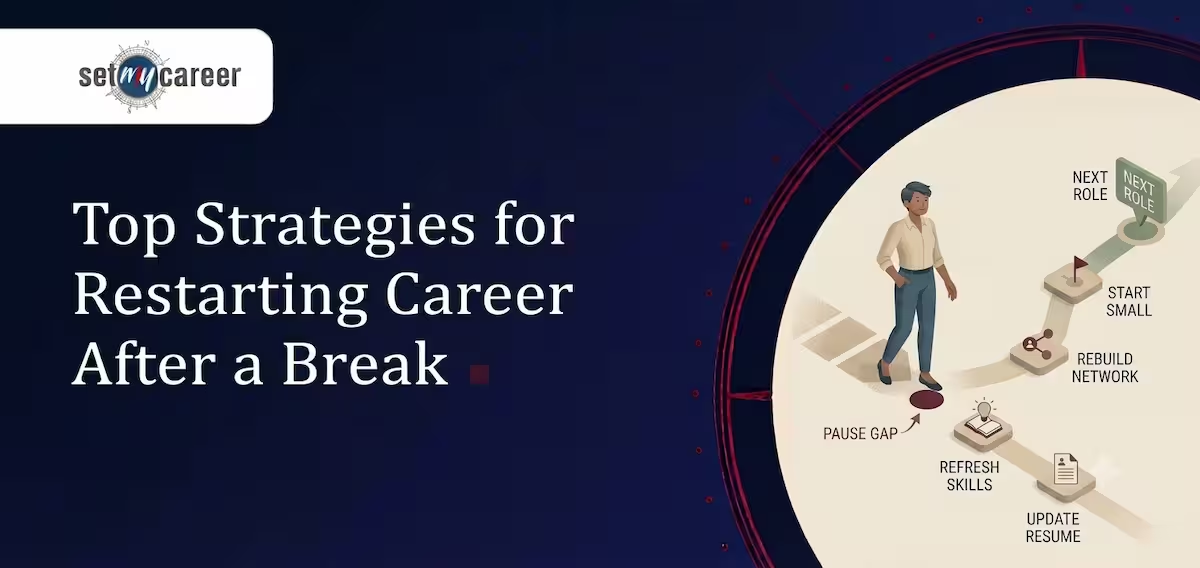
The fear of an outdated skill set is the number one hurdle for returning professionals. The most effective way to combat this is through targeted upskilling. First, review current job descriptions for your target role to identify specific software, methodologies, or certifications that have become standard during your absence.
Once you identify the gaps, leverage platforms like Coursera, edX, or industry-specific bootcamps. Even completing a few short, highly relevant courses demonstrates to employers that you are proactive, adaptable, and committed to continuous learning.
3. Leverage Your Existing (and Future) Network
When re-entering the workforce, your professional network is your greatest asset. Many returning professionals secure their next role through warm introductions rather than cold applications.
Start by discreetly reaching out to former colleagues, managers, and mentors. Let them know you are actively looking to return to the field. Attend local industry meetups, join relevant professional associations, and request informational interviews. Do not be afraid to share your career development plan; people are generally highly supportive of professionals making a comeback.
4. Optimize Your Resume and LinkedIn Profile
Your marketing materials need a strategic overhaul. A traditional chronological resume will highlight your employment gap immediately. Instead, transition to a hybrid or functional resume format that places your core competencies, major achievements, and transferable skills at the very top of the page.
On LinkedIn, utilize the official "Career Break" feature. This allows you to formally list your time away (e.g., Caregiving, Health and Wellness, Travel) in your experience section, removing the guesswork for recruiters. Ensure your headline is punchy, keyword-optimized, and focused on the value you are ready to deliver today.
5. Explore Returnships and Transitional Roles
If leaping straight into a demanding, full-time role feels overwhelming, look for stepping stones. Freelance consulting, contract work, or part-time roles are excellent ways to rebuild your industry confidence while adding fresh, relevant experience to your resume.
Additionally, actively search for "returnship" programs. Many top-tier companies now offer these structured, paid internships specifically designed for professionals re-entering the workforce after an extended absence. They provide built-in mentorship, upskilling, and a direct pathway to permanent employment.
6. Own Your Narrative in the Interview Room
You will inevitably be asked about your gap during interviews. The trick is to answer confidently, briefly, and unapologetically. Never treat your career break like a dark secret or a professional liability.
Structure your answer by stating the reason for the break clearly, highlighting any skills you gained or kept sharp during that time, and then immediately pivoting to why you are excited and ready for this specific role. Framing the break as a deliberate, successfully completed chapter of your life projects immense confidence.
Take the Next Step with Confidence
Restarting your career after a break requires courage, strategic planning, and a willingness to embrace a new chapter. By intentionally assessing your goals, upgrading your technical skills, and leaning into your professional network, you can successfully navigate this transition. Remember that the unique experiences you gained during your time away have shaped you into a more dynamic, capable professional.
If you need targeted guidance navigating the modern job market, optimizing an ATS-friendly resume, or mapping out a sustainable career transition, you do not have to do it alone. Connect with the experts at SetMyCareer for personalized career counselling tailored to working professionals, and take the next confident step toward reclaiming your professional future.