

Quick Summary
Recognizing clear signs of professional misalignment—such as persistent burnout, stagnant career growth, or a disconnect with your natural strengths—is a powerful first step toward reclaiming your career happiness. By strategically evaluating your readiness, mapping your highly valuable transferable skills, and researching market trends, you can transition into a rewarding new field with absolute confidence. To support you on this journey, SetMyCareer offers personalized career counseling and data-driven insights to help you build a safe, practical, and exciting roadmap for your next professional chapter.
Introduction
Waking up on a Monday morning feeling uninspired is a common experience, but when that Sunday dread becomes your daily reality, it is usually a sign of something deeper. It is completely natural to question whether your current job still aligns with who you are. Deciding to make a career path change in 2026 can feel overwhelming, especially when you have already invested years of hard work into your current field. However, recognizing that you need a shift is a powerful first step toward finding a fulfilling professional life.
At SetMyCareer, we believe your professional journey should bring you both growth and genuine satisfaction. You do not have to navigate this transition alone or rely on guesswork. This guide walks you through five clear, practical signs that indicate it is time to pivot. By understanding these signals, you can evaluate your current situation objectively and gain the clarity you need to make your next move with confidence.
Transitioning to a new field is not about throwing away your past experience; it is about redirecting your valuable skills toward a path that truly excites you. Let us explore these five signs together so you can start planning a rewarding transition that aligns with your unique strengths, interests, and long-term goals.
5 Clear Signs You Need a Career Path Change
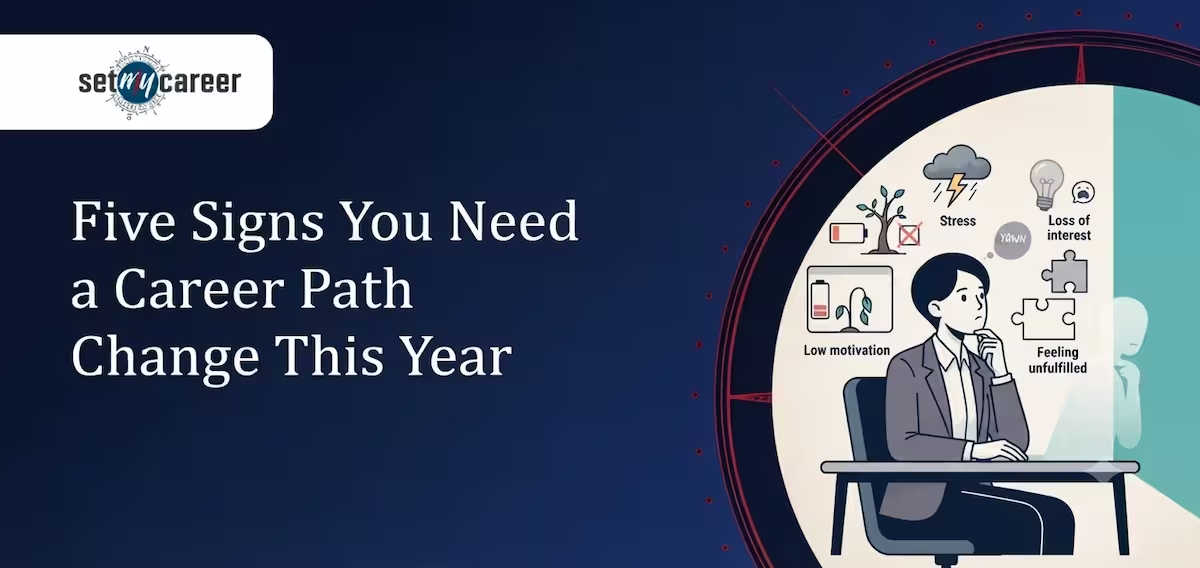
Recognizing the signs you need career path change is the foundation of professional growth. Often, the urge to transition does not arrive as a sudden realization, but rather as a slow accumulation of subtle indicators that your current profession no longer serves your personal or professional goals.
1. Chronic Job Dissatisfaction That Persists Over Time
While every role has its challenging periods, continuous job dissatisfaction indicates a deeper issue than simple day-to-day work stress. When professional tasks consistently feel uninspiring, and the overall trajectory of the industry no longer excites you, it is a key indicator that your core values and interests have evolved away from your current field.
2. Experiencing Severe Burnout Symptoms
Chronic exhaustion that remains unresolved even after taking weekends or vacations off is a major warning sign. These physical and mental burnout symptoms point to a severe depletion of energy, often caused by performing tasks that run counter to your natural strengths and personality traits. Distinguishing between normal work stress and deep-seated career fatigue is necessary before taking action.
| Indicator | Routine Workplace Stress | Chronic Burnout Symptoms |
|---|---|---|
| Recovery Time | Energy levels restore after a standard weekend or short break. | Persistent exhaustion remains regardless of rest periods or leave. |
| Emotional State | Temporary frustration linked to specific tasks or deadlines. | Deep cynicism, detachment, and emotional numbness toward all duties. |
| Performance Output | Occasional drops in output followed by periods of high productivity. | Consistent decline in work quality and difficulty concentrating. |
3. Stagnant Career Progression and Limited Learning
Professional satisfaction relies heavily on continuous intellectual development and upward mobility. When career progression stalls, and there are no opportunities to learn new skills or take on meaningful responsibilities, motivation declines. Remaining in a stagnant role can lead to skill obsolescence in an evolving market.
- Lack of Upward Mobility: The organizational structure offers no realistic path to promotion or leadership roles.
- Monotonous Responsibilities: Daily tasks require repetitive actions that offer no intellectual challenge or cognitive growth.
- Underutilized Talents: Natural strengths, advanced degrees, or specialized skills remain completely unused in daily workflows.
4. A Toxic Workplace Environment vs. True Career Misalignment
It is helpful to analyze whether your professional distress stems from a toxic workplace environment or an underlying incompatibility with the industry itself. A poor culture can sometimes be resolved by changing companies, whereas fundamental career mismatch requires a complete shift in your professional direction.
| Diagnostic Factor | Workplace Environment Issue | Core Career Misalignment |
|---|---|---|
| Primary Cause | Difficult management, lack of communication, or poor organizational culture. | No interest in the industry's products, services, trends, or target audience. |
| Target Solution | Securing a lateral role in a healthier organization within the same sector. | Planning a comprehensive career path change to transition into a new field. |
| Underlying Feeling | "I enjoy the work, but I do not respect the management or culture." | "I appreciate the company, but I find the daily tasks fundamentally unappealing." |
5. Your Strengths and Aptitudes No Longer Match Your Role
Individuals naturally evolve over time, meaning the career goals set in your early twenties may no longer match your mature strengths. If your current job relies on skills that feel unnatural or draining, while your true talents lie elsewhere, seeking professional alignment is a logical step. Professional career counseling helps identify these emerging aptitudes to guide your next steps.
When to Make a Career Path Change
A career path change is ideal when persistent job dissatisfaction affects your well-being, growth opportunities disappear, and your daily tasks no longer align with your natural strengths. Making this transition requires financial stability, clear professional direction, and a structured plan to acquire necessary industry skills.
Assessing Personal and Financial Readiness
Moving into a new field requires preparation, making it essential to analyze your readiness before resigning from your current job. A successful transition relies on strategic timing and a clear understanding of the resources needed to support your journey.
- Financial Safety Net: Establish a dedicated transition fund covering three to six months of essential living expenses.
- Time Allocation: Ensure you have the weekly capacity to dedicate five to ten hours to skill development and networking.
- Support System: Engage with family members, mentors, or career advisors to gain encouragement and objective feedback.
Evaluating External Market Trends and Skill Viability
Before committing to a new direction, analyze market demand to ensure long-term stability and career progression. Researching industry growth patterns prevents you from moving into another stagnating field.
| Target Industry | Growth Trajectory | Entry Requirements | Skill Transferability |
|---|---|---|---|
| Digital Technology & AI | Exponentially expanding across all sectors. | Technical certifications, bootcamps, and portfolio work. | Moderate; analytical and problem-solving skills transfer well. |
| Healthcare & Wellness | Consistent, long-term demand driven by demographic changes. | Formal degrees, licensing, or specialized diplomas. | Low to Moderate; high reliance on empathy and communication. |
| Renewable Energy & ESG | Rapidly growing due to global policy shifts. | Sustainability credentials and industry-specific training. | High; project management and operations skills are highly valued. |
How to Change Your Career Path Step-by-Step
To change your career path, start with an objective self-assessment, identify transferable skills, and conduct market research. Next, build targeted skills through certified courses, optimize your resume for the new industry, and actively network with professionals currently working in your desired field.
1. Complete a Comprehensive Aptitude and Skills Assessment
Self-discovery is the first step in planning a career transition. Before targeting specific job boards, utilize scientific psychometric tools and professional career assessments. These assessments help evaluate your core personality traits, natural aptitudes, and vocational interests to ensure your next career choice aligns with who you are.
2. Map and Rebrand Your Transferable Skills
A career pivot does not mean starting from scratch. Most professionals possess valuable skills that are highly valued in other industries. Recognizing these assets allows you to present yourself as an experienced candidate rather than an entry-level applicant.
| Core Transferable Skill | Example: Current Field (Education) | Example: Target Field (Corporate Training) |
|---|---|---|
| Instructional Design | Developing lesson plans and academic curricula. | Creating employee onboarding modules and training tracks. |
| Stakeholder Communication | Managing parent-teacher conferences and administration. | Presenting program updates and reports to corporate leadership. |
| Data Interpretation | Analyzing student test scores to guide teaching methods. | Measuring training program efficacy and business impact metrics. |
3. Acquire Necessary Credentials and Practical Training
Once you identify your skill gaps, build a structured plan to address them. You do not always need a new four-year degree to make a change. Industry certifications, intensive bootcamps, or part-time courses can provide the credible, up-to-date knowledge needed to enter your target field.
4. Execute a Strategic Networking Campaign
Many career opportunities are found through personal connections rather than public job postings. Building professional relationships in your target field is one of the most effective ways to learn about new roles, secure referrals, and gain valuable industry insights.
- Conduct Informational Interviews: Reach out to professionals in your target field for short, focused conversations about their daily routines and career paths.
- Engage on Professional Platforms: Share relevant industry insights, join discussion groups, and connect with recruiters specializing in your target industry.
- Attend Local Industry Meetups: Participate in local seminars, conferences, or webinars to build connections with active professionals and hiring managers.
Taking the First Step Toward Your New Career Path
Recognizing the signs that you need a change is a powerful moment of self-awareness. While the thought of a career path change can feel overwhelming, staying in a role that no longer aligns with your goals, values, or well-being is often more exhausting. Wanting more fulfillment, better balance, or new challenges is a natural sign of professional growth, and you deserve a career that brings out your best.
A successful transition does not have to happen overnight. By identifying your transferable skills, exploring your genuine interests, and building a strategic plan, you can transition into a role that excites you. Taking small, deliberate steps today will help you build momentum and reduce the anxiety that often comes with making a major life decision.
If you are ready to explore your options but are not sure where to start, you do not have to figure it out alone. At SetMyCareer, we help you navigate your career path change with confidence. Our experienced counselors provide personalized guidance and data-driven insights to help you map out your next move safely and effectively. Book a consultation with us today, and let us build a clear, practical roadmap to your next professional chapter together.