

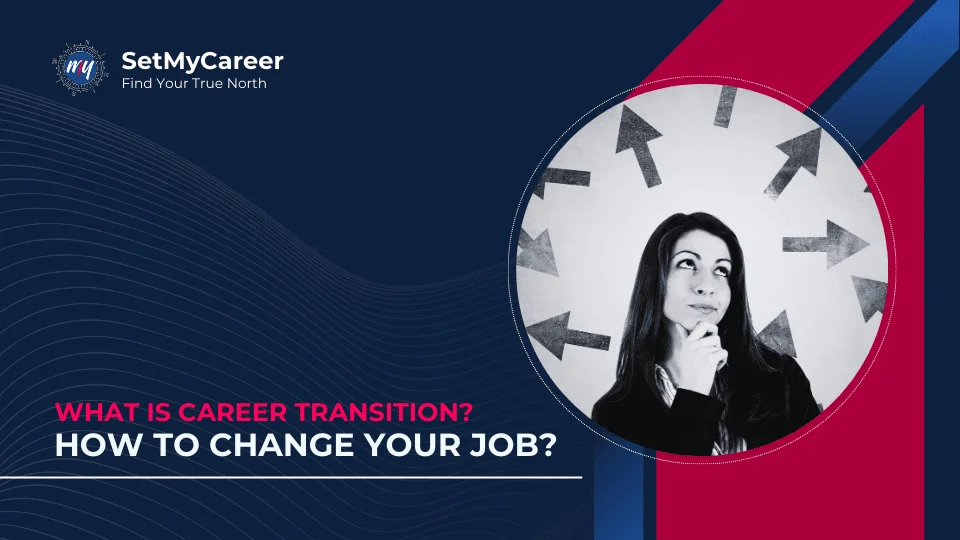
Many professionals eventually hit a wall in their working lives—a lingering sense of dissatisfaction, a plateau in growth, or a realization that their current trajectory no longer aligns with their ambitions. While some find renewed purpose through vertical career development or internal promotions, others recognize that a much larger pivot is necessary. When routine changes are no longer enough to reignite your professional drive, you arrive at a critical crossroad: the career transition.
Navigating a complete professional pivot can feel overwhelming, but it is a highly strategic move that thousands of people successfully execute every year. Whether you are actively seeking better financial opportunities, looking to escape a toxic industry, or simply chasing a deeper sense of fulfillment, changing paths requires intentional planning and execution.
Below, we will break down exactly what a career transition entails, why so many professionals are choosing to make the leap, and the exact steps you can take to seamlessly navigate your own journey toward a more rewarding future.
Understanding Career Transition: What It Is and Why It Matters
At its core, a career transition—often referred to as a career change or industry switch—is the deliberate process of shifting from one profession, sector, or discipline to an entirely new one. Unlike a standard job hunt where you look for a similar role at a different company, a career transition involves stepping into a new arena that better aligns with your evolved goals, interests, and competencies.
This process is highly personal. You might be a mid-career professional seeking a more lucrative industry, someone restarting their career after a prolonged absence, or an individual looking to turn a lifelong passion into a sustainable livelihood. Regardless of the motivation, successful transitions provide massive opportunities for intellectual growth, personal self-discovery, and a renewed sense of professional vitality.
To better understand how this process works in the real world, let’s look at a practical breakdown of the steps required to successfully change careers, illustrated through the journey of a creative professional.
Real-World Example: Transitioning from Graphic Design to UX Design
Consider Swathi, a highly talented Graphic Designer with a strong background in visual communication. After spending years crafting stunning marketing materials and brand assets, she noticed a shift in the market and a growing personal interest in how users interact with digital products. She decided to pivot into User Experience (UX) Design—a field that requires a different, more analytical skill set.
Here is the exact methodology she used to successfully navigate her career transition, which you can apply to your own professional journey:
1. Comprehensive Self-Assessment
Before making any sudden moves, Swathi evaluated her current role. She audited the areas where she excelled—such as visual hierarchy, color theory, and proficiency with design software. Just as importantly, she noted the aspects of her job that left her dissatisfied and the elements she wanted in her next role.
To gain deeper, objective insights into her personality and inherent strengths, she utilized a psychometric career test. This step is crucial for anyone feeling lost, as these assessments provide data-driven clarity regarding hidden abilities, work environment preferences, and natural behavioral tendencies.
2. In-Depth Market Research
Armed with a better understanding of her natural aptitudes, she began exploring alternative career paths that bridged her existing skills with her new interests. She researched roles like UX Designer, UI/Web Designer, and Art Director. Instead of just looking at job titles, she dug into the day-to-day responsibilities, salary expectations, required technical proficiencies, and long-term industry growth projections for each option.
This research allowed her to narrow her focus down to the single most viable path: User Experience Design.
3. Strategic Skill Gap Analysis
A successful transition requires knowing the exact delta between the skills you have and the skills the market demands. Swathi compared her current graphic design capabilities against standard UX Designer job descriptions. While she had the visual design aspect mastered, she quickly identified critical gaps: she needed to learn user research methodologies, wireframing, usability testing, and interaction design.
Recognizing the gravity of a career switch, she also booked a session with a professional career counselor to validate her findings and ensure she wasn't overlooking any blind spots.
4. Targeted Education and Training
With a clear roadmap in hand, Swathi began acquiring the missing competencies. She didn't necessarily need to return to a four-year university; instead, she enrolled in specialized online bootcamps, attended industry workshops, and joined local UX study groups. This targeted education allowed her to quickly grasp core UX principles and build a portfolio of relevant case studies.
5. Rebranding the Resume and Online Presence
Your past experience is an asset, not a liability—if you frame it correctly. Swathi completely overhauled her resume, translating her graphic design experience into the language of UX. She highlighted her background in visual problem-solving, empathy-driven creativity, and client communication. Simultaneously, she optimized her LinkedIn profile to reflect her new professional identity, signaling to recruiters that she was a dedicated design professional making a calculated pivot.
6. Specialized Interview Preparation
Hiring managers will inevitably ask career changers why they are pivoting. Swathi anticipated this and proactively crafted a compelling narrative. She rehearsed answers that articulated how her foundational background in graphic design made her a stronger, more holistic UX Designer. By investing time in rigorous interview preparation, she walked into meetings with confidence and clarity.
Ultimately, Swathi’s transition was a masterclass in strategic planning. By moving methodically from assessment to execution, she transformed a daunting career change into a highly successful professional reality.
Top 10 Reasons Professionals Choose to Change Careers
Career transitions rarely happen on a whim. They are usually the result of shifting personal priorities or changes in the broader economic landscape. Here are the most common catalysts that drive professionals to seek an entirely new path:
- Pursuit of Passion and Purpose: A strong desire to engage in daily work that deeply aligns with personal values, authentic interests, and long-term life goals.
- Need for Accelerated Growth: Feeling stagnant in a role that no longer offers meaningful challenges or opportunities for intellectual and professional development.
- Underutilized Potential: The frustrating realization that your current role only taps into a fraction of your actual capabilities and strengths.
- Chronic Burnout: Reaching a breaking point due to unsustainable stress levels, mandatory overtime, or a complete collapse of healthy work-life balance.
- Desire for Meaningful Impact: Wanting a career that feels fulfilling and contributes positively to society, rather than just driving corporate profits.
- Industry Evolution and Automation: Proactively pivoting out of an industry where technological advancements or artificial intelligence threaten to make specific legacy skills obsolete.
- Toxic Work Environments: Escaping pervasive negativity, poor leadership, or unhealthy team dynamics that consistently drain your energy and affect your mental health.
- Economic Instability: Leaving a volatile industry in favor of a sector that offers greater long-term job security and recession resistance.
- Financial Advancement: Making a calculated move into a more lucrative field to secure a higher baseline salary, better benefits, or stronger retirement matching.
- Geographic Relocation: Adjusting career paths out of necessity after moving to a new city or region where your previous industry has a minimal footprint.
Conclusion: Taking the Next Step Toward Career Fulfillment
Making a successful career transition requires a blend of honest self-assessment, diligent market research, and the willingness to proactively adapt to new challenges. It is rarely an overnight process, but the long-term payoff of waking up energized by your work is immeasurable.
Whether you are feeling the early signs of burnout or have already decided it is time for a change, start by auditing your current skills and defining what you truly want out of your professional life. Seek guidance from career coaches or mentors if you need objective clarity, and systematically bridge the gaps in your knowledge. Embrace the journey with resilience—taking the leap into a new career takes courage, but staying in an unfulfilling role is a far greater risk to your long-term potential.