





Quick Summary
Navigating a career change or choosing an academic path can feel overwhelming, but conducting an informational interview is a powerful, low-pressure way to gain real-world insights directly from industry professionals. By asking targeted questions about daily routines and future trends, you can easily bypass generic job descriptions to discover if a career truly aligns with your unique strengths and goals. To build lasting connections, simply reach out for a brief 15-minute chat, listen actively, and send a personalized thank-you note within 24 hours. If you want to make the most of these networking opportunities, SetMyCareer is here to support you with expert advice and a personalized roadmap for your journey.
Introduction
Choosing a new career path or planning a professional transition can often feel overwhelming. While job descriptions and company websites offer a basic overview, they rarely paint a complete picture of what a role is actually like day-to-day. That is why conducting an informational interview is one of the most valuable steps you can take. It allows you to step behind the scenes, connect with industry insiders, and gather honest, real-world feedback to help you make your next move with confidence.
However, simply landing the meeting is only the first step. To walk away with truly useful insights, you must know how to guide the conversation. Asking generic questions usually leads to generic answers, which will not help you make a clear decision. When you ask purposeful, targeted questions, you unlock valuable details about actual daily tasks, industry challenges, and the key skills that employers genuinely look for.
In this guide, you will discover the exact questions to ask during an informational interview to gain practical, authentic career insights. Whether you are a student exploring your options, a recent graduate, or a working professional planning a smooth transition in 2026, these actionable strategies will help you conduct meaningful conversations and design your career path with clarity.
What is an Informational Interview and Why is It Valuable?
An informational interview is an informal, structured conversation with a working professional to gather first-hand knowledge about a specific career path, industry, or organization. This dialogue serves as a low-pressure research tool, helping candidates validate career decisions and expand their professional network without asking for a job.
When planning a major life transition, such as choosing high school academic streams (Science, Commerce, or Humanities) or shifting from one corporate sector to another, individuals often rely on hearsay or promotional company brochures. These sources rarely capture the genuine day-to-day realities of a profession. Engaging in systematic informational interviewing allows career seekers to look past polished job descriptions and understand the authentic environment of their target field.
Through this process, candidates can perform a practical skill-gap analysis. By consulting with established industry professionals, one can compare their current qualifications against the actual demands of the job market. This proactive approach ensures that any future investments in training, certifications, or degrees align directly with proven career opportunities.
| Feature | Standard Job Interview | Informational Interview |
|---|---|---|
| Primary Objective | To evaluate a candidate for a specific job vacancy and secure employment. | To conduct career exploration, gather market intelligence, and build connections. |
| Initiator | The employer, recruiter, or hiring manager. | The student, job seeker, or career changer. |
| Core Atmosphere | Evaluative, formal, and structured around company requirements. | Curious, collaborative, and focused on professional development. |
| Discussion Flow | The interviewer asks questions; the candidate provides structured answers. | The candidate asks targeted questions; the professional shares experiences. |
By shifting the focus from immediate hiring to collaborative learning, candidates lower the stakes of the interaction. This low-pressure environment often encourages professionals to speak more openly about their challenges, salary expectations, and organizational culture. The core benefits of incorporating these conversations into a career strategy include:
- Risk Reduction: Validates whether an academic stream or career pivot matches one's natural aptitudes before dedicating time and tuition fees to specialized programs.
- Access to Hidden Opportunities: Places a candidate on the radar of decision-makers before a formal job opening is publicly advertised.
- Refining Personal Value Propositions: Helps candidates learn the specific industry terminology needed to make resume applications stand out to hiring managers.
How to Request an Informational Interview
Requesting an informational interview involves identifying relevant industry professionals, defining clear objectives, and drafting a brief outreach message. The request should emphasize a desire to learn from their professional experience, respect their schedule, and clearly state that the meeting is not a request for employment.
The outreach process requires a balance of professionalism and humility. When candidates construct their messages, they must focus on the recipient's expertise rather than their own immediate job search. This approach reduces pressure on the professional, making them far more likely to agree to a short meeting.
Identifying the Right Industry Professionals for Networking Outreach
Finding the right people to contact is the foundation of effective networking outreach. Rather than messaging individuals at random, career seekers should focus on professionals who are two to five years ahead of them, as well as senior leaders who have a broad view of the industry. Excellent resources for locating these contacts include university alumni databases, LinkedIn search filters, and local professional associations.
- Alumni Networks: Graduates of the same school or university are highly motivated to assist current students and fellow alumni in their career journeys.
- Specialized Industry Groups: Professional associations frequently host local chapters, directories, and events where practitioners gather.
- Targeted Company Searches: Looking up specific organizational departments allows candidates to find professionals who perform the exact roles they hope to secure.
Drafting an Effective Informational Interview Email Template
A successful outreach message is concise, personalized, and easy to read. It must explain how the sender found the recipient, state the purpose of the inquiry, and propose a short, highly manageable time commitment. Below is a practical informational interview email template designed for clear, professional outreach.
Subject: Career Exploration Inquiry – [Your Name]
Dear [Professional's Name],
I hope this message finds you well. I am currently conducting research into [Target Field] as part of my career transition planning, and I came across your profile on LinkedIn. Your career path at [Company Name] is highly inspiring.
I would greatly appreciate the opportunity to learn from your experience. Would you be open to a brief, 15-minute conversation via phone or Zoom sometime next week to share your perspectives on the field?
Please note that I am seeking career guidance and advice; I am not asking for employment. I understand your schedule is busy and would be glad to coordinate at a time that is most convenient for you.
Thank you for your time and consideration.
Sincerely,
[Your Name]
[Your Contact Information]
Adjusting the outreach channel based on the professional's industry can improve response rates. The table below outlines typical success rates and best practices across common outreach channels:
| Outreach Channel | Average Response Rate | Best Suited For |
|---|---|---|
| LinkedIn InMail | 20% - 35% | Active mid-level managers, tech professionals, and creative agency staff. |
| Alumni Email Directories | 40% - 60% | Corporate executives, academic researchers, and established public sector staff. |
| Mutual Referrals | 70% - 85% | Highly competitive industries, such as investment banking or specialized medicine. |
Essential Questions to Ask in an Informational Interview
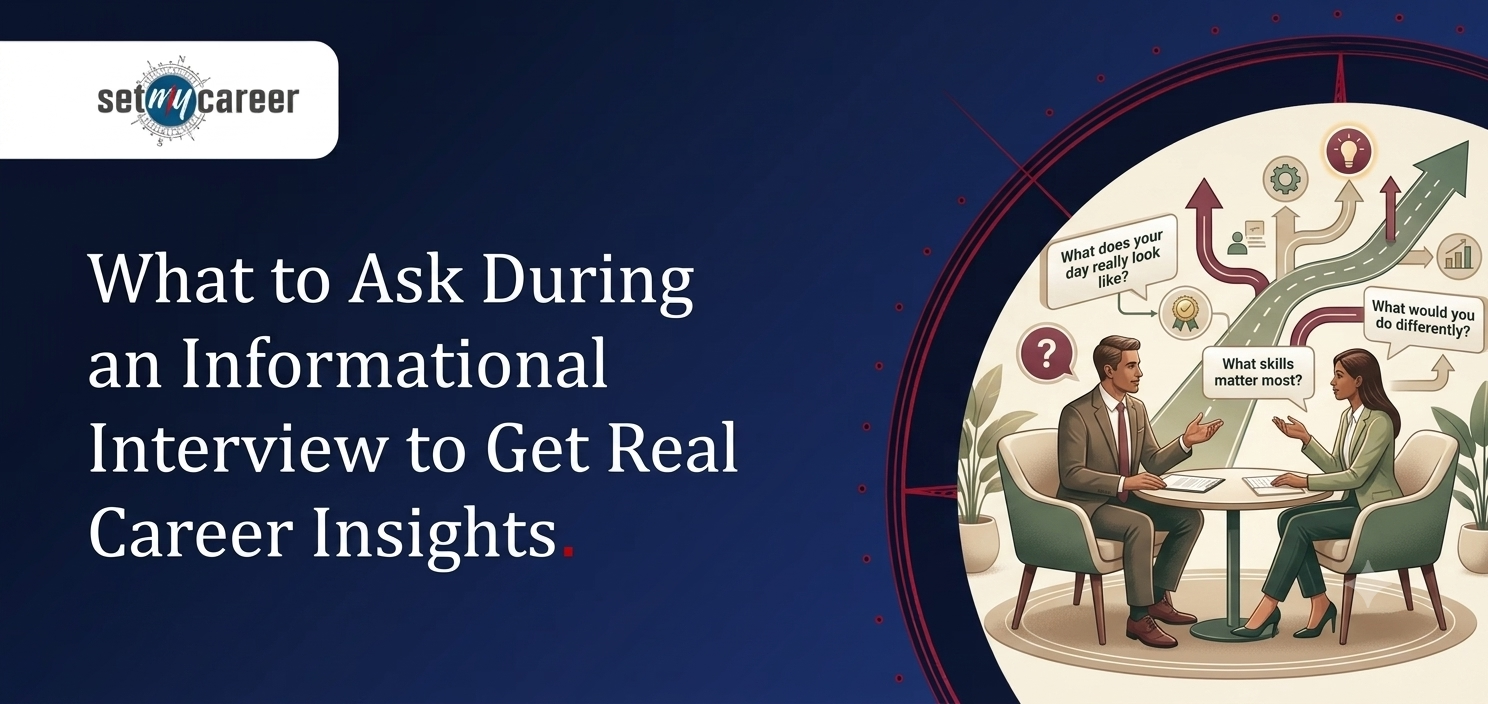
Selecting targeted questions to ask in an informational interview is key to uncovering authentic, practical career insights. Candidates should prioritize questions that reveal the daily responsibilities of the role, industry trajectories, entry requirements, and honest challenges that standard job descriptions typically omit.
Preparation is key to a successful meeting. Having a structured list of questions to ask informational interview partners keeps the conversation on track and demonstrates respect for the professional's time. The questions should progress from daily operations to broader industry trends and personal career advice.
Questions About the Daily Reality of the Role
Understanding what a job actually entails on an hourly basis helps candidates determine if the work matches their natural working style. This part of the conversation focuses on routine tasks, work-life balance, and typical challenges.
| Focus Area | Recommended Question | Information Gained |
|---|---|---|
| Routine Tasks | "Can you walk me through what a typical Monday looks like in your position?" | Reveals the actual balance between independent work, team meetings, and administrative tasks. |
| Job Obstacles | "What is the most challenging or frustrating aspect of this role on a regular basis?" | Provides a realistic view of common frustrations, pressure levels, and systemic challenges. |
| Environment | "How much of your work relies on independent focus versus collaborating with other departments?" | Helps candidates assess if the role matches their preferred level of social interaction. |
Questions About Career Paths and Industry Trends
Industries change quickly due to new technologies, economic shifts, and updated regulations. Asking trend-focused questions helps candidates understand the long-term outlook of their chosen field.
- "How do you see this industry evolving over the next three to five years, particularly with technological advancements?" (Helps candidates prepare for emerging technical requirements).
- "Are there specific certifications, tools, or coding languages that are becoming standard requirements for entry-level roles?" (Provides clear direction for skills development).
- "What are the typical career progression steps for someone starting in an entry-level position in this department?" (Clarifies promotional paths and realistic timelines).
Questions Seeking Career Exploration and Professional Advice
This final category focuses on highly personalized advice. These questions allow the professional to reflect on their own journey, offering valuable guidance for those making important academic or career decisions.
- "If you were starting your career journey over today, what would you do differently to prepare for this field?" (Highlights common mistakes and faster paths to success).
- "Given my background in [Your Field/Major], what do you see as my biggest skill gap, and how might I address it?" (Provides direct feedback on a candidate's readiness for the market).
- "Are there any professional groups, books, or online communities you recommend I join to stay informed?" (Connects the candidate to valuable industry networks).
Best Practices for Conducting the Interview and Post-Interview Follow-Up
Conducting a successful informational interview requires structured preparation, strict adherence to the agreed timeframe, and active listening. Afterward, sending a personalized thank-you email and systematically maintaining contact transforms a single brief conversation into an enduring, highly valuable and mutually beneficial professional relationship.
The meeting itself should be handled with the same level of preparation as a formal job interview. By arriving prepared, staying focused on the other person, and respecting their schedule, a candidate builds strong professional trust.
- Respect the Timeframe: Keep a close eye on the clock. At the 15-minute mark, acknowledge the time and offer to end the conversation unless the professional insists on continuing.
- Practice Active Listening: Take brief notes on key details, but keep your primary focus on the speaker rather than reading from a script of questions.
- Ask for Further Connections: Conclude by asking if they can suggest one or two other colleagues who might offer a different perspective on the industry.
The value of an informational interview often comes from the follow-up. Maintaining professional contact over time can turn a single conversation into ongoing mentorship. The table below outlines a practical timeline for post-interview communication:
| Timeframe | Action Item | Key Objective |
|---|---|---|
| Within 24 Hours | Send a personalized thank-you email. | Express appreciation and highlight a specific piece of advice that was helpful. |
| Within 1 Month | Connect on professional networks (LinkedIn). | Establish a permanent connection in your professional network. |
| Within 3 Months | Send a brief update on your progress. | Share how you applied their advice (e.g., reading a recommended book or starting a course). |
Turn Conversations Into Career Opportunities
An informational interview is one of the most effective tools you have to explore potential career paths. It moves you past generic job descriptions and gives you a realistic look at what a role actually entails. The insights you gather from these conversations will help you make career decisions based on real-world experiences rather than guesswork.
Reaching out to industry professionals can feel daunting at first, but most people are genuinely glad to share their journey and offer guidance. Treat each conversation as a building block for your professional network and a step closer to finding a path that aligns with your strengths and interests.
If you want to get the most out of these discussions or feel unsure about which direction to pursue next, you do not have to navigate this journey alone. At SetMyCareer, our expert counsellors are ready to help you identify your goals, prepare for your next informational interview, and build a personalized roadmap. Reach out to us today and take the next confident step toward your future.