






Committing to a specific career path based entirely on a job description or a college syllabus is a massive leap of faith. The daily reality of a profession often looks drastically different from how it is portrayed in textbooks or media. This is where job shadowing proves its immense value. Acting as a behind-the-scenes pass into the professional world, this experience allows you to observe industry veterans in their natural element before you make long-term educational or career commitments.
Whether you are a college student mapping out your future, a recent graduate navigating the job market, or an experienced professional considering a major industry pivot, job shadowing provides an unfiltered look at what a role truly demands. By observing the daily rhythms, challenges, and triumphs of a specific job, you gain the clarity necessary to make confident career decisions.
What Exactly is Job Shadowing?
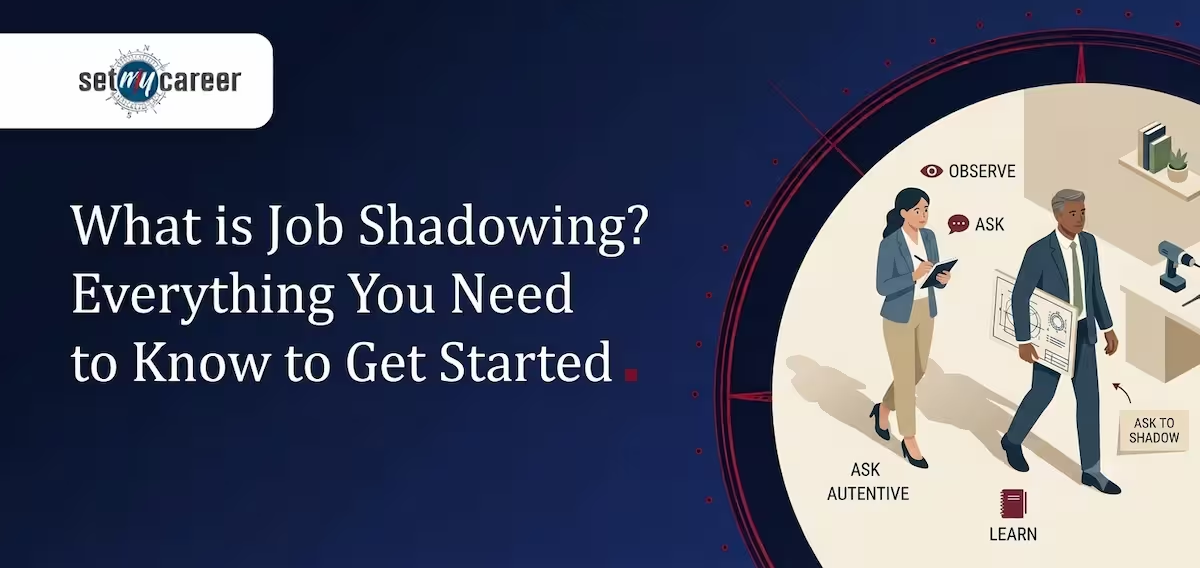
Job shadowing is a highly focused form of experiential learning where you spend a designated amount of time—usually ranging from a few hours to a full workweek—closely observing a professional as they perform their regular duties. Unlike internships or apprenticeships, which require you to actively execute tasks and contribute to company deliverables, shadowing is strictly observational.
The primary objective is to absorb information. You are there to watch how the professional structures their day, manages their workload, and interacts with colleagues and clients. Because you are relieved of the pressure to perform or complete tasks, your cognitive energy is entirely freed up to evaluate the environment, ask probing questions, and assess whether the reality of the profession aligns with your personal expectations and strengths.
Key Benefits: Why Job Shadowing is a Critical Career Step
Shadowing offers a level of insight that cannot be replicated through online research or informational interviews alone. Immersing yourself in the actual work environment yields several distinct advantages.
- Clarifies Your Career Direction: It is remarkably easy to romanticize a job from the outside. Shadowing strips away the glamour and shows you the mundane realities, helping you confirm if a career is genuinely right for you. This clarity can save you years of pursuing the wrong degree or climbing the wrong corporate ladder.
- Provides Unfiltered Real-World Experience: You get to witness the unpredictable challenges that arise during a typical workday. Seeing how professionals navigate crises, manage tight deadlines, and handle difficult conversations gives you a realistic preview of the field.
- Unlocks the Hidden Job Market: Spending a day inside a company allows you to build genuine rapport with established professionals. These connections frequently evolve into long-term mentorships, glowing recommendations, or direct alerts about unadvertised job openings and internships.
- Reveals Authentic Workplace Culture: A company's website will always claim they have a great culture, but shadowing lets you see the truth. You can observe team dynamics, communication styles, management structures, and the general atmosphere of the office, which is crucial for determining where you will thrive.
- Identifies Crucial Skill Gaps: By watching an expert at work, you will immediately notice the specific software they use, the industry jargon they speak, and the soft skills required to succeed. You can then tailor your own resume and learning path to match these exact industry demands.
What to Expect on the Day: A Behind-the-Scenes Look
While every company structures these opportunities differently based on their industry and confidentiality rules, a typical shadowing agenda usually involves a mix of the following elements:
- Direct Observation: The core of the experience involves being a "fly on the wall." You might sit in on department meetings, listen quietly to client discovery calls, or watch the professional navigate complex software during deep-work sessions.
- Structured Q&A Sessions: Most hosts will block out time over coffee or lunch specifically for your questions. This is your dedicated window to ask about their career trajectory, the hardest parts of their job, and their advice for breaking into the industry.
- Facility and Operations Tours: Expect a walkthrough of the workspace. Depending on the industry, this could mean touring a hospital wing, walking through a manufacturing floor, or exploring a modern tech campus, giving you a strong sense of the physical working environment.
- Light, Low-Stakes Participation: While the goal is observation, some hosts might invite you to participate in minor ways, such as reading over a brief before a meeting or brainstorming ideas on a whiteboard. However, you will not be expected to produce actual work.
Expert Tips for a Highly Successful Job Shadowing Experience
Securing a shadowing opportunity is only the first step. To extract the maximum value from the experience and leave a lasting positive impression, keep these strategic tips in mind:
- Do Your Homework Before Arriving: Never walk in blind. Research the company's recent projects, read their latest press releases, and review your host’s LinkedIn profile. This allows you to skip basic questions and ask highly specific, insightful things that demonstrate your serious interest.
- Nail the Dress Code: Always ask about the expected attire a few days in advance. Whether the office leans toward formal business wear or casual tech-startup attire, matching their standard shows respect for their environment and helps you blend in seamlessly.
- Engage Actively, But Respect Boundaries: Carry a professional notebook and take detailed notes. Ask questions when appropriate, but also possess the emotional intelligence to stay completely silent and out of the way when your host needs to handle a high-stress situation or a sensitive client call.
- Follow Up Strategically: The experience does not end when you leave the building. Within 24 hours, send a personalized thank-you email. Mention a specific piece of advice they gave you that resonated, and express your gratitude for their time. This simple step solidifies the professional relationship.
Make Informed Decisions About Your Professional Future
Job shadowing remains one of the most effective, low-risk methods for career exploration available today. By stepping out of the classroom and into the actual workplace, you gather the concrete evidence needed to make informed decisions about your future. It bridges the gap between theory and reality, ensuring that the career path you ultimately choose is one that genuinely aligns with your passions, lifestyle goals, and professional strengths.
Ready to take the next step in mapping out your future? Finding the right career trajectory takes careful planning and expert insight. If you are unsure where to start, connect with the experts at SetMyCareer for personalized career counselling after graduation to support you at every step of the way in achieving your long-term career goals.