




The days of picking a single profession at eighteen and riding it straight through to retirement are largely behind us. New industries sprout almost overnight, driven by technological advancements, while traditional roles continuously evolve. This constant state of flux leaves many students and young professionals standing at a crossroads. How do you prepare for a job market that looks entirely different than it did a decade ago?
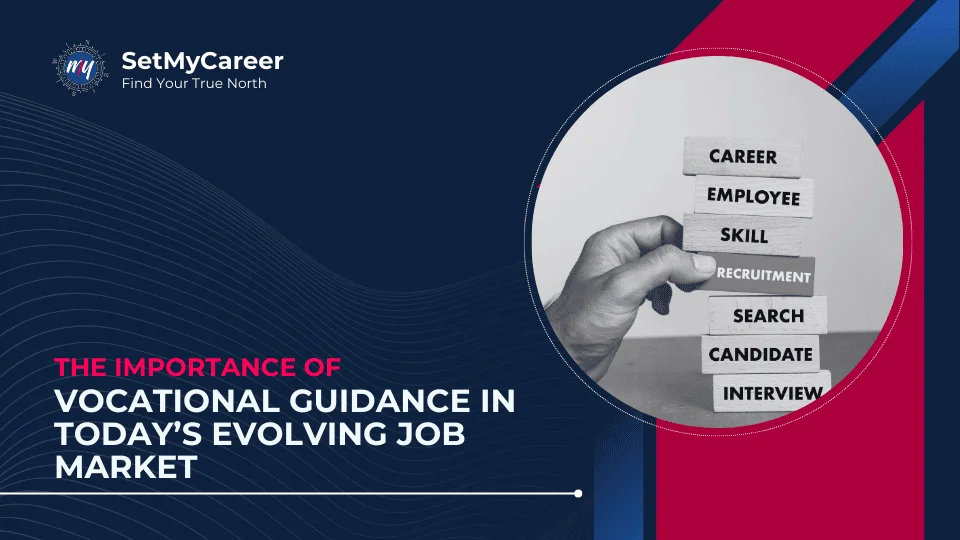
Career counselling emphasizes the importance of vocational guidance for skill-based career paths.
This is where vocational guidance proves its true value. Far beyond casual advice from friends or family, professional career direction offers a strategic framework. It helps individuals identify their unique strengths, navigate emerging industry trends, and build the specific skill sets required for the jobs of tomorrow. For anyone struggling to pinpoint their professional calling, working with a qualified career counselor transforms overwhelming choices into a clear, actionable roadmap.
What is Vocational Guidance?
At its core, vocational guidance is a structured process designed to help individuals discover their ideal professional path. It is not about simply matching a person to a high-paying job; rather, it is a comprehensive evaluation of an individual's natural aptitudes, psychological strengths, interests, and how those traits align with current economic demands.
The primary advantage of this process is the profound clarity it brings to decision-making. Through tools like a standardized career assessment test, behavioral evaluations, and one-on-one discussions, vocational experts replace guesswork with objective data. This structured approach empowers students and professionals to explore realistic career possibilities, understand the educational requirements, and make informed choices that protect them from future burnout.
Why Vocational Guidance is Essential in the Modern Job Market
Choosing a career is one of the most significant financial and emotional investments a person makes. Here is why professional guidance is critical for shaping a sustainable, successful professional life:
- Enables Informed Career Choices: Rather than following trends or giving in to peer pressure, vocational guidance provides objective insights into various career paths. It connects your innate talents with actual job viability, ensuring you choose a path where you are naturally positioned to excel.
- Adapts to Shifting Industry Trends: As automation and artificial intelligence reshape the economy, certain jobs will disappear while entirely new fields emerge. Career counselors stay ahead of these macroeconomic trends, helping you identify opportunities in high-growth sectors before they become oversaturated.
- Builds a Personalized Career Development Plan: Career trajectories are no longer linear ladders; they are dynamic webs. Expert guidance helps you map out a customized career development plan that accounts for your specific lifestyle goals, financial expectations, and professional ambitions.
- Pinpoints Targeted Skill Development: Knowing what you want to do is only half the battle. Vocational counseling identifies the precise hard and soft skills required for your future roles. It outlines the exact certifications, degrees, or practical experiences you need to acquire to remain competitive.
- Reduces Career Anxiety and Confusion: The sheer volume of available college majors and career options can lead to "analysis paralysis." Professional guidance cuts through the noise, managing the stress and uncertainty that often accompanies major life transitions.
- Facilitates Successful Career Transitions: Vocational guidance is not just for high school students. Whether you are experiencing mid-career burnout, looking to switch industries entirely, or aiming for an executive promotion, an expert can help you leverage your existing transferable skills to pivot successfully.
- Maximizes Long-Term Job Satisfaction: When your daily work aligns with your core values and personal strengths, the result is deep job satisfaction. Proper guidance ensures you don't just secure employment, but actually find meaning and fulfillment in your work.
Conclusion: Taking Control of Your Professional Future
Building a successful career requires more than just hard work; it demands strategic direction. By utilizing vocational guidance, you equip yourself with the insights needed to make informed choices, adapt to emerging industries, and cultivate the exact skills employers are looking for. Investing time in understanding your professional profile today prevents years of frustration and misdirection tomorrow.
You do not have to figure out your future through trial and error. At SetMyCareer, we provide personalized career guidance and expert advice tailored to your unique potential. Connect with our experts today, and let us help you transform your professional aspirations into a concrete, achievable reality.