





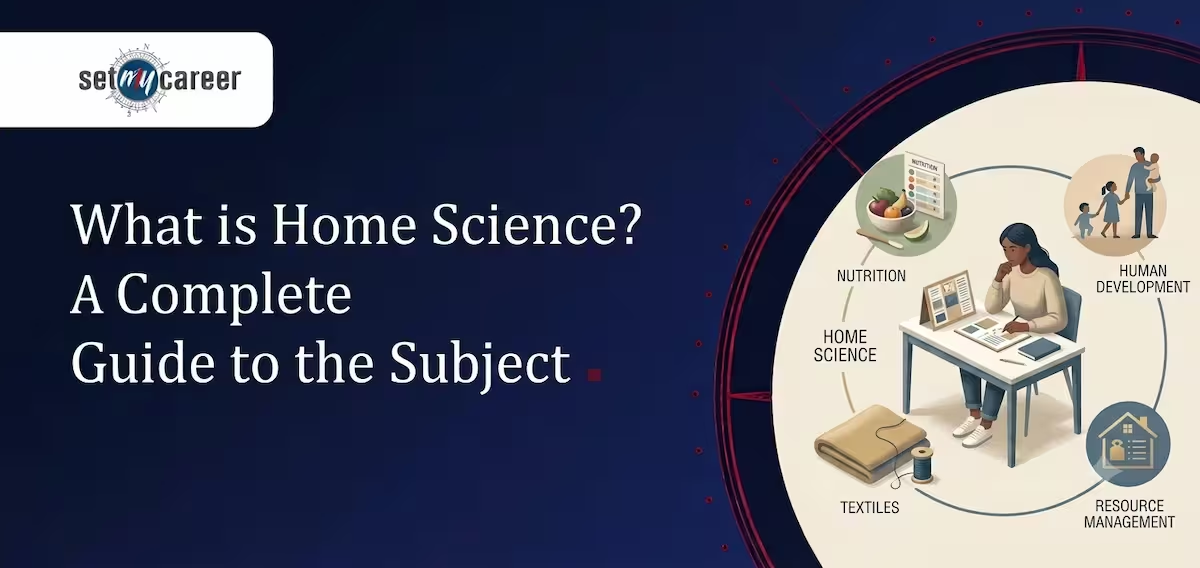
Home Science is a highly multidisciplinary field that integrates the sciences, arts, and humanities to elevate the standard of daily living. Far beyond traditional domestic management, this dynamic discipline bridges the gap between scientific principles and practical application, equipping individuals with the tools to foster healthier, more sustainable environments.
Home science offers diverse career options after 12th for students interested in family sciences.
Core Areas of Study in Home Science
An academic curriculum in this field is rigorous and diverse, covering multiple specialized branches aimed at improving human well-being. The core areas of study include:
- Food Science and Clinical Nutrition: Understanding the biochemistry of food, therapeutic diets, macronutrient profiles, and strict food safety protocols to combat malnutrition and chronic diseases.
- Textiles and Apparel Design: Exploring fabric construction, textile chemistry, fashion merchandising, and the growing demand for sustainable, ethically sourced clothing.
- Human Development and Family Studies: Focusing on lifespan psychology, early childhood education, geriatric care, and the complex dynamics of family relationships.
- Resource Management and Interior Design: Mastering the allocation of household finances, time optimization, ergonomics, and spatial planning to create highly efficient living spaces.
- Health and Preventative Hygiene: Promoting community sanitation, disease prevention, and establishing robust personal hygiene practices.
- Extension Education and Sustainability: Learning methods to transfer scientific knowledge to rural or underserved communities, reducing ecological footprints, and championing eco-friendly domestic practices.
Why the Study of Home Science Matters
Home Science creates systemic changes starting at the household level and expanding into the broader community. By mastering the intersection of economics, sociology, and biology, professionals in this field help individuals live healthier, better-organized, and deeply fulfilling lives. The discipline ultimately strengthens family structures and drives the global shift toward sustainable, conscious consumption.
The Real-World Importance of Home Science in Everyday Life
Essential Practical Life Skills
The knowledge gained through this discipline translates instantly into actionable habits. It teaches highly practical skills necessary to optimize any household. Key applications include:
- Nutritional Planning and Healthy Cooking: Designing balanced, nutrient-dense meal plans tailored to specific dietary requirements, allergies, and lifestyle goals.
- Strategic Budgeting and Wealth Management: Applying financial literacy to track household expenses, maximize savings, and allocate resources without compromising on quality of life.
- Advanced Time and Workflow Management: Implementing organizational strategies that reduce daily friction, allowing households to run smoothly even with demanding work schedules.
- Textile Upcycling and Clothing Care: Understanding fabric properties to extend the lifespan of garments, repair clothing, and actively reduce the waste associated with fast fashion.
Direct Impact on Overall Quality of Life
Mastering these foundational elements dramatically improves both physical and mental well-being. A nutritionally sound, financially stable, and well-organized home reduces daily stress levels. By applying these scientific principles to personal spaces, individuals cultivate a harmonious environment that supports long-term health and emotional resilience.
Top Career Opportunities and Job Roles in Home Science
Diverse Career Paths Across Industries
The assumption that a Home Science degree limits graduates to domestic roles is an outdated misconception. Today’s professionals step into lucrative, high-demand sectors ranging from healthcare and hospitality to corporate retail. Some of the most prominent career tracks include:
- Clinical Nutritionist or Dietitian: Working within hospitals, sports facilities, or private clinics to design therapeutic diets that treat medical conditions and optimize human performance.
- Fashion Designer or Apparel Merchandiser: Driving creative direction for retail brands, managing textile production lines, or launching independent boutique labels.
- Interior Designer or Space Planner: Collaborating with architectural firms to design aesthetically pleasing, highly functional residential and commercial properties.
- Child Development Specialist: Partnering with pediatric clinics, educational NGOs, and specialized schools to monitor and support cognitive and emotional milestones in youth.
- Event Manager: Executing large-scale corporate conferences, luxury weddings, and hospitality events with precise logistical oversight.
- Public Health Educator: Working alongside government bodies or nonprofits to design community programs centered on hygiene, disease prevention, and maternal health.
Scope for Entrepreneurship and Business Ownership
The multidisciplinary nature of the coursework makes it a perfect incubator for future entrepreneurs. Graduates frequently leverage their specialized knowledge to launch independent ventures. Successful business avenues include founding organic catering companies, opening specialized daycare centers, establishing freelance interior design firms, or launching private health consulting practices.
Academic Pathways: Courses and Education in Home Science
Undergraduate and Postgraduate Degree Options
Establishing a successful career in this field requires a strong academic background. Most professionals begin with a Bachelor’s degree (B.Sc. or B.A. in Home Science), which typically spans three to four years and provides a comprehensive foundation across all core scientific disciplines.
For those looking to target niche industries, pursuing a Master’s degree opens doors to advanced research and senior corporate roles. Popular postgraduate specializations include:
- M.Sc. in Clinical Nutrition and Dietetics
- M.Sc. in Human Development and Family Studies
- M.Sc. in Textile and Fashion Design
- M.Sc. in Resource Management and Ergonomics
Diploma and Certificate Programs
For individuals looking to pivot careers or rapidly upskill without committing to a multi-year degree, short-term diploma and certificate courses are highly effective. Popular fast-track programs cover:
- Advanced Nutrition and Sports Dietetics
- Apparel Merchandising and Garment Construction
- Early Childhood Care and Education (ECCE)
Expert Tips and Career Insights from Setmycareer
Build a Strong Foundation Early
The career experts at Setmycareer strongly emphasize treating Home Science as a true STEM-adjacent discipline. Building a solid academic foundation in biology, chemistry, and sociology early on will give you a significant competitive edge. High school students should prioritize these core sciences to easily transition into rigorous university-level coursework.
Stay Updated with Industry Trends
Because the field intersects directly with consumer behavior, it evolves rapidly. Professionals must stay informed about emerging trends such as plant-based nutrition, smart-home automation, and zero-waste fashion. Continuous learning ensures your skill set remains relevant, innovative, and highly sought after by modern employers.
Pursue Specialized Training
While a general degree provides excellent versatility, acquiring specialized knowledge sharply increases your earning potential. Experts recommend seeking out hands-on internships, attending industry workshops, and securing niche certifications—such as a pediatric nutrition credential or a sustainable textiles certificate—to differentiate yourself in the job market.
Network with Professional Organizations
Career growth is heavily influenced by who you know and the communities you actively participate in. Joining respected professional bodies like the Indian Home Science Association (IHSA) or the National Institute of Nutrition (NIN) provides unparalleled access to networking events, academic journals, and exclusive job boards. Engaging with these organizations keeps you at the forefront of global research and policy changes.
Conclusion
Home Science is a deeply pragmatic, highly versatile discipline that empowers individuals to master the art and science of living well. Whether your goal is to lead clinical nutrition programs, design sustainable apparel, optimize interior spaces, or simply elevate the daily operational standard of your own household, the field offers an incredibly broad spectrum of applications.
Pursuing an education in this space means committing to lifelong improvement. The skills acquired do not just facilitate a successful professional career; they directly contribute to building healthier families, empowering local communities, and driving the global movement toward a more sustainable future. By turning everyday challenges into scientific solutions, Home Science professionals truly shape the way we live.