






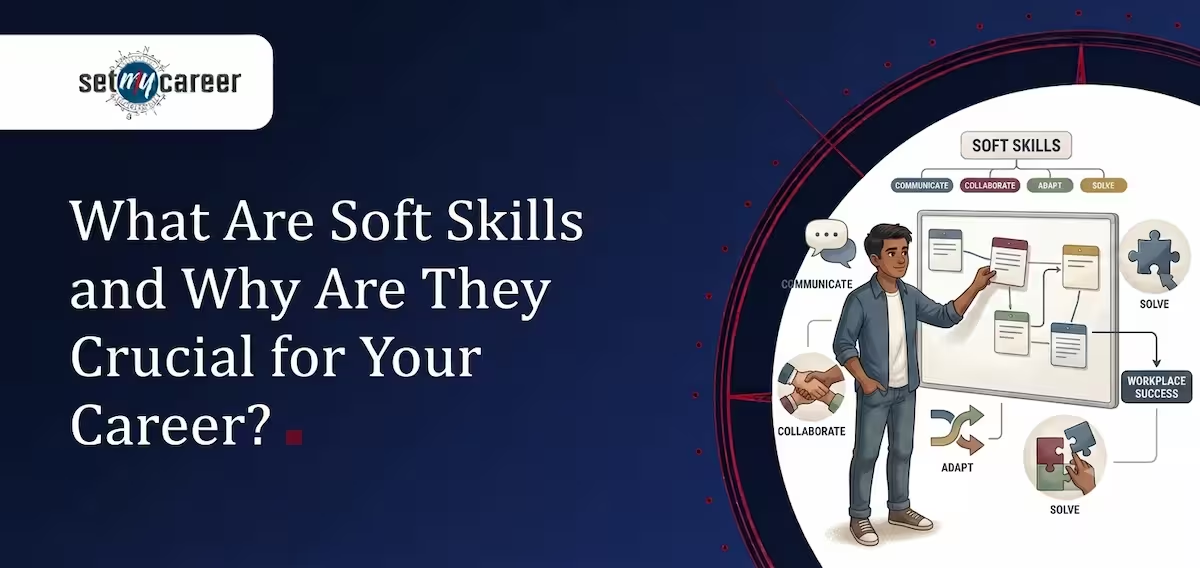
Imagine you're building a house. You have all the bricks and mortar required for a strong foundation, but without the appropriate tools to put them together, your house remains nothing more than a pile of potential. In the professional world, technical expertise (hard skills) serves as your bricks, while soft skills function as the essential tools necessary to build a truly successful career.
Career counselling emphasizes why soft skills are crucial for career advancement and success.
Career coaching emphasizes why soft skills are crucial for career advancement and success.
Often overlooked in traditional education, these crucial qualities—like effective communication, seamless teamwork, and complex problem-solving—are what make your career journey smooth and your long-term success achievable. Whether you are just starting out, managing an entry-level position, or aiming to climb the executive ladder, understanding and actively developing your soft skills is key to unlocking a wealth of high-level career opportunities.
Consider the story of Raj, a talented software engineer who excelled technically but initially struggled to progress in his career. Despite his undeniable coding expertise, Raj found it challenging to convey his ideas during team meetings and often felt disconnected from his colleagues. His technical abilities secured his job, but his lack of interpersonal skills kept him stagnant.
Realizing that professional advancement requires more than just technical know-how, Raj made a strategic decision to improve his communication and teamwork abilities. He began actively participating in discussions, sought constructive feedback from his peers, and intentionally took on leadership roles within small projects. Over time, these efforts paid off significantly. Not only did Raj's relationships with his colleagues improve, but he also earned a promotion to project manager. His trajectory illustrates exactly how mastering soft skills can dramatically enhance your career opportunities and lead directly to long-lasting career success.
What Are Soft Skills and Why Are They Important?
Defining Soft Skills
Soft skills refer to the interpersonal and personal attributes that allow you to interact effectively and harmoniously with others in a professional environment. Unlike hard skills, which are quantifiable, job-specific abilities (like coding, accounting, or operating heavy machinery), soft skills dictate how you work rather than what you know. Recognizing the importance of highlighting soft skills on your resume is essential, as employers actively seek candidates who demonstrate high emotional intelligence and strong collaboration abilities to enhance their organizational culture.
Soft Skills vs. Hard Skills
While hard skills might get your foot in the door for an interview, your soft skills are what keep you employed and propel you forward into leadership roles. For example, a software developer certainly needs technical knowledge to write clean code. However, their ability to collaborate with a cross-functional team, communicate complex ideas clearly to non-technical stakeholders, and manage their time effectively will ultimately determine their long-term success.
According to comprehensive research conducted by LinkedIn, an overwhelming 92% of talent professionals agree on the critical importance of soft skills, stating they are just as essential, if not more so, than hard skills for achieving meaningful career success.
The Tangible Benefits of Developing Your Soft Skills
Focusing on soft skill development allows you to navigate your career journey more effectively and achieve your professional goals with greater ease. Here is why prioritizing these skills is critical to your professional growth:
- Enhanced Communication: Mastering effective communication ensures that you can convey your ideas clearly and listen actively to others. This is a foundational requirement in almost every role, from collaborating with internal team members to presenting complex projects to high-value clients.
- Better Teamwork and Collaboration: Strong teamwork skills enable you to integrate seamlessly with others to achieve shared objectives. Modern employers highly value team players who can collaborate effectively, mitigate friction, and support their peers in achieving collective success.
- Increased Problem-Solving Ability: Soft skills empower you to approach challenges creatively and find innovative solutions that might not be immediately obvious. This cognitive flexibility and adaptability are highly prized in today's dynamic, fast-paced work environments.
- Adaptability to Change: The modern workplace is constantly evolving due to technological advancements and economic shifts. Being adaptable and open to change makes you more resilient and capable of thriving in diverse situations, whether you are learning new enterprise software or adjusting to shifting market demands.
- Stronger Leadership Potential: Developing leadership skills isn't just about managing people and delegating tasks; it's about inspiring and motivating teams to perform at their best. Attributes like empathy, active communication, and conflict resolution are essential for effective leadership and naturally position you for executive career management roles.
- Improved Career Prospects: Hiring managers are increasingly prioritizing candidates who possess strong soft skills alongside technical competence. These abilities differentiate you in a highly competitive job market, making you a more attractive hire and significantly expanding your career opportunities.
- Enhanced Workplace Relationships: Soft skills play a critical role in building and maintaining positive, productive relationships with colleagues, managers, and clients. Excellent interpersonal skills lead to a more harmonious work environment, directly contributing to your overall job satisfaction and career success.
- Personal Growth and Confidence: Actively developing soft skills naturally boosts your self-awareness and self-confidence. These personal attributes are not only beneficial for climbing the corporate ladder but also deeply enrich your daily interactions and experiences outside of the workplace.
10 Key Soft Skills Essential for Career Success
To future-proof your career and maximize your professional potential, focus on cultivating these ten indispensable soft skills:
1. Clear Communication
Clear, concise, and persuasive communication is essential for conveying ideas, writing professional emails, and collaborating seamlessly with stakeholders. It plays a pivotal role in career management and is universally indispensable across all job functions and industries.
2. Teamwork and Collaboration
The ability to work harmoniously with diverse individuals toward a common goal is highly valued by modern organizations. Teamwork skills foster a supportive, collaborative work environment, making it significantly easier to achieve group targets and advance your career journey.
3. Complex Problem-Solving
Creative and analytical problem-solving skills enable you to tackle unexpected challenges and formulate innovative solutions under pressure. This skill is particularly important for strategic career management, helping you navigate corporate obstacles and seize emerging opportunities.
4. Adaptability and Resilience
Being adaptable means you can adjust rapidly to new circumstances, shifting priorities, and industry disruptions without losing momentum. This mental flexibility is paramount in today’s rapidly evolving job market and remains a cornerstone of effective long-term career management.
5. Leadership and Influence
Effective leadership entails guiding, mentoring, and motivating others toward excellence. This skill isn’t reserved exclusively for managers; every professional benefits immensely from the ability to lead by example and exert positive influence, which is vital for accelerated career success.
6. Emotional Intelligence (EQ)
Understanding and managing your own emotions, as well as empathizing with the feelings and motivations of others, drastically enhances interpersonal relationships. High emotional intelligence is fundamental for building a supportive, highly productive workplace environment and resolving tension proactively.
7. Time Management
Efficient time management allows you to prioritize high-impact tasks, delegate appropriately, and consistently meet strict deadlines. It is a critical component of professional reliability, ensuring sustained productivity and maintaining a healthy work-life balance.
8. Conflict Resolution
The ability to navigate disagreements professionally and resolve conflicts amicably is crucial for fostering healthy work relationships. Mastering this skill helps maintain a positive, cohesive team dynamic, contributing to a better organizational culture and broader career opportunities.
9. Strategic Networking
Building and actively maintaining professional relationships opens doors to unadvertised career opportunities. Effective networking skills provide essential support systems, valuable mentorship, and vital insights into upcoming industry trends.
10. Critical Thinking
The ability to analyze complex situations logically, evaluate data objectively, and make highly informed decisions is an invaluable corporate asset. Critical thinking drastically enhances your strategic planning capabilities, ensuring your long-term value to any organization.
Conclusion: The Foundation of a Thriving Career
Soft skills are the invisible backbone of a truly thriving career. They complement your hard-earned technical abilities and drastically enhance your capacity to navigate the complexities of the professional world. Whether you are embarking on a brand-new career journey, pivoting to a different industry, or seeking to elevate your current trajectory into management, investing deeply in your soft skills is absolutely crucial.
Professional career counseling for working professionals can provide highly tailored strategies and actionable feedback to help you develop these essential skills, ensuring they align perfectly with your long-term career goals. For personalized guidance and expert support in honing your soft skills and achieving your professional aspirations, connect with our career experts at SetMyCareer. We are dedicated to helping you unlock your full potential and secure lasting career success.