






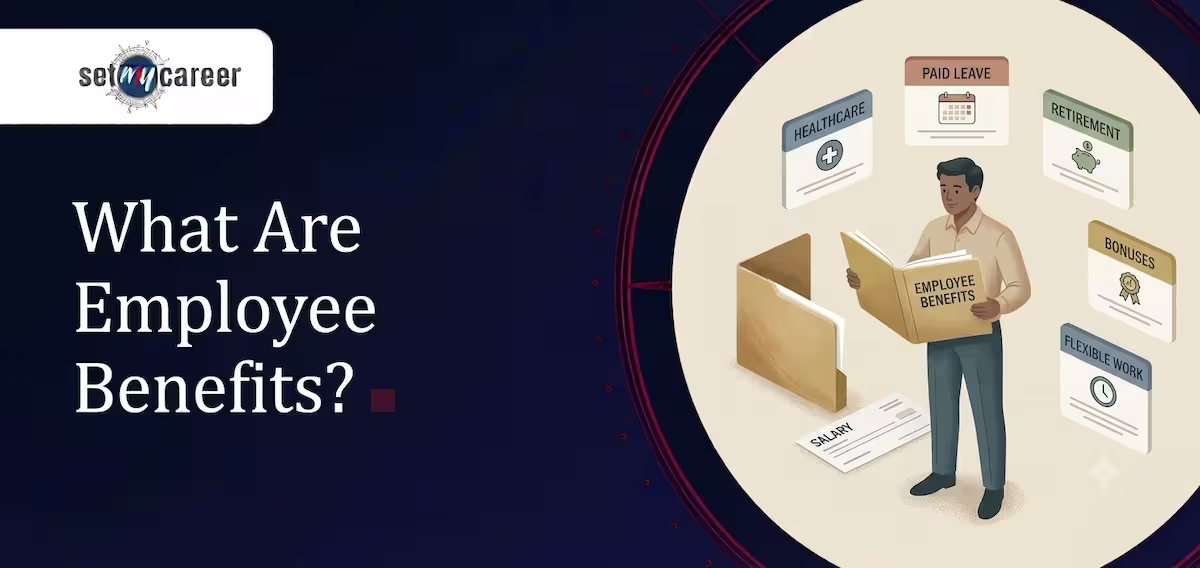
Imagine receiving two job offers with identical base salaries. The first company provides only a basic paycheck. The second covers comprehensive medical insurance for your family, matches your retirement savings, provides flexible remote work options, and funds your professional certifications. Which offer would you accept? Most professionals naturally choose the employer that invests in their overall well-being beyond standard working hours.
Career counselling helps individuals evaluate job offers based on employee benefits packages.
Employee benefits have evolved from secondary perks into a core pillar of modern talent strategy. They directly influence workplace culture, drive daily productivity, and determine whether an organization can attract and retain top performers in a competitive market. Understanding how employee benefits work—and how to evaluate them—is essential for building a sustainable, high-reward career.
Understanding Employee Benefits: Beyond the Base Salary
Employee benefits are non-wage compensation components provided to workers in addition to their regular salaries or wages. Together with base pay, bonuses, and equity, they form an organization’s total rewards package. These programs enhance financial stability, safeguard health, and help professionals maintain a healthy balance between their work and personal lives.
Not all benefits are structured the same way. Organizations typically divide their offerings into two primary categories:
- Mandatory (Statutory) Benefits: Compensation components required by federal, state, or national labor laws. These typically include social security contributions, statutory healthcare coverage, workplace injury insurance, and unemployment protection.
- Voluntary (Fringe) Benefits: Optional perks provided at the employer's discretion to improve workplace satisfaction and talent retention. Examples include flexible working arrangements, wellness stipends, continuous learning allowances, and stock option plans.
Forward-thinking employers look beyond short-term hiring needs. By investing in robust compensation packages, they build a resilient, motivated workforce focused on long-term organizational success.
The Business and Personal Impact of Comprehensive Benefits
A well-structured benefits plan is not an administrative expense—it is a strategic investment that generates measurable value for both employees and employers.
For Employees
- Enhanced Health and Financial Security: Medical coverage and income protection reduce personal stress, shielding individuals from sudden, catastrophic out-of-pocket expenses.
- Improved Work-Life Integration: Flexible schedules and paid time off prevent professional burnout, keeping energy and focus high over the long term.
- Accelerated Career Development: Employer-sponsored education and skill development programs allow professionals to upgrade their qualifications without financial hardship.
For Employers
- Higher Retention Rates: Competitive benefits significantly reduce costly employee turnover, keeping institutional knowledge within the company.
- Increased Productivity and Engagement: Healthy, rested workers demonstrate higher cognitive performance, fewer sick days, and greater overall engagement.
- Stronger Employer Brand: Organizations known for supporting their workforce attract higher-caliber applicants, reducing average recruitment costs and time-to-hire.
Statutory Benefits and Labor Laws in India: Understanding Your Rights
In India, employee benefits are governed by central and state labor legislation designed to protect workers, maintain fair working conditions, and ensure financial security.
- Health and Social Security: Under the Employees' State Insurance (ESI) Act, organizations with 10 or more workers must provide medical and cash benefits to employees earning up to ₹21,000 per month. Additionally, the Employees' Compensation Act mandates employer liability for occupational injuries, illnesses, or accidents occurring during employment.
- Retirement and Long-Service Benefits: Contributions to the Employees' Provident Fund (EPF) are mandatory for eligible establishments. Furthermore, the Payment of Gratuity Act entitles employees who complete five consecutive years of service to a lump-sum statutory payout upon exit or retirement.
- Parental and Family Leave: The Maternity Benefit Act mandates 26 weeks of fully paid maternity leave for female employees for up to two surviving children. The law also requires establishments with 50 or more employees to provide accessible crèche facilities.
- Wages and Overtime Regulation: The Minimum Wages Act ensures baseline compensation across scheduled employments. Under the Factories Act and relevant Shops and Establishments Acts, any work performed beyond 48 hours per week must be compensated at double the standard wage rate.
- Workplace Equality: Statutory provisions prohibit gender-based wage discrimination and require equal workplace opportunities and accommodations for persons with disabilities.
Understanding these statutory protections allows employees to verify that their employment contracts comply with current legal standards.
Core Employee Benefits That Drive Talent Attraction and Retention
High-performing companies combine essential statutory provisions with targeted voluntary perks to build attractive workplace environments.
1. Health and Wellness Benefits
- Comprehensive Group Health Insurance: Covers hospitalization, surgical procedures, critical illnesses, and pre-existing conditions for employees and their dependents.
- Outpatient (OPD), Dental, and Vision Care: Preventive diagnostic care, optical allowances, and routine dental treatments that protect overall physical health.
- Mental Health Support Systems: Access to qualified therapists, confidential Employee Assistance Programs (EAPs), and guided stress-management workshops.
- Wellness Stipends and Fitness Memberships: Subsidized gym passes, wearable fitness trackers, and preventive health screening packages.
2. Financial Security and Wealth Building
- Retirement Savings and Pension Plans: Employer-matched contributions to provident funds, pension schemes, or national retirement accounts that secure long-term financial independence.
- Equity Options and Profit Sharing: Employee Stock Ownership Plans (ESOPs) and performance-linked profit sharing that align individual success with company growth.
- Financial Literacy and Advisory Services: Professional guidance on personal tax planning, debt management, investments, and estate planning.
3. Work-Life Integration and Flexibility
- Hybrid and Remote Work Models: Flexible location options that save commuting time and support personal commitments.
- Generous Paid Time Off (PTO): Structured annual leave, personal days, sick leave, and dedicated mental health recharge days.
- Parental and Caregiver Leave: Paid paternity leave, extended adoption leave, and childcare support allowances for growing families.
- Sabbatical Programs: Extended leave options for senior staff to pursue higher studies, public service, or personal restoration without relinquishing their positions.
4. Professional Growth and Skill Advancement
- Tuition Assistance and Upskilling Grants: Financial support for academic degrees, specialized technical certifications, and executive education.
- Leadership Coaching and Mentorship: Structured career development tracks, executive coaching, and cross-functional leadership training.
- Conference and Industry Event Allowances: Coverage for industry summits, technical workshops, and professional association memberships.
5. Emerging Lifestyle Perks
- Commuter Subsidies: Tax-optimized transit passes, fuel allowances, or shared corporate shuttle services.
- Nutritional and Workplace Allowances: Subsidized high-quality campus meals, healthy snacks, or home-office setup stipends.
- Corporate Discount Programs: Preferred pricing on consumer electronics, travel bookings, insurance policies, and lifestyle memberships.
How Employees Can Maximize Their Benefits Package
Having access to a great benefits program is only half the equation—you also need to actively manage and utilize those offerings. Here is how to ensure you receive full value from your compensation package:
- Review Policy Documents Thoroughly: Read your employee handbook and benefit policy documents during onboarding and open enrollment periods. Pay close attention to coverage limits, co-pay clauses, and claim procedures.
- Leverage Preventive Healthcare Features: Use annual health check-ups, dental cleanings, and wellness stipends before they expire at the end of the policy year. Preventive care protects your health and reduces long-term medical costs.
- Optimize Tax-Saving Components: Align your benefits with applicable tax laws. Take full advantage of tax-exempt structures such as the National Pension System (NPS), meal cards, learning allowances, and Leave Travel Concessions (LTC).
- Utilize Professional Development Funds: Regularly apply for employer-funded courses, certification programs, and industry conferences to keep your technical skills sharp and market-relevant.
- Consult HR for Clarification: Reach out to your Human Resources or benefits administrator whenever life circumstances change—such as marriage, the birth of a child, or a family medical emergency—to update dependent details and adjust coverage levels promptly.
Conclusion: Evaluating Total Rewards for Long-Term Success
Evaluating a job offer based solely on base salary provides an incomplete picture of its true value. A comprehensive employee benefits program safeguards your physical health, accelerates your career development, and builds long-term financial security.
When assessing new opportunities or reviewing your current role, analyze the complete total rewards package. Look for organizations that demonstrate a clear commitment to worker well-being, work-life balance, and continuous professional growth. By understanding your rights and fully leveraging available benefits, you can make informed decisions that support both your immediate financial needs and your long-term career goals.