






Quick Summary
When evaluating a job offer, looking beyond the base salary to understand your employee benefits package is essential for building long-term financial security and a healthy work-life balance. By carefully analyzing core perks like health insurance options, retirement matching, and professional development support, you can maximize your total compensation and make career decisions with absolute clarity. If navigating these choices feels overwhelming, the expert counseling team at SetMyCareer is here to provide personalized, data-driven guidance to help you confidently take the next step in your professional journey.
Introduction
When you receive a new job offer, your eyes probably jump straight to the salary figure. While your take-home pay is incredibly important, it only tells part of the story. Your total compensation includes an employee benefits package that can significantly boost your financial security, health, and work-life balance. Understanding these perks is essential to making smart career decisions, whether you are accepting a new role in 2026 or evaluating your current position.
Navigating health insurance terms, retirement plans, and wellness perks can sometimes feel like learning a new language. You do not have to figure it out alone. This guide breaks down the core components of a standard employee benefits package into simple, actionable terms. We will explain how to evaluate health plans, understand retirement matching, and identify hidden perks that add real value to your daily life.
By learning how to analyze these benefits, you can confidently negotiate better offers and maximize your workplace rewards. Let us walk through how you can make your benefits work for you and your family, helping you build a secure and fulfilling future.
What Are Employee Benefits and Why Do They Matter?
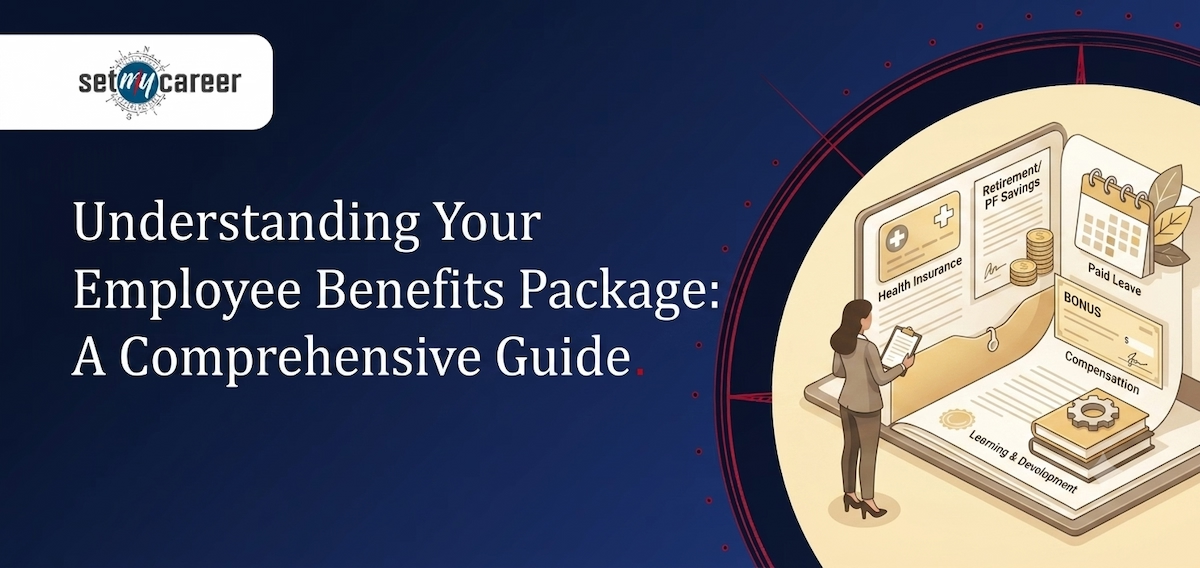
Employee benefits represent non monetary compensation offered to workers in addition to their base salary. These provisions typically include health coverage, retirement savings plans, paid time off, and various wellness incentives. They safeguard personal health, build long-term financial security, and support overall balance throughout an individual career journey.
A comprehensive total compensation package goes far beyond a baseline salary. When evaluating a job offer, candidates often look exclusively at the annual wage figure, neglecting the substantial monetary and personal value provided by standard and specialized perks. For example, a slightly lower salary paired with a robust health plan and an aggressive retirement match can easily outvalue a higher salary that lacks healthcare support or long-term financial provisions.
Furthermore, an excellent benefits structure acts as a safety net against unpredictable life events. Severe health situations, family expansions, or career transitions can become financially draining without structured corporate backing. Understanding how these features operate is an essential component of career planning, enabling professionals to secure their personal welfare alongside their career development goals.
| Benefit Category | Primary Purpose | Standard Components |
|---|---|---|
| Health and Wellness | Protects physical and mental health while reducing medical expenses | Medical, dental, vision, and wellness incentives |
| Financial Security | Supports long-term wealth building and income protection | Retirement plans, life insurance, and disability coverage |
| Work-Life Balance | Promotes rest, family care, and personal recovery | Paid time off, parental leave, and flexible scheduling |
| Professional Growth | Encourages skill acquisition and academic advancement | Tuition assistance, certification funding, and training |
The Core Types of Employee Benefits Explained
Core benefits form the baseline of an organization's support system. These provisions ensure that the most significant areas of an employee's life—their health, their future financial stability, and their need for recovery—are structured in a safe, predictable manner. Examining these individual components reveals how a quality corporate package functions under real-world circumstances.
1. Health Insurance Options
Medical expenses represent one of the largest potential financial burdens for individuals. Employer-sponsored healthcare coverage mitigates these costs by leveraging group rates and sharing the premium expenses. Depending on the organization, employees can select from several common models to best fit their family health requirements and budget preferences.
- Deductible: The specific dollar amount an employee pays out of pocket before the insurance company begins contributing to medical bills.
- Premium: The regular monthly fee deducted directly from a paycheck to keep the insurance plan active.
- Out-of-Pocket Maximum: The absolute limit an individual pays within a calendar year, after which the plan covers 100% of all medical costs.
- Health Savings Account (HSA): A tax-advantaged savings vehicle paired with high-deductible plans that allows tax-free contributions for qualified medical needs.
| Plan Type | Monthly Premium Cost | Out-of-Pocket Expenses | Provider Network Flexibility |
|---|---|---|---|
| Health Maintenance Organization (HMO) | Generally lower | Predictable copays, low deductibles | Restricted to in-network doctors; requires referrals |
| Preferred Provider Organization (PPO) | Generally higher | Varies; deductibles and co-insurance apply | High flexibility; no referrals needed for specialists |
| High-Deductible Health Plan (HDHP) | Lowest monthly cost | High deductible before coverage kicks in | Flexible; compatible with Health Savings Accounts (HSA) |
2. Retirement Plans and Financial Security
Building long-term wealth is essential for personal security, and employer-sponsored retirement plans are the primary tools used to achieve this objective. By making regular, automated contributions directly from pretax salary earnings, workers can benefit from compound interest over decades of work.
- 401(k) or 403(b) Plans: Employer-sponsored, tax-deferred accounts that allow employees to save for retirement directly from their paychecks.
- Employer Matching: An incentive where the employer matches employee contributions up to a certain percentage of salary, acting as direct additional income.
- Vesting Schedule: A structured timeline determining when an employee legally owns the retirement funds contributed to their account by the company.
- Group Life Insurance: Basic coverage paid by the employer to support dependents financially in the event of an employee’s passing.
3. Paid Time Off (PTO) and Leave Policies
Taking regular breaks from work is indispensable for long-term productivity, focus, and overall well-being. A generous leave policy ensures that professionals can address personal emergencies, enjoy holidays, and recover from illnesses without suffering from a drop in income or fearing job loss.
| PTO System | How It Operates | Ideal For |
|---|---|---|
| Accrual System | Earn hours or days progressively with each completed pay period | Individuals seeking structured, predictable leave growth |
| Lump-Sum System | Full annual allocation granted on day one or the start of the year | Employees wanting to plan long vacations early in the year |
| Unlimited PTO | No set limit; subject to manager approval and performance objectives | Self-directed professionals focused on output over structured hours |
Workplace Perks and Lifestyle Benefits
Beyond traditional healthcare and retirement options, modern organizations offer supplemental benefits that enhance daily life. These advantages focus on work-life integration, lowering everyday costs, and helping employees build progressive career paths without taking on massive personal debt.
Perks at Work That Drive Real Value
Lifestyle incentives reduce the friction of daily routines, allowing individuals to maintain a healthy work-life balance. Flexible remote arrangements, fitness plans, and family-oriented programs directly contribute to lower levels of stress and higher levels of satisfaction on the job.
- Remote and Hybrid Work Options: Flexible work setups that minimize daily commuting costs and afford employees greater autonomy over their schedules.
- Mental Health Resources: Confidential counseling sessions, wellness applications, and professional stress-management coaching.
- Wellness Allowances: Financial stipends designed to cover gym memberships, exercise equipment, or specialized nutritional guidance.
- Family Assistance: Back-up childcare services, eldercare support networks, and extended paid parental leaves for new parents.
Professional Development and Career Support
Learning benefits help employees keep their skills aligned with modern market demands. Forward-thinking companies invest heavily in their talent, creating opportunities for continuous education, credentialing, and targeted training programs.
| Benefit Program | Typical Offerings | Long-Term Professional Value |
|---|---|---|
| Tuition Reimbursement | Financial coverage for university degrees or higher coursework | Enables career transitions without mounting student debt burdens |
| Skill-Gap Training | Access to tech platforms, professional bootcamps, and targeted workshops | Keeps industrial qualifications aligned with modern technological changes |
| Credential Sponsorship | Coverage of licensing exams, preparatory courses, and annual renewals | Establishes formal domain expertise and enhances internal promotions |
How to Evaluate a Benefits Package Thoroughly
Evaluating a compensation package requires analyzing health coverage costs, employer retirement contributions, and lifestyle allowances alongside base pay. Professionals should calculate the total monetary value of these perks to determine how effectively they support long term personal security, healthcare requirements, and professional advancement goals.
Failing to analyze these details beforehand can lead to expensive surprises. A job seeker accepting a higher nominal salary might find themselves spending more out-of-pocket due to high deductibles or a lack of wellness subsidies. To prevent this scenario, taking a methodical, analytical approach during the offer evaluation stage is highly beneficial.
- Calculate Total Healthcare Costs: Evaluate the premiums, copays, and deductible limits against typical yearly family medical needs.
- Assess the Employer Retirement Match: Determine the exact percentage the organization contributes to establish the true total compensation value.
- Evaluate Paid Time Off Rules: Verify how leave is accumulated, whether unused days roll over to the next year, and the company's holiday calendar.
- Identify Hidden Lifestyle Savings: Factor in work-from-home allowances, transit passes, wellness stipends, and free educational courses.
- Request Official Documentation: Ask the human resources team for the Summary of Benefits and Coverage (SBC) before signing any employment agreement.
Making Your Employee Benefits Package Work for You
Your employee benefits package is a fundamental part of your overall compensation, directly impacting your financial security, health, and peace of mind. By taking the time to understand and actively manage these perks—whether it is health insurance, retirement contributions, or wellness programs—you ensure that you are not leaving valuable support on the table. Aligning these benefits with your personal needs allows you to protect your family, build long-term savings, and maintain a healthy work-life balance.
Reviewing policy documents and comparing offers can sometimes feel overwhelming. However, taking control of these decisions puts you in the driver's seat of your career. When you know the true value of your complete compensation, you can negotiate new job offers more effectively and make choices that support your long-term lifestyle goals.
If you are currently evaluating job offers, planning a career transition, or trying to understand how your current benefits fit into your broader career roadmap, you do not have to navigate these decisions alone. Our team at SetMyCareer is here to provide personalized guidance to help you make informed, confident choices. Reach out to us today to schedule a career counseling session and take the next step toward a secure and rewarding professional future.