





Stepping back into the professional world after an extended career break can feel overwhelming. Whether you took time off to raise a family, care for a loved one, or simply recalibrate, the thought of returning to work often brings a mix of excitement and anxiety. You might wonder if your industry has moved on without you, if your skills are outdated, or how hiring managers will view the gap on your resume.
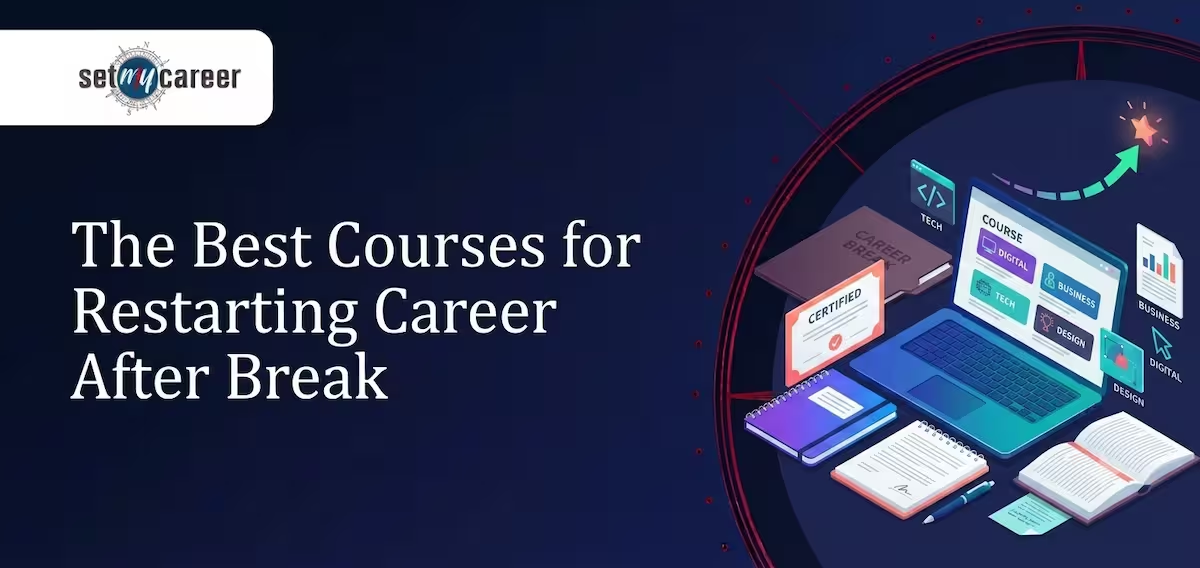
Choosing the right courses is essential for a successful career change after a break.
Career transition after a break requires choosing the right courses to rebuild professional skills.
The reality is that the modern workplace evolves rapidly, but a career hiatus does not erase your past experience or baseline talent. Rebuilding your professional momentum comes down to one strategic move: targeted upskilling. By investing in the right educational programs, you can bridge the knowledge gap, update your industry expertise, and re-enter the job market with renewed confidence. Taking proactive steps to learn new skills signals to employers that you are adaptable, driven, and ready to contribute.
This guide explores how to strategically choose your next educational step and highlights the most valuable courses for professionals looking to successfully relaunch their careers.
Essential Tips for Choosing the Right Course After a Career Break
Jumping into the first certification program you find can waste both time and money. To ensure a strong return on your investment, you need a targeted approach. Use these strategies to select a course that aligns with current market demands and your personal career goals:
- Reflect on your current interests and strengths: A career break offers a rare opportunity to pivot. Instead of automatically returning to your previous role, evaluate what truly excites you now. Assess the skills you naturally excel at and look for courses that build upon those foundational strengths.
- Explore emerging industry trends: The job market shifts constantly. Research the fastest-growing fields and job roles that did not exist—or were less prominent—when you last worked. Identifying courses that teach future-proof skills (like AI integration or automation) will make your resume stand out.
- Seek professional career guidance: Trying to navigate a career reboot alone can be confusing. Connect with mentors, former colleagues, or industry experts. Speaking with professionals who understand the current hiring landscape can provide invaluable direction.
- Utilize structured self-assessment tools: If you are entirely unsure of your next move, take a scientifically backed Psychometric Career Test. These assessments help uncover your natural aptitudes, work style preferences, and ideal professional environments.
- Scrutinize the course curriculum: Before enrolling, review the syllabus in detail. Does the program offer practical, hands-on projects, or is it purely theoretical? Ensure the coursework aligns with real-world job requirements and equips you with a portfolio of work to show employers.
- Consider flexibility and learning formats: Transitioning back into a study routine requires balancing existing responsibilities. Decide whether a self-paced online course, a live virtual bootcamp, or an in-person class best fits your current lifestyle and learning preferences.
- Review alumni success and job placement rates: A course is only as good as the results it delivers. Look for programs with transparent student outcomes, strong alumni networks, and dedicated career support services to assist with your job search upon completion.
- Align education with long-term aspirations: Avoid collecting random certificates. Choose a training path that fits into a broader, multi-year career strategy, setting you up for sustained growth and advancement rather than just an entry-level stepping stone.
5 High-ROI Courses for Rebuilding Your Career Path
Choosing the right qualifications can significantly accelerate your transition and position you for some of the highest-paying jobs in India and globally. Based on current employer demand and the versatility of the skills acquired, here are five highly effective training paths to consider:
1. Project Management Certification (PMP, CAPM, or Agile)
Every industry, from construction to software development, relies on professionals who can organize teams, manage budgets, and execute complex initiatives. Getting certified in project management proves you possess the rigorous organizational skills companies need. The Certified Associate in Project Management (CAPM) is excellent for those looking to formalize their knowledge, while the Project Management Professional (PMP) or Agile/Scrum certifications are ideal if you have prior management experience. These credentials are globally recognized and immediately signal your leadership capabilities to hiring managers.
2. Data Analytics and Business Intelligence
Modern businesses run on data, creating a massive demand for people who can interpret numbers and turn them into actionable business strategies. Courses focusing on data analytics, visualization tools (like Tableau or Power BI), and database querying (SQL) offer a phenomenal return on investment. Even a foundational understanding of data analysis can make you an invaluable asset in marketing, operations, finance, or human resources, allowing you to easily pivot across different sectors.
3. Digital Marketing and SEO
The digital landscape is constantly shifting, and companies are aggressively competing for online visibility. Upskilling in digital marketing—specifically Search Engine Optimization (SEO), paid media strategy, social media management, and conversion rate optimization—gives you a highly marketable skill set. The barrier to entry for digital marketing is relatively low, making it an excellent choice for creative, analytical professionals who want to quickly build a freelance portfolio while applying for full-time roles.
4. Coding and Full-Stack Web Development
If you have an affinity for logic and problem-solving, the technology sector remains one of the most lucrative and flexible industries for returning professionals. Completing a coding bootcamp focused on high-demand programming languages like Python, JavaScript, or full-stack web development opens doors to remote work and high starting salaries. Tech companies frequently prioritize practical coding abilities and portfolio projects over traditional, chronological work histories.
5. Professional Communication and Advanced Soft Skills
While technical abilities get you an interview, interpersonal skills secure the job and drive long-term promotions. Often overlooked, advanced soft skills like conflict resolution, emotional intelligence, cross-cultural communication, and strategic negotiation are heavily sought after by executive teams. Taking targeted workshops in leadership communication can polish your professional presence, helping you articulate your value confidently during interviews and effectively manage teams upon your return.
Conclusion
Restarting your career after a prolonged break is a significant transition, but it does not have to be an insurmountable obstacle. With a strategic approach to upskilling and a commitment to continuous professional development, you can effectively bridge your employment gap and position yourself for lasting success in a new role.
At SetMyCareer, we understand the unique logistical and emotional challenges of re-entering the workforce. Our experts specialize in career counselling for working professionals, providing the personalized guidance, assessment tools, and strategic support you need to navigate this transition confidently. Reach out today, and take the first definitive step toward reclaiming your professional narrative and achieving your highest career aspirations.