


Quick Summary
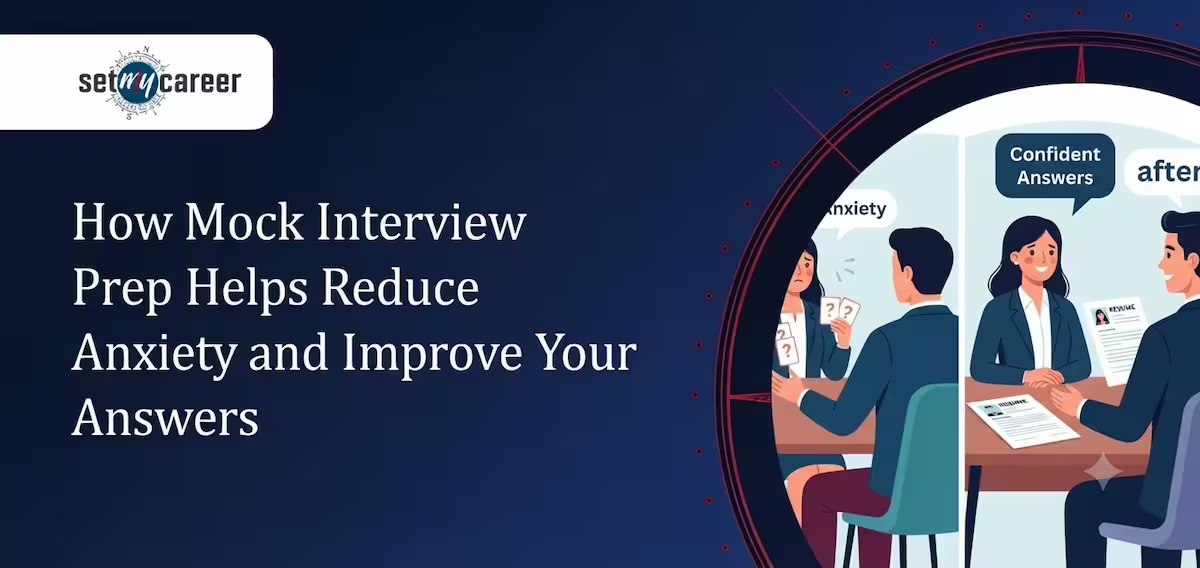
Preparing for a job interview can feel overwhelming, but structured mock interview prep transforms this anxiety into quiet confidence by simulating real-world hiring environments. Using proven tools like the STAR method for behavioral questions and leveraging detailed recruiting simulator feedback helps you refine your speech pacing, body language, and transferable skills. To guide you through this exciting journey, the experts at SetMyCareer provide personalized mock sessions and tailored coaching to help you highlight your unique strengths and land your dream role with confidence.
Introduction
Walking into a job interview can feel incredibly overwhelming. Whether you are a recent graduate looking for your first role or an experienced professional aiming for a major transition in 2026, it is completely natural to experience pre-interview jitters. Your heart races, your hands get sweaty, and suddenly, you worry you might forget your own career achievements. This anxiety often stems from a fear of the unknown, but you do not have to let nervous energy hold you back from landing your ideal role.
The key to overcoming this stress lies in structured mock interview prep. Practicing in a realistic, simulated environment helps demystify the hiring process and builds genuine confidence. This preparation goes far beyond memorizing responses; it teaches you how to structure your thoughts under pressure, refine your body language, and deliver clear, impactful answers that highlight your true potential to recruiters.
This guide explores exactly how dedicated mock interview prep transforms your readiness and reduces anxiety. You will learn practical strategies to calm your nerves, simple frameworks for answering tough behavioral questions, and actionable steps to turn your next job interview into a successful, confident conversation.
What is Mock Interview Prep and Why Does It Work?
Mock interview prep is a structured rehearsal process where job seekers practice answering real-world employment questions under simulated evaluation conditions. This training helps candidates refine their delivery, reduce performance anxiety, identify technical skill gaps, and build the muscle memory required to articulate their achievements naturally during actual hiring conversations.
Engaging in mock practices transforms how candidate brains respond to stressful situations. Standard preparation often involves passively reading through common questions and mentally formulating answers. While this builds theoretical knowledge, it fails to prepare the nervous system for the pressure of a live interview. Active practice, on the other hand, forces the brain to retrieve information on the spot, strengthening cognitive pathways and making real responses flow with ease.
Professional feedback is another essential element of this preparation style. When practicing alone, it is easy to overlook distracting habits, such as using filler words, avoiding eye contact, or trailing off at the end of an explanation. Structured practice shines a spotlight on these areas, offering clear opportunities for rapid correction before meeting with a hiring manager.
| Preparation Method | Mental Process Involved | Impact on Anxiety levels | Real-World Retention |
|---|---|---|---|
| Passive Reading | Recognition (familiarity with concepts) | High (untested under pressure) | Low to Moderate |
| Structured Mock Interview Prep | Active Retrieval (mental synthesis under stress) | Low (desensitized to the environment) | Very High |
By simulating the exact environment of a corporate interview room, candidates build a sense of familiarity. This familiarity turns nervous energy into focused, positive performance, allowing candidate skills and unique personality traits to stand out clearly during the final evaluation.
How to Prepare for Mock Interview Sessions Effectively
To prepare for a mock interview effectively, candidates must research the target role, select relevant industry questions, and establish a formal testing environment. This preparation requires setting clear performance goals, preparing specific professional anecdotes, and organizing necessary technical equipment to simulate an authentic corporate evaluation process.
An effective rehearsal requires systematic planning rather than casual conversation. Approaching a mock session without clear objectives minimizes its educational value. To gain maximum benefit, candidates should treat the mock session with the same level of respect and seriousness as the actual interview day.
Setting Up a Realistic Practice Environment
Creating a realistic environment is necessary to trigger the physiological responses experienced during a real evaluation. For virtual interviews, this involves configuring the camera angle at eye level, ensuring clean and professional background lighting, and closing all unrelated desktop tabs to prevent distractions during the session.
For in-person simulations, dressing in professional business attire is highly recommended. Wearing professional clothing influences posture, speech patterns, and confidence levels. Additionally, keeping a notepad and pen handy for notes, just as one would in an office setting, reinforces a professional mindset throughout the exercise.
Selecting the Right Practice Partner or Platform
The choice of a practice partner significantly affects the quality of the feedback received. While family and close friends offer wonderful emotional support, they may struggle to provide the objective, critical critique needed to identify subtle performance flaws. Working with qualified career coaches, industry peers, or using digital tools ensures the evaluation remains professional and accurate.
Using professional assessment services, such as the guidance plans offered by SetMyCareer, allows candidates to practice with seasoned mentors who understand contemporary corporate expectations. These specialists understand what recruiters search for and can guide candidates toward polishing their answers to meet industry benchmarks.
Actionable Mock Interview Preparation Online Tips
- Record Every Practice Session: Reviewing video recordings helps candidates identify unconscious habits, including fidgeting, look-away patterns, or speaking too quickly.
- Stick to Strict Timestamps: Limit responses to two minutes or less to practice delivering clear, concise answers without rambling.
- Simulate Tech Glitches: Practice remaining calm and professional if your internet connection drops or your microphone fails momentarily.
- Prepare Questions for the Interviewer: Always practice asking insightful questions at the end of the session to demonstrate genuine curiosity and industry awareness.
Mastering Behavioral Interview Questions with the STAR Method
Answering behavioural interview questions successfully requires structured storytelling that demonstrates problem-solving abilities and professional competence. By using a systematic communication framework, candidates can clearly outline their historical work achievements, explaining exactly how they managed complex challenges and delivered measurable, high-value outcomes for their previous employers.
Behavioral prompts often begin with phrases like "Tell me about a time when..." or "Give me an example of how you handled..." Recruiters use these queries because past performance remains the most accurate predictor of future workplace behavior. Without a structured formula, it is easy to share stories that wander off-topic or leave out the key details that evaluators want to hear.
Breaking Down the STAR Method Approach
The STAR method approach is a highly successful system designed to keep professional stories concise, well-structured, and impactful. By organizing narratives into four distinct phases, candidates make it easy for recruiters to follow their career stories and recognize their contributions.
| STAR Phase | Core Focus & Details | Suggested Time Allotment |
|---|---|---|
| Situation (S) | Describe the context, challenge, or problem faced. Keep it specific and brief. | 15% of response time |
| Task (T) | Explain the specific responsibility or goal that needed to be achieved in that situation. | 15% of response time |
| Action (A) | Detail the step-by-step actions taken to address the problem. Emphasize individual contributions. | 50% of response time |
| Result (R) | Share the positive, quantifiable outcomes, lessons learned, and long-term benefits of those actions. | 20% of response time |
Applying STAR to Common Behavioral Prompts
When practicing behavioral interview questions during a mock session, the candidate must focus heavily on the Action and Result phases. A common error is spent describing the Situation for too long, leaving very little time to explain the actual steps taken or the positive results achieved. Keeping the setup brief ensures the focus remains on the candidate's personal skills and expertise.
Consider preparing stories that address a wide range of common workplace scenarios. This ensures that when an interviewer asks for a specific example, there is a relevant story ready to share, minimizing long pauses and building confidence on the day of the interview.
To help build a well-rounded set of practice examples, focus on the following core professional scenarios:
- Resolving Professional Conflicts: Discuss a time when there was a disagreement with a colleague or client, and explain how open communication helped find a mutually beneficial solution.
- Managing Tight Project Deadlines: Outline a scenario where unexpected delays threatened a project, and show how careful planning kept everything on schedule.
- Learning from Mistakes: Share an instance where a project did not go as planned, explaining what was learned and how that knowledge improved future work.
- Taking Initiative: Highlight a moment when a problem was spotted in a standard process, and steps were taken to fix it without being asked.
Utilizing Recruiting Simulator Feedback to Refine Your Performance
Recruiting simulator feedback provides objective, data-driven analysis of a candidate's performance, measuring key variables like speech pacing, eye contact, and response structures. This automated assessment helps job seekers pinpoint subtle behavioral weaknesses, adjust body language, and systematically improve verbal delivery before presenting themselves to real corporate recruiters.
Modern technology has changed how candidates prepare for job interviews. High-quality recruiting simulators use advanced artificial intelligence to analyze video and audio recordings of practice sessions. This provides an unbiased look at performance, highlighting areas that human mock partners might miss during a casual practice session.
By studying this detailed feedback, candidates can make small, targeted changes to how they present themselves. For example, if the software points out that the user says "um" or "like" too often, they can practice taking a brief pause instead of using filler words. These minor adjustments help candidates sound much more professional and polished.
| Performance Metric | Optimal Range / Goal | Actionable Improvement Strategy |
|---|---|---|
| Speech Pacing | 130 to 150 words per minute | Incorporate intentional pauses at the end of key points to slow down. |
| Eye Contact Tracking | Maintain eye contact 70% to 80% of the time | Focus on the camera lens rather than looking at your own image on the screen. |
| Filler Word Frequency | Fewer than two filler words per minute | Practice silent breathing pauses when transitioning between thoughts. |
| Keyword Relevance | High alignment with the target job description | Weave core skills directly into behavioral stories. |
While automated tools provide exceptional data, combining them with human coaching creates the most effective preparation strategy. Artificial intelligence is excellent for tracking technical habits, but human coaches excel at evaluating the warmth, tone, and overall connection of a story. Balancing technology with professional human guidance offers candidates a comprehensive way to perfect their interview technique.
The Best Mock Interview Prep Strategy for Career Transitions
The best mock interview prep strategy for career transitioners focuses on translating existing competencies into industry-specific language that resonates with hiring managers. This structured approach helps candidates align transferable skills with new role requirements, ensuring their background looks highly relevant even when pivoting into completely new sectors.
Transitioning into a new industry can feel intimidating, particularly when competing against applicants with traditional backgrounds. However, most professional skills—such as project coordination, team leadership, data analysis, and relationship building—are highly valued across almost every industry. The secret lies in framing those skills so they perfectly match what the new employer needs.
Identifying Skill Gaps Through Career Assessment Tools
Before jumping into practice sessions, it is wise to identify any gaps between current skills and the requirements of the target role. Utilizing a career assessment checklist allows candidates to compare their actual experience with the job description, highlighting which areas need more focus during practice.
This systematic comparison helps candidates choose the best stories to share. If a new role requires strong data analysis skills, but previous positions focused mainly on general operations, the candidate can practice stories that show how they used data to improve those operational workflows.
To ensure a thorough review before practicing, confirm that the preparation plan covers these essential areas:
- Target Industry Vocabulary: Verify that common phrases and terminology from the previous sector are replaced with terms used in the target industry.
- Transferable Skills Audit: Create a list of past achievements that clearly show leadership, problem-solving, and adaptiveness, regardless of the industry.
- Addressing Employment Gaps: Practice speaking confidently and positively about career breaks or transition periods.
- Quantifiable Success Metrics: Ensure every career story includes clear, measurable results, such as time saved or revenue generated.
| Transition Stage | Mock Interview Focus Area | Desired Outcome |
|---|---|---|
| Initial Planning | Translating industry-specific jargon on resumes into universally understood terms. | Clearer communication that appeals to a broader audience. |
| Active Practice | Answering unexpected questions about the career change with confidence and positivity. | Showing the transition as a proactive, planned career move. |
| Final Polish | Conducting full-length simulations with experienced industry mentors. | Receiving final confirmation of interview readiness. |
Working with professional advisors at SetMyCareer can make a significant difference during a career transition. With personalized mock sessions and tailored feedback, candidates learn how to present their unique backgrounds as a major advantage, proving to potential employers that they bring fresh, valuable perspectives to the table.
Conclusion
Interview anxiety is entirely normal, but it does not have to stand between you and your career goals. By making structured mock interview prep a core part of your job search strategy, you turn an intimidating process into a familiar, manageable routine. This practice helps you control your nerves, refine your communication style, and structure your responses so that your actual skills and personality shine through clearly.
Think of mock interviews as a dress rehearsal for your success. The more you practice in a realistic, supportive environment, the more natural and assured you will feel when it matters most. It is not about memorizing perfect answers; it is about building the self-trust and adaptability needed to handle any question with ease.
At SetMyCareer, we are here to support you at every step of your professional journey. Our expert career mentors provide personalized mock interview prep designed to highlight your strengths, address your areas of improvement, and offer constructive, real-world feedback. Let us help you convert your interview anxiety into quiet confidence. Reach out to SetMyCareer today to schedule your practice session and take the next step toward landing your dream role.