




Quick Summary
Choosing the right career path today means looking beyond the paycheck to embrace flexible work benefits like hybrid options and remote stipends that boost your mental wellness and save you money. When exploring new job offers, it is essential to look past surface-level perks and evaluate the actual workplace culture to ensure your real-world output, rather than rigid screen-time monitoring, is valued. At SetMyCareer, our dedicated mentors are ready to guide you through these choices, empowering you to confidently build a balanced, successful career that fits your unique lifestyle.
Introduction
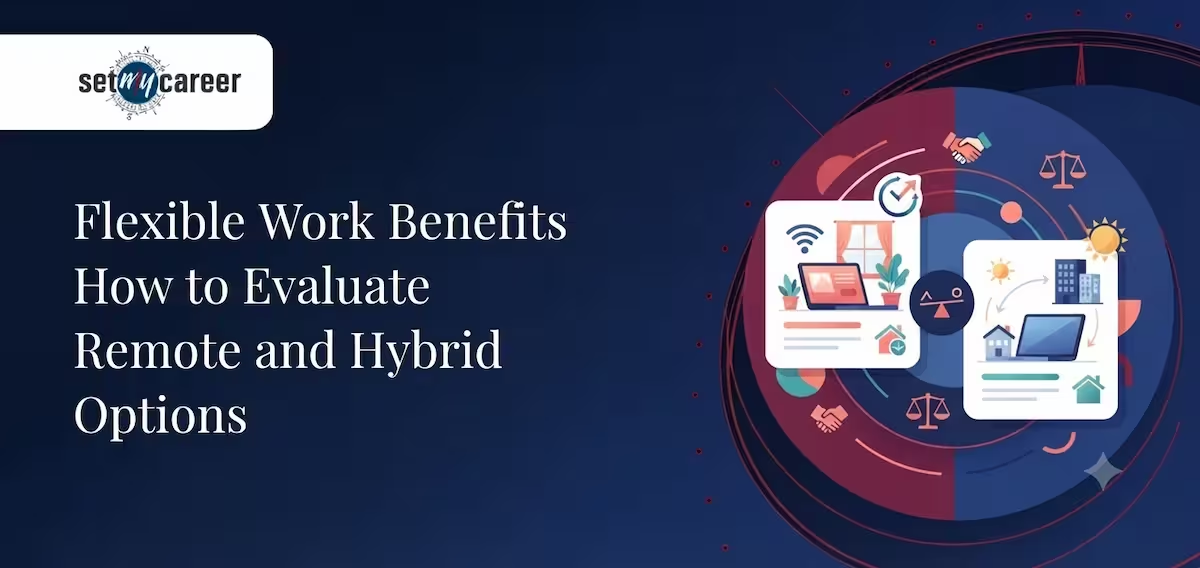
Choosing a job offer or planning your next career step is no longer just about the paycheck—how and where you work shapes your daily life. The shift toward modern work models has made flexible work benefits one of the most important factors for graduates, working professionals, and parents guiding their children toward sustainable career paths. Yet, with so many organizations offering different versions of remote and hybrid schedules, determining which option truly supports your long-term success can feel overwhelming.
Real flexibility goes well beyond avoiding a daily commute; it directly influences your work-life balance, productivity, mental health, and professional growth. Evaluating these perks requires looking past attractive job descriptions to understand an employer's actual workplace culture and expectations. At SetMyCareer, our goal is to bring clarity to these choices so you can select a work structure that fits your personal lifestyle and professional goals.
This guide offers practical, research-backed advice to help you evaluate remote and hybrid arrangements, understand the core value of flexible work benefits, and ask the right questions during job interviews. Whether you are entering the job market for the first time or negotiating your next career move in 2026, you will gain clear, actionable insights to help you make confident decisions for your future.
What Are Flexible Work Benefits in Modern Careers?
Flexible work benefits represent non-traditional workplace agreements that grant professionals control over when, where, and how they complete job responsibilities. These perks include remote stipend allowances, flexible hours policy choices, and hybrid options that support personal health alongside long-term professional career development.
In contemporary career planning, job seekers evaluate compensation packages beyond base salaries. Access to adaptive schedules allows individuals to balance family responsibilities, continuing education, and skill acquisition without sacrificing career progression. Employers who adopt these structures acknowledge that individual productivity varies across different environments and schedules.
Key Components of Flexible Work Arrangements
Modern workforce arrangements incorporate several customizable features tailored to different professional roles and personal needs:
- Core Hours Structure: Teammates align for collaborative meetings during designated middle-of-the-day windows while choosing when to complete independent tasks.
- Location Autonomy: Employees split time between home offices, regional hubs, or company headquarters based on project requirements.
- Compressed Workweeks: Staff complete standard weekly working hours across four days rather than five, securing extra dedicated rest days.
- Remote Work Stipends: Companies provide financial support to cover home office furniture, high-speed internet, and ergonomic equipment.
How Do Flexible Work Arrangements Improve Employee Wellness?
Flexible work arrangements enhance employee wellness by reducing daily commute stress, expanding personal autonomy, and promoting better work-life balance. When organizations offer flexible schedules, employees experience lower burnout, improved job satisfaction, and higher daily focus across their assigned professional tasks.
Prioritizing health within career choices leads to sustained professional energy and reduced turnover. By removing long daily commutes, individuals gain extra hours every week for physical exercise, adequate sleep, and meaningful family engagement.
Mental Health and Work-Life Balance Metrics
Research indicates that modern workplace autonomy yields direct improvements in personal health outcomes and organizational performance.
| Wellness Metric | Traditional Fixed Schedule | Flexible Work Model |
|---|---|---|
| Average Weekly Commute Time | 5 to 10 Hours | 0 to 3 Hours |
| Reported Stress Levels | High (Commute & Rigidity) | Moderate to Low |
| Daily Schedule Control | Employer Driven | Collaborative & Individual Choice |
| Burnout Risk Factor | Elevated | Significantly Reduced |
Sustaining Performance Through Flexible Hours Policy Options
A structured flexible hours policy provides workers with clear boundaries, preventing overwork while fostering accountability. When clear guidelines exist, team members can adjust their schedules to match personal peak focus periods.
- Asynchronous Communication: Teams utilize project management tools to share updates, eliminating unnecessary real-time status meetings.
- Predictable Availability: Clear calendar indicators inform colleagues when a worker is focused on deep tasks or available for discussions.
- Wellbeing Days: Dedicated time off policies encourage workers to recharge, preventing long-term mental fatigue.
What Are the Differences Between Remote, Hybrid, and On-Site Work Models?
Remote, hybrid, and on-site work models differ primarily in location requirements, daily commute commitments, and schedule autonomy. Remote models allow location independence, hybrid structures blend office and home work, while traditional on-site roles require consistent physical presence at company facilities.
Side-by-Side Model Comparison
Understanding the operational nuances of each model helps professionals select a career path that aligns with their personality and goals.
| Model Type | Primary Location | Key Benefits | Best Fit For |
|---|---|---|---|
| Fully Remote | Home Office / Choice | Maximum geographical freedom and zero commute | Independent self-starters and digital specialists |
| Hybrid Work Options | Split Office & Home | Balanced face-to-face collaboration and autonomy | Team-oriented professionals seeking flexibility |
| On-Site Work | Company Facility | Direct physical interaction and immediate hands-on access | Roles requiring specialized physical hardware |
Evaluating Remote Stipend Perks and Equipment Support
Top employers offering remote and hybrid work options provide additional benefits of flexible work arrangements through direct financial support. A comprehensive remote stipend covers essential technology, home office ergonomics, and monthly broadband bills. When assessing job offers, candidates should check whether allowances are one-time initial payments or recurring monthly benefits.
- Initial Technology Setup: Laptop, external monitors, ergonomic chair, and desk allowances.
- Monthly Utility Support: Reimbursement for high-speed home internet and mobile phone usage.
- Coworking Space Access: Monthly memberships for local shared workspaces when working from home is impractical.
Strategic Advantages for Career Growth and Talent Retention
Flexible work benefits create significant advantages for both employees and hiring organizations. For professionals, flexible scheduling removes geographical barriers, opening access to national and global career opportunities without requiring relocation.
How Flexible Hours Expand Career Opportunities Across Streams
Students and early-career professionals can leverage modern workplace flexibility to accelerate skill building and pursue higher education alongside work obligations.
- Parallel Learning: Professionals can complete industry certifications or postgraduate degrees while maintaining full-time roles.
- Geographic Access: Individuals residing in tier-2 or tier-3 cities can secure competitive roles in major technology hubs.
- Diverse Portfolio Building: Flexible schedules allow individuals to engage in cross-functional projects and cross-department mentorship.
Financial Benefits of Flexible Work Arrangements for Employees
Adopting flexible and remote arrangements generates direct savings for employees by eliminating daily travel expenses and work-related retail purchases.
| Expense Category | Annual Cost (Traditional On-Site) | Estimated Cost (Hybrid/Remote) | Potential Annual Savings |
|---|---|---|---|
| Commuting & Transit | $1,500 - $3,000 | $300 - $800 | $1,200 - $2,200 |
| Work Attire & Maintenance | $600 - $1,200 | $200 - $400 | $400 - $800 |
| Daily Dining & Coffee | $1,800 - $2,500 | $500 - $900 | $1,300 - $1,600 |
| Total Estimated Savings | $3,900 - $6,700 | $1,000 - $2,100 | $2,900 - $4,600 |
How to Evaluate Flexible Work Benefits During Job Interviews
Evaluating flexible work benefits during job interviews requires reviewing company policy documentation, asking specific operational questions, and assessing team culture. Candidates should clarify core hour expectations, remote stipend availability, and performance evaluation criteria to confirm true workplace flexibility.
Questions to Ask Employers About Hybrid Work Options
To determine if an organization truly supports employee wellness and flexible schedules, job seekers should ask clear, targeted questions during interview rounds:
- "How does the team handle communication across different time zones or flexible work hours?"
- "What specific equipment or monthly remote stipend support is provided to off-site team members?"
- "Are performance evaluations based on output and project completion rather than logged active hours?"
- "What percentage of leadership operates remotely or utilizes hybrid work options?"
Identifying Red Flags in Employer Work Policies
Not all flexible work claims reflect genuine policy implementation. Recognizing subtle indicators of rigid workplace cultures ensures candidates make well-informed career choices.
| Policy Feature | Healthy Flexible Culture | Red Flag / Rigid Culture |
|---|---|---|
| Time Tracking | Output-focused deliverable deadlines | Mandatory keystroke monitoring or active webcams |
| Communication Expectation | Asynchronous updates with reasonable response windows | Expectation of instant replies after standard hours |
| Promotion Pathways | Equal growth opportunities for remote and office staff | Promotions reserved primarily for physical office attendees |
| Policy Transparency | Documented guidelines for flexible hours policy | Vague verbal promises with no written documentation |
Evaluating Flexible Work Benefits for Your Career Success
Choosing between remote, hybrid, or traditional in-office roles is more than just a lifestyle choice—it is a critical decision that shapes your professional growth. While the various flexible work benefits, such as saved commute times and greater daily autonomy, are highly appealing, the right fit depends entirely on your personal working style, career stage, and long-term goals. A setup that works perfectly for one person might leave another feeling isolated or disconnected from growth opportunities.
As you weigh your options, remember to look at the bigger picture. Assess how a company's work culture supports collaboration, mentorship, and skill development from a distance. Evaluating these factors carefully ensures that you do not just find a job that is convenient today, but one that actively nurtures your professional journey for years to come.
If you are finding it difficult to analyze these options or want to ensure your next career move aligns with your true potential, you do not have to figure it out alone. At SetMyCareer, our experienced career mentors are ready to help you clarify your goals, assess your options, and choose the ideal path for your future. Get in touch with us today for a personalized counseling session and take the next step toward a balanced, fulfilling career with confidence.