





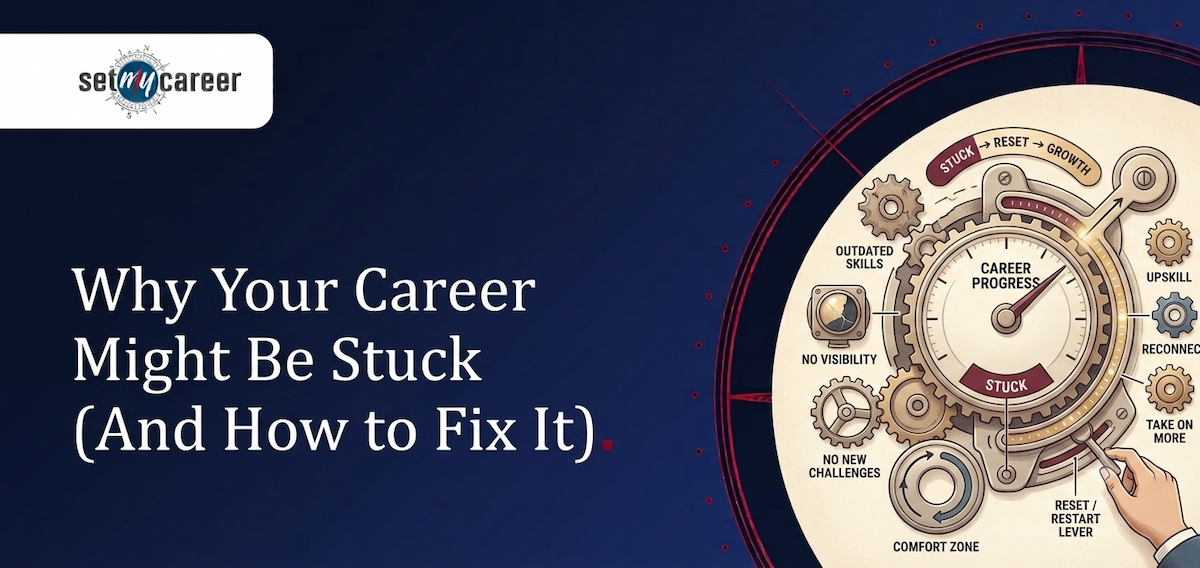
Most professionals enter the workforce with a clear sense of momentum. They have ambition, energy, and a vision of steady progress—promotions, salary increases, expanding responsibilities, and meaningful achievements. In those early years, learning happens naturally because almost every task is new.
Eventually, the learning curve flattens. Work becomes manageable, then predictable, and finally automatic. Years pass quietly. You master your day-to-day duties, complete your assignments on time, and earn reliable performance reviews. On the surface, everything seems fine. Yet, beneath that routine, real growth has stalled.
The insidious thing about career stagnation is its subtlety. It rarely feels like a crisis while it is happening. Instead, it feels like stability—until you notice peers moving into strategic roles, younger colleagues bringing fresher skill sets, or recruiters passing over your profile. The gap between where you are and where you expected to be isn't a lack of talent or effort. More often, it stems from a gradual decline in intentionality. Recognizing this dynamic early is essential for long-term career growth.
Why Careers Stop Growing: The Comfort Zone Trap
Career plateauing is seldom caused by sudden incompetence or lack of intelligence. In most instances, it is the unintended consequence of professional comfort.
Once you secure a stable role and understand how to navigate your company's systems, the urge to push boundaries wanes. Your daily focus shifts from building long-term career leverage to managing short-term task lists. You become exceptionally good at your current job, but stop preparing for your next one.
While you remain comfortable in a familiar routine, the external environment continues to evolve. Industries restructure, modern technologies automate repetitive processes, and organizations reprioritize the capabilities they value most. Remaining stationary in a moving market means falling behind. By the time many professionals realize their skills have drifted out of alignment with market demands, closing the gap requires considerable effort.
The Power of Continuous Skill Development
The single most common denominator among stagnant careers is a pause in deliberate learning. In earlier decades, a university degree and a few years of initial experience could carry a professional through a thirty-year career. Today, the half-life of professional skills is shorter than ever.
To stay competitive, professionals need to build a balanced skill set—combining deep expertise in a specific domain with broad working knowledge across adjacent fields. This keeps you adaptable when industry requirements shift.
Practical Ways to Integrate Learning into a Busy Schedule
- Targeted Online Education: Structured programs allow you to gain specialized knowledge without interrupting your full-time role. A great place to start is exploring the best online certifications to boost your career in high-demand areas like data analytics, project management, or digital strategy.
- Micro-Learning and Industry Seminars: Attending targeted webinars, reading industry whitepapers, and listening to specialized podcasts keep you informed on emerging trends and sector shifts.
- Technical and Tool Mastery: Consistently learning new software, automation tools, or platforms used in your field ensures your technical output remains modern and efficient.
- Core Soft Skill Refinement: Hard skills get you hired, but persuasion, clear written communication, conflict resolution, and cross-functional leadership determine how far you advance.
Every new capability you acquire opens up additional career paths. Conversely, relying solely on legacy knowledge gradually narrows your options.
Stepping Outside Your Comfort Zone: Embracing Stretch Assignments
Meaningful professional growth rarely happens while executing familiar tasks. High-performing professionals build momentum by seeking out "stretch assignments"—projects that require capabilities slightly beyond their current comfort zone.
Volunteering for challenging assignments signals to leadership that you possess initiative and capacity for growth. These opportunities might include:
- Leading a cross-departmental task force addressing a complex operational problem.
- Mentoring junior team members to build formal management capabilities.
- Presenting research or strategy proposals directly to executive leadership.
- Taking ownership of underperforming projects or unassigned initiatives.
These experiences do more than stretch your technical abilities; they build emotional resilience and comfort with ambiguity. Decision-makers pay attention to professionals who step forward when challenges arise, making them the logical choice when senior positions open up.
Building a Strategic Professional Network
A significant portion of career advancement occurs outside formal job boards and application portals. Executive searches, strategic hires, and high-value project assignments are frequently filled through existing professional relationships.
Effective networking is not about collecting contacts or asking for immediate favors. It is about building a network of mutual trust, shared insight, and professional respect over time.
How to Cultivate Meaningful Professional Connections
- Focus on Value First: Approach networking with a mindset of contribution. Share helpful articles, offer feedback, or connect people in your network who could benefit from knowing each other.
- Engage Across Organizations: Don't limit your network to your immediate team or company. Participate in industry associations, specialized online communities, and alumni groups.
- Nurture Relationships Consistently: Reach out periodically to former colleagues, mentors, and industry peers without needing a specific favor. Simple check-ins keep connections active and natural.
A strong professional network acts as an early-warning system for industry shifts and gives you visibility into opportunities long before they are publicly posted.
How to Recognize the Early Signs of Career Stagnation
Because career plateaus happen gradually, many professionals don't realize they are stuck until years have passed. Catching the early warning signs allows you to make corrections before your career trajectory flattens completely.
| Warning Sign | What It Looks Like in Practice | Recommended Action |
| Static Skill Set | You haven't learned a new software tool, methodology, or core competency in over 12 months. | Audit your industry's top job postings to identify skill gaps, then enroll in targeted training. |
| Unchanged Scope | Your day-to-day responsibilities look identical to what you were doing two or three years ago. | Request a meeting with your manager to ask for stretch projects or elevated ownership. |
| Lack of Challenge | You can complete your entire week's work on autopilot without experiencing intellectual friction. | Seek out complex cross-functional initiatives or explore external opportunities that demand growth. |
| Compensation Plateau | Your income growth has stalled or barely keeps pace with cost-of-living adjustments. | Benchmark your salary against market standards; evaluate if your current company offers clear financial progression. |
| Goal Disconnection | You no longer know what position you are working toward or feel indifferent about your long-term career path. | Conduct a thorough career assessment or explore a strategic career transition to regain alignment. |
If several of these indicators describe your current situation, it is time to stop operating on autopilot. Recognizing these patterns gives you the opportunity to re-evaluate your goals, explore new directions, or consider seeking professional support to map out a clear path forward.
Taking Active Control of Your Career Trajectory
One of the most empowering shifts in a professional life is recognizing that your career path is your responsibility—not your manager's, HR's, or your employer's. While organizational culture and economic conditions influence opportunities, your choices dictate your ultimate trajectory.
A Practical Framework for Active Career Management
- Conduct Quarterly Career Audits: Set aside time every three months to assess your progress. Ask yourself: What new skills did I acquire this quarter? What high-impact results did I deliver? Am I closer to my long-term goals?
- Initiate Explicit Career Conversations: Don't wait for annual reviews to discuss your future. Schedule dedicated check-ins with your manager to discuss your career progression, performance benchmarks, and desired responsibilities.
- Maintain an Updated Professional Profile: Keep your resume, portfolio, and LinkedIn profile current—even when you aren't actively job hunting. Documenting achievements as they happen ensures you are always ready when opportunities arise.
- Get Objective Outside Perspectives: When you feel stuck or unsure of your next move, an objective outside view can help you see options you might overlook on your own. Knowing when is the right time to take career counseling can save you months or years of trial and error by providing structured clarity and a personalized action plan.
Small, deliberate actions taken consistently produce massive compounding results over time. Taking control of your career means making intentional choices today rather than reacting to circumstances tomorrow.
Conclusion
Career stagnation is rarely the result of a single bad decision. It is the cumulative effect of small, comfortable choices made day after day—staying in a familiar role too long, skipping learning opportunities, and avoiding challenging projects. Because it happens gradually, it is easy to ignore until momentum has completely stalled.
The encouraging reality is that you can change your career trajectory at any point. By committing to continuous learning, stepping into stretch assignments, cultivating a strong network, and regularly auditing your progress, you rebuild professional momentum.
Take a moment to look ahead five years. The position you occupy then will depend on the decisions you make today. Choosing to invest in your skills, expand your responsibilities, and manage your direction intentionally ensures your career continues to grow, evolve, and remain deeply fulfilling.