






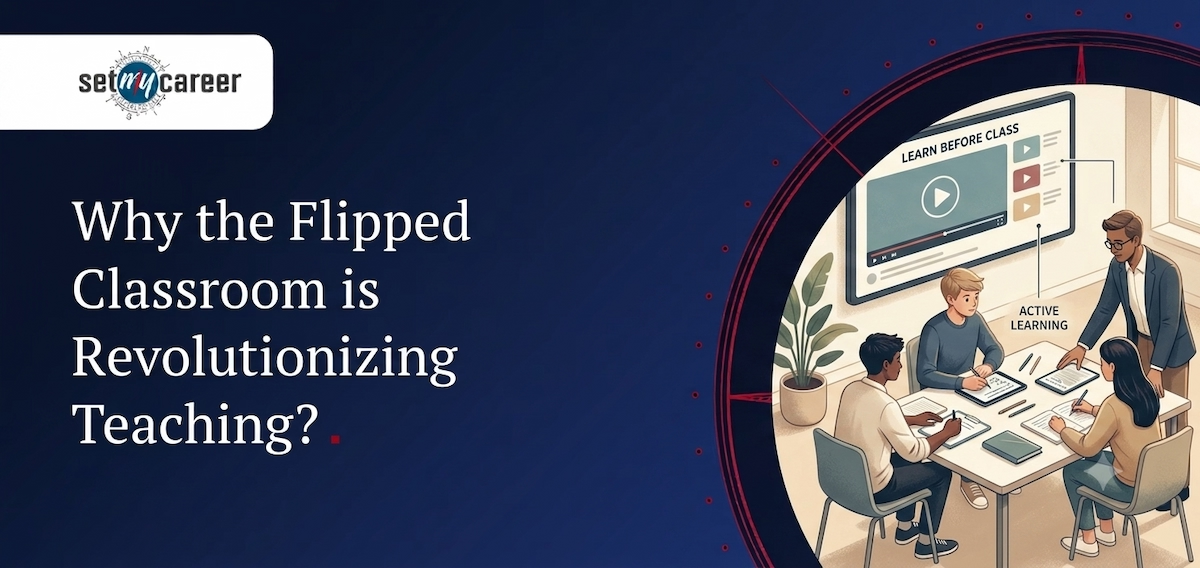
Imagine walking into a classroom where the lecture is already finished before the bell even rings. Instead of sitting quietly while a teacher speaks at the front of the room, students immediately dive into lively discussions, tackle complex problems, and collaborate on hands-on projects. This dynamic, highly engaging environment is the hallmark of the flipped classroom approach.
Career guidance for students adapts to innovative teaching methods like the flipped classroom.
For generations, the standard educational model has positioned students as passive receivers of information. The flipped model fundamentally changes this dynamic, turning students into active participants who take immediate ownership of their education. This pedagogical shift has captured the attention of educators worldwide because it transforms a standard room of listeners into a vibrant hub of practical application. By prioritizing interaction over passive listening, the flipped classroom fosters deeper connections between students and their peers, as well as with their instructors.
As educational strategies continue to evolve, this model is gaining immense traction. It challenges students to think critically, collaborate naturally, and steer their own academic progress, ultimately making formal education far more effective and responsive to individual needs.
What is a Flipped Classroom Model?
The flipped classroom is an instructional strategy that reverses the traditional learning environment. Under this model, students are introduced to new material at home—typically through pre-recorded video lectures, podcasts, or assigned reading. Class time, which was historically reserved for lecturing, is repurposed for activities that reinforce and deepen that new knowledge.
This approach transforms the classroom into a laboratory for applied learning. Rather than spending valuable face-to-face time delivering basic facts, educators guide students through group projects, peer reviews, and complex problem-solving exercises.
Take a middle school science class learning about the water cycle as a practical example. In a traditional setting, the teacher spends forty minutes drawing diagrams on a board while students take notes. In a flipped setting, the teacher assigns a short, engaging video explaining evaporation, condensation, and precipitation for homework. The next day, students walk in ready to apply that knowledge. They might spend the period building physical models of the cycle using craft materials, discussing the environmental impact of droughts in small groups, or conducting a hands-on evaporation experiment.
By interacting with the material in real-time while the teacher is present to answer nuanced questions, students transition from simply memorizing facts to genuinely understanding core concepts.
Key Benefits of the Flipped Classroom Model
Flipping the instructional flow offers several profound advantages that fundamentally improve how students absorb and retain information.
More Engaging and Active Learning
By moving the passive act of listening to a lecture outside of school hours, class time is freed up for high-value interactive activities. Instead of fighting fatigue during a long presentation, students spend their classroom hours actively working on projects, debating concepts, and solving problems. This hands-on approach naturally sustains attention and makes the learning process significantly more enjoyable.
Personalized Pacing for Every Student
One of the most persistent challenges in education is teaching to a room of mixed abilities. The flipped classroom allows students to consume foundational material at a speed that works for them. A student who struggles with a complex math equation can pause, rewind, and replay a video tutorial until it clicks, without feeling the social pressure of slowing down the rest of the class. Conversely, fast learners can move through the material quickly without growing bored.
Highly Optimized Class Time
When lectures are displaced to the home environment, teachers reclaim their most valuable resource: face-to-face time. This allows educators to act as mentors and facilitators rather than just presenters. They can circulate the room, identify which students are struggling with specific concepts, and offer targeted, one-on-one interventions right when the student needs it most.
Stronger Student-Teacher Interaction
This model naturally breaks down the invisible barrier between the podium and the desks. Because classroom time is built around application and discussion, students have far more opportunities to ask questions and receive immediate, personalized feedback. This creates a highly supportive environment where students feel seen and academically supported.
Enhanced Peer-to-Peer Collaboration
A flipped classroom relies heavily on group work. As students navigate activities together, they develop vital soft skills like communication, empathy, and teamwork. Explaining a concept to a peer often solidifies the explainer’s own understanding, creating a collaborative ecosystem where students actively teach and learn from one another.
Flipped Classroom vs. Traditional Classroom: Core Differences
To truly understand the value of this pedagogical shift, it helps to compare the two methods side-by-side.
| Aspect | Flipped Classroom | Traditional Classroom |
| Learning Approach | Students consume new concepts independently via videos, readings, or podcasts outside of school hours. | Students are introduced to new concepts simultaneously through live lectures during class time. |
| Class Time Usage | Reserved entirely for engaging activities, group projects, debates, and complex problem-solving. | Consumed primarily by direct teaching, note-taking, and passive listening. |
| Student Engagement | Consistently high. The environment demands active participation and continuous cognitive application. | Highly variable. Engagement often dips due to the passive nature of listening to long lectures. |
| Pace of Learning | Highly individualized. Students review initial materials at their own speed before applying them. | Standardized. Every student must follow the single pace set by the instructor’s live delivery. |
| Teacher’s Role | Serves as an active facilitator and mentor, moving around the room to offer targeted guidance. | Functions as the primary deliverer of content, stationed at the front of the room. |
How to Implement the Flipped Classroom Model
Transitioning from a traditional teaching style to a flipped approach requires intentional planning. Here is a practical framework for educators looking to make the switch successfully:
- Curate and Prepare High-Quality Content: You don't have to record every video yourself. Curate existing, highly engaging videos, podcasts, and readings that cover the necessary concepts clearly. If you do record your own material, keep it concise and focused.
- Communicate the Shift Clearly: A new learning model can confuse students and parents at first. Clearly articulate how the flipped model works, why you are adopting it, and what the new expectations are regarding at-home preparation.
- Establish a Predictable Routine: Set a consistent weekly schedule. Students need to know exactly when their independent learning tasks are due and how those tasks will connect to upcoming classroom activities.
- Design Robust In-Class Activities: The success of the model relies entirely on what happens in the classroom. Plan exercises that force students to apply their at-home learning. For instance, students preparing for high-stakes assessments, such as 10th and 12th-grade board exams, can use class time to collaboratively solve complex past papers while the teacher helps them navigate difficult questions in real time.
- Leverage the Right Technology: Utilize learning management systems (LMS) to distribute videos, host pre-class quizzes, and track completion. Crucially, ensure that every student has equitable access to the necessary internet and hardware at home.
- Monitor Progress and Provide Support: Keep a close eye on who is actually completing the at-home work. Offer alternative viewing options for those facing tech barriers, and use short introductory quizzes to check comprehension before the main classroom activity begins.
- Promote a Collaborative Culture: Structure your classroom physically and culturally to encourage teamwork. Arrange desks in pods rather than rows, and establish clear ground rules for respectful peer feedback.
- Gather Ongoing Feedback: Regularly ask your students how the process is working for them. Are the videos too long? Are the in-class activities too difficult? Use their insights to refine your approach.
- Evaluate and Iterate: Treat your first flipped unit as a pilot program. Assess academic performance and student engagement levels, and be willing to tweak your content and strategies based on real-world results.
- Foster a Growth Mindset: Transitioning to active learning can be frustrating for students who are used to simply memorizing lectures. Encourage them to take ownership of their education, reminding them that making mistakes during in-class practice is a vital part of the learning process.
Conclusion
The flipped classroom model is fundamentally revolutionizing the educational landscape by making learning more engaging, highly personalized, and undeniably effective. By turning traditional teaching methods upside down, educators provide students with the time and space they need to actively participate, critically analyze, and collaborate with their peers.
Beyond academic performance, this shift can drastically reduce student stress. By allowing learners to absorb new information at their own pace and providing expert support during the hardest part of the learning cycle—the actual application of knowledge—schools can help mitigate the anxiety that often accompanies intense study periods.
If you are exploring how innovative educational pathways and modern learning strategies align with your personal or professional aspirations, reach out to SetMyCareer. Our experts are here to guide you toward your career goals and help you maximize your potential in today's dynamic learning environments.