






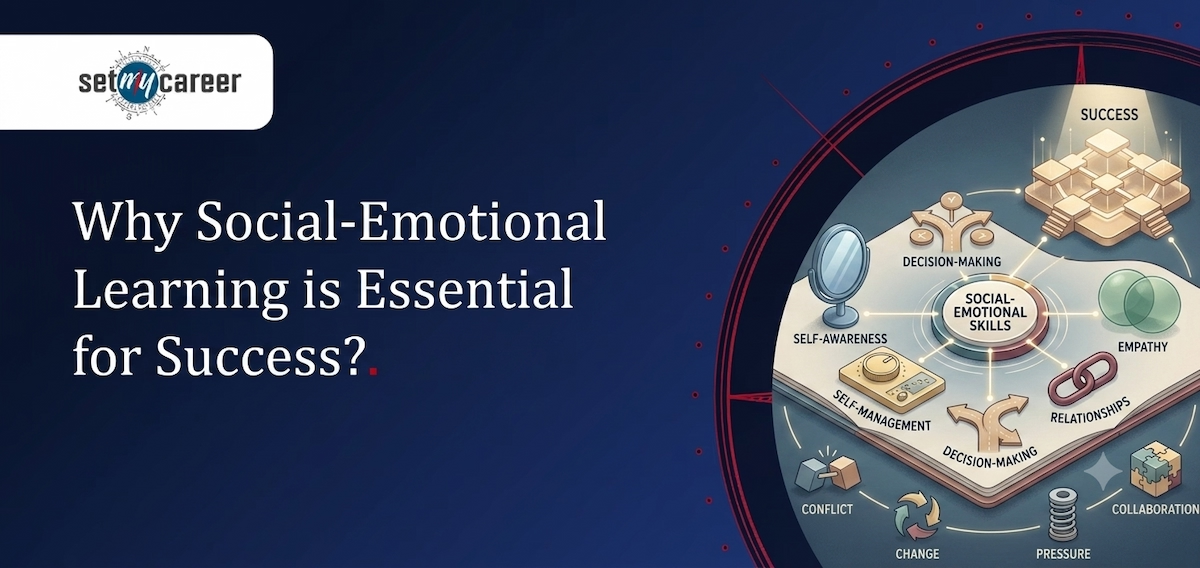
Education is no longer just about memorizing formulas and historical dates. We now recognize that emotional intelligence and interpersonal skills are just as critical to a student's long-term success as traditional academics. Social-Emotional Learning (SEL) bridges this essential gap. It provides a structured framework to teach students how to navigate personal challenges, regulate their emotions, and build meaningful connections with others.
Career guidance for students recognizes why social emotional learning is essential for long-term success.
By integrating SEL into daily routines, we prepare children and adults to handle stress, communicate effectively, and lead with empathy. These are not merely classroom survival skills; they are lifelong competencies that fundamentally shape how we perform at work, sustain healthy relationships, and contribute positively to our communities.
What is Social-Emotional Learning (SEL)?
Social-Emotional Learning (SEL) is an educational and developmental process designed to help individuals acquire the skills necessary to process emotions, set constructive goals, and practice genuine empathy. Rather than treating emotional intelligence as an afterthought, SEL weaves these concepts directly into the learning environment. It equips individuals with practical tools to navigate social complexities, resolve interpersonal conflicts, and make ethical choices.
For parents and educators, SEL provides a clear roadmap to support a child’s emotional development. When students learn to understand their internal triggers and how to interact with their social environment, they build profound resilience. This foundational emotional strength translates directly into better academic performance and lays the groundwork for thriving in future professional environments.
The 5 Core Components of Social-Emotional Learning
To effectively build emotional intelligence, SEL frameworks typically focus on five interconnected competencies that contribute to overall personal growth.
1. Self-Awareness
This is the foundational ability to accurately recognize your own emotions, thoughts, and core strengths. Self-awareness allows students to understand how their internal state directly influences their outward behavior. For example, a student who recognizes they are feeling highly anxious before a major exam can acknowledge that emotion and address it, rather than acting out in frustration or shutting down completely.
2. Self-Management
Building directly on self-awareness, self-management involves actively regulating those emotions and behaviors across different, often stressful, situations. It covers vital skills like stress management, impulse control, and personal goal setting. A student practicing good self-management can stay motivated during a difficult project and resist the urge to quit when faced with a sudden setback.
3. Social Awareness
This element shifts the focus outward, teaching individuals to understand and respect the perspectives of others. Social awareness is deeply rooted in empathy. It involves recognizing nonverbal social cues, appreciating diversity, and understanding community norms. When students develop this skill, they actively contribute to a more inclusive, supportive, and safe classroom environment.
4. Relationship Skills
Healthy connections require clear communication, active listening, and constructive conflict resolution. Relationship skills empower students to work collaboratively in diverse teams, resist inappropriate peer pressure, and seek help when they genuinely need it. Learning how to navigate a disagreement with a peer respectfully prevents minor misunderstandings from escalating into serious behavioral conflicts.
5. Responsible Decision-Making
The final pillar involves making ethical, constructive choices regarding personal behavior and social interactions. It requires evaluating the potential consequences of various actions and heavily considering the well-being of oneself and others. Responsible decision-making helps students pause and think critically before they act, naturally leading to safer, more positive long-term outcomes.
Key Benefits of Implementing SEL Programs
Social and Emotional Learning offers numerous, measurable advantages that contribute to a well-rounded education. When these principles are consistently applied, the benefits extend far beyond the classroom walls.
- Improved Academic Performance: Emotional regulation directly impacts cognitive focus. When students are not overwhelmed by unmanaged stress or peer conflicts, their concentration improves, which consistently leads to better grades and higher knowledge retention.
- Better Emotional Regulation: SEL equips individuals with practical coping mechanisms. Learning to navigate anxiety, anger, or frustration creates a much calmer, more productive learning environment for everyone involved.
- Enhanced Social Skills: Developing deep empathy and advanced communication techniques ensures students can build healthy, lasting relationships with peers, teachers, and eventual colleagues.
- Reduced Behavioral Problems: By teaching self-control and conflict resolution proactively, schools see a significant decrease in disruptive behaviors, disciplinary actions, and bullying incidents.
- Long-Term Professional Success: Modern workplaces highly value emotional intelligence. The problem-solving, teamwork, and adaptability skills learned through SEL translate directly into effective leadership and long-term career stability.
How to Incorporate SEL into the Classroom
Integrating SEL does not always require a complete curriculum overhaul. Small, consistent daily practices can fundamentally transform a classroom's climate and culture. Here are several effective ways to include these concepts:
- Start with Morning Check-Ins: Dedicate the first few minutes of the day to evaluating student well-being. A simple daily check-in allows students to vocalize how they feel, helping educators gauge the room's energy while building immediate trust.
- Weave SEL Through Academic Lessons: You can easily teach empathy by analyzing characters in literature, or highlight teamwork through collaborative science projects. Connecting academic topics to real-world social scenarios makes the material far more engaging.
- Be a Consistent Role Model: Students learn primarily by observing adults. Demonstrate active listening, patience, and calm problem-solving when navigating inevitable classroom disruptions.
- Practice Mindfulness Exercises: Introduce short periods of deep breathing, guided visualization, or quiet reflection. These brief mental resets help lower cortisol levels and dramatically improve attention spans before difficult tasks.
- Utilize Structured SEL Programs: Leverage evidence-based frameworks and activities specifically designed by educational psychologists to target the five core competencies effectively.
- Encourage and Reward Positive Behavior: Publicly acknowledge and praise students when they demonstrate collaboration, compassion, or emotional maturity. This reinforces the idea that character skills are just as valuable as high test scores.
Conclusion
Incorporating Social-Emotional Learning into education and personal development is far more than an administrative trend; it is a fundamental requirement for holistic success. By prioritizing self-awareness, empathy, and responsible decision-making, we empower individuals to thrive academically while building the emotional resilience necessary to face the real world.
Whether you are an educator aiming to transform your classroom culture or a parent looking to support your child’s emotional growth, the principles of SEL provide a highly effective, actionable roadmap. If you are ready to explore how emotional intelligence can unlock new professional and personal opportunities, connect with our experts at SetMyCareer to discover tailored guidance for a balanced, successful future.