






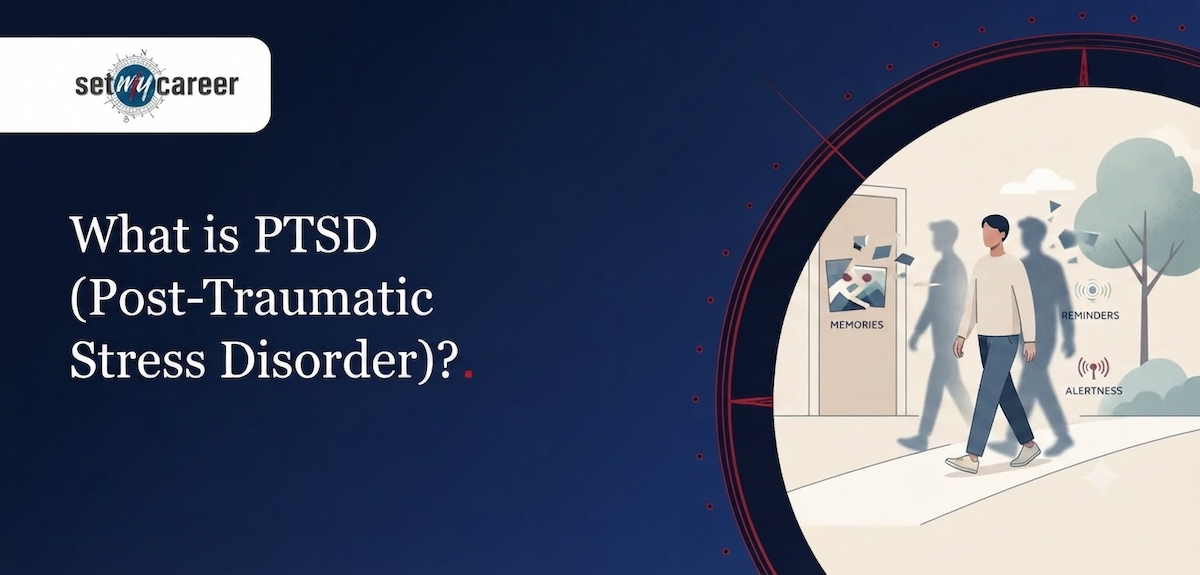
Understanding Post-Traumatic Stress Disorder (PTSD)
Surviving a deeply distressing or life-threatening event is only the first part of the battle. For many individuals, the aftermath brings an invisible, ongoing struggle where the mind and body continue to react as if the danger never passed. This lingering, persistent distress is the defining characteristic of Post-Traumatic Stress Disorder (PTSD).
Career counselling provides support for individuals managing PTSD in their career journey.
PTSD is not a sign of weakness or an inability to simply "move on." Rather, it is a complex psychological and biological response to overwhelming trauma. While it is completely normal to feel unsettled after a terrifying experience, a person suffering from PTSD remains stuck in a state of high alert long after the event has ended. In this guide, we break down what PTSD actually is, how it alters daily life, and the most effective, evidence-based strategies for reclaiming your sense of safety and well-being.
Common Traumatic Events That Can Trigger PTSD
While PTSD is often associated with military service, it can affect anyone who has lived through an intensely traumatic situation. Some of the most common catalysts include:
- Natural Disasters: Surviving catastrophic events like earthquakes, floods, hurricanes, or wildfires often shatters a person's fundamental sense of environmental safety and predictability.
- Serious Accidents: High-impact events, such as severe car crashes or industrial workplace accidents, can leave deep psychological scars long after the physical injuries have healed.
- Physical or Sexual Assault: Interpersonal violence severely violates personal boundaries and trust, making it one of the most frequent precursors to developing PTSD.
- Combat and Military Experience: Veterans and active-duty service members are frequently exposed to life-threatening danger, high-stress environments, and moral injury during warfare.
- Witnessing Severe Violence: You do not have to be the direct victim to experience trauma. First responders, medical professionals, or bystanders who witness severe injuries, fatalities, or domestic violence are also at significant risk.
Core Symptoms and Signs of PTSD
Mental health professionals typically categorize PTSD symptoms into four distinct clusters. Identifying these signs early is a crucial step in seeking the right support. The most common symptoms include:
- Intrusive Memories and Re-experiencing the Trauma: Individuals often suffer from vivid flashbacks, causing them to feel as though the traumatic event is happening all over again in real time. This cluster also includes recurring, distressing nightmares and severe physical reactions to triggers that resemble the trauma.
- Avoidance Behaviors: To protect themselves from severe distress, someone with PTSD will often go to great lengths to avoid places, people, objects, or conversations that remind them of the event. Over time, this can lead to severe social withdrawal and isolation.
- Hyperarousal and Reactivity: The nervous system remains locked in a constant "fight or flight" state. This manifests as a heightened startle response, chronic irritability, sudden angry outbursts, hypervigilance (always being on guard), and severe insomnia.
- Negative Changes in Mood and Cognition: Trauma can fundamentally alter how a person views themselves and the world around them. This includes pervasive feelings of guilt or shame, emotional numbness, a deep sense of hopelessness, and a complete loss of interest in previously enjoyed activities.
What Causes PTSD? The Psychology and Biology of Trauma
PTSD is rarely caused by a single factor. It arises when an overwhelmingly stressful event short-circuits the brain’s natural ability to process and file away memories. The development of the disorder relies on a complex interplay of environmental, biological, and personal variables:
- The Traumatic Event Itself: The severity, duration, and proximity to the trauma heavily influence the outcome. For example, events involving intentional human harm tend to carry a higher risk of triggering long-term trauma than accidental events.
- Biological Factors and Brain Chemistry: Severe trauma physically alters brain function. In people with PTSD, the amygdala (the brain's threat-detection center) becomes hyperactive, while the hippocampus (the area responsible for processing memories) can shrink. This prevents the brain from recognizing that the threat is firmly in the past.
- Personal History and Resilience: Individual background plays a substantial role. A history of childhood trauma, existing mental health conditions like anxiety or depression, and the lack of a strong support system immediately following the event can drastically increase a person's vulnerability.
- Environmental Stressors: Ongoing instability makes recovery incredibly difficult. High levels of chronic stress—such as financial crises or remaining in an unsafe living situation—prevent the nervous system from returning to a baseline state of calm.
Effective Treatment and Management Strategies for PTSD
Navigating PTSD can feel overwhelming, but the condition is highly treatable. Recovery rarely means forgetting the event entirely; rather, it means stripping the traumatic memory of its paralyzing emotional charge. A comprehensive treatment plan usually involves a combination of the following approaches:
- Evidence-Based Psychotherapy: Trauma-focused therapies are the gold standard for clinical treatment. Cognitive Behavioral Therapy (CBT) helps reframe negative thought patterns, while Eye Movement Desensitization and Reprocessing (EMDR) helps the brain safely reprocess traumatic memories so they are no longer emotionally overwhelming.
- Medication Management: Psychiatrists frequently prescribe medications to help regulate brain chemistry. Antidepressants, specifically SSRIs or SNRIs, are commonly utilized to reduce the intensity of core symptoms like severe anxiety, depression, and hyperarousal.
- Building Strong Support Networks: Trauma thrives in isolation. Reconnecting with trusted family members, friends, or participating in specialized PTSD support groups provides essential validation. Talking with others who have navigated similar psychological terrain is profoundly healing.
- Somatic and Self-Care Practices: Because trauma is stored in the physical body, cognitive therapy is often paired with body-based practices. Regular cardiovascular exercise, trauma-informed yoga, mindfulness meditation, and deep diaphragmatic breathing can help regulate the nervous system and decrease daily anxiety.
- Incremental Goal Setting: Rebuilding a life after trauma requires immense patience. Setting small, manageable daily goals helps restore a sense of personal agency and control, breaking the cycle of helplessness that PTSD often creates.
Conclusion: Taking the First Steps Toward Healing
Navigating life with Post-Traumatic Stress Disorder is undeniably challenging, but you do not have to carry the heavy weight of trauma indefinitely. By understanding the root causes of the condition and recognizing the core symptoms early, you empower yourself to seek targeted, evidence-based care. Whether through specialized trauma therapy, strategic medication management, or robust lifestyle adjustments, restoring your peace of mind is an entirely attainable goal.
If you or someone you care about is struggling to move past a traumatic experience, professional psychological counseling offers a safe, structured space to begin the healing process. Reach out to the experts at SetMyCareer to find the guidance, resources, and compassionate support you need to reclaim your well-being and build a highly resilient future.