






Think about someone who instantly commands respect and warmth the moment they walk into a room. Is it just their physical appearance? Rarely. What you are actually responding to is their personality—their quiet confidence, genuine empathy, and effortless ability to connect with the people around them.
Career counselling often includes personality development to enhance professional growth and success.
Personality development is the deliberate practice of becoming your best self, both personally and professionally. It involves actively building foundational traits like emotional resilience, adaptability, and clear communication. These qualities do more than just set you apart in a crowded job market; they shape how you experience the world and how the world responds to you.
Working on your personality can fundamentally alter your trajectory. It is never about chasing an impossible standard of perfection or trying to become someone else entirely. Instead, it is about incremental, daily improvements that allow your most authentic, capable self to shine through.
Understanding Personality Development: More Than Just Charisma
At its core, personality development is the ongoing process of refining your mindset, behaviors, and interpersonal skills. While many people mistake it for simply improving their outward appearance or learning how to make small talk, true development happens from the inside out. It requires sharpening your inner qualities so you can navigate life with greater confidence, purpose, and clarity.
A well-rounded personality is built on several key pillars:
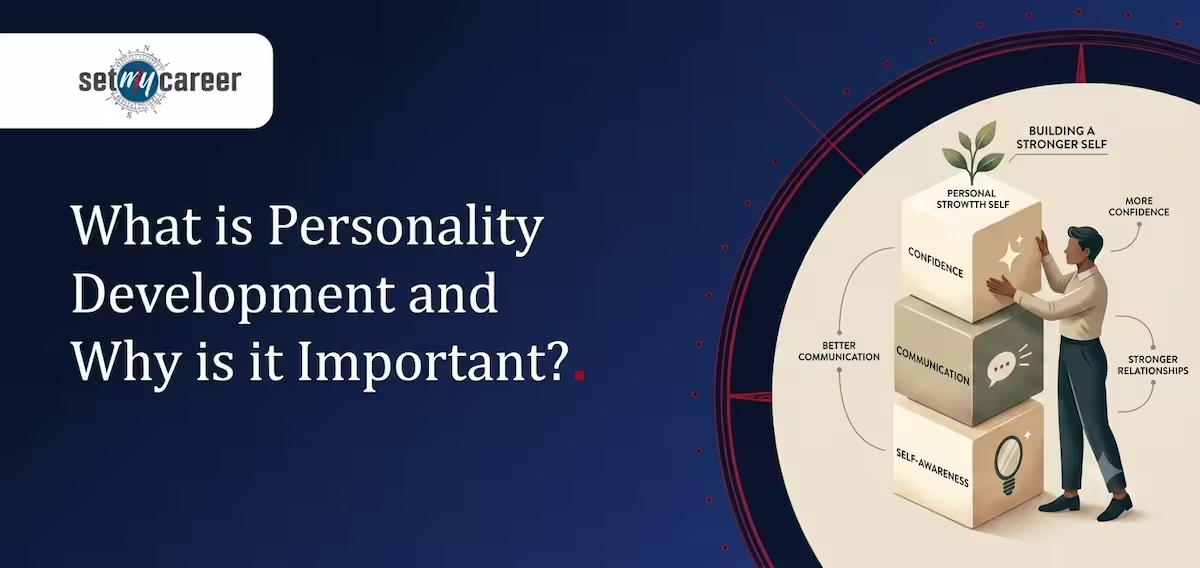
- Cultivating Self-Awareness: All meaningful growth starts with understanding exactly who you are. This means taking an honest inventory of your strengths, identifying your blind spots, and recognizing your unique behavioral patterns. When you are highly self-aware, you can leverage your natural abilities while actively working on areas that require refinement.
- Mastering Emotional Regulation: Life and work are inherently unpredictable. How you respond to that unpredictability defines your character. The ability to manage your emotions, stay grounded under immense pressure, and handle stress with composure is a cornerstone of a mature, developed personality.
- Refining Interpersonal Communication: Exceptional communication extends far beyond having a strong vocabulary. It encompasses active listening, reading non-verbal cues, and demonstrating empathy. When you can express your thoughts clearly while genuinely understanding another person's perspective, you instantly elevate your professional and personal relationships.
- Embracing Adaptability: Change is the only constant. People with highly developed personalities do not rigidly resist change; they lean into it. Adaptability allows you to face unexpected challenges with resilience, viewing obstacles as opportunities for learning rather than insurmountable roadblocks.
Your personality is not a fixed trait you are born with—it is highly dynamic and ever-evolving. With consistent effort, you can actively shape it over time to create a lasting, positive impact on everyone you meet.
The Core Benefits of Personality Development for Career and Life
Investing time in personal growth directly influences your trajectory in both the workplace and your private life. It enhances your capacity to collaborate, builds meaningful trust, and equips you to handle complex challenges. Here is why prioritizing this development is critical:
Elevates Self-Confidence
Improving your core traits helps you feel deeply comfortable in your own skin. This authentic confidence naturally translates into your actions. Whether you are leading a high-stakes board meeting, negotiating a salary, or simply introducing yourself at a networking event, genuine self-assurance makes people trust your capabilities.
Transforms Communication Dynamics
As mentioned, communication is about establishing a connection, not just broadcasting your thoughts. By developing your personality, you learn how to tailor your message to different audiences, mediate conflicts gracefully, and ensure your ideas are both heard and respected.
Unlocks Advanced Career Opportunities
Modern organizations hire for skills, but they promote for personality. Technical abilities can only take you so far. A positive attitude, collaborative spirit, and a solution-oriented mindset are the traits that mark you as a future leader and make you stand out to executives and hiring managers.
Forges Stronger Professional Relationships
Traits like patience, empathy, and active listening act as the glue in human relationships. When you refine these qualities, you naturally attract mentors, build loyal teams, and resolve workplace friction before it escalates into a larger issue.
Builds Resilience Against Stress
By developing emotional intelligence, you train your brain to handle difficult situations systematically rather than reactively. This emotional buffer prevents burnout, reduces daily anxiety, and safeguards your overall mental well-being.
Drives Continuous Personal Growth
Personality development is a lifelong journey. Committing to this process ensures you never stagnate. It keeps your mind sharp, your perspectives broad, and your approach to life inherently proactive.
SMC Expert Tip: Taking time for intentional self-reflection, alongside actively seeking constructive feedback from trusted mentors, is the fastest way to understand your baseline. This approach helps you pinpoint exact opportunities for improvement so you can build a highly targeted, actionable growth plan. Clear goals ensure your progress is consistent and sustainable.
5 Actionable Strategies to Elevate Your Personality
Enhancing your personality requires a proactive approach. It equips you with the tools to present your best self while handling the inevitable friction of daily life. Implement these five practical strategies to accelerate your growth:
1. Audit and Understand Yourself
Start by auditing your daily habits, emotional triggers, and long-term ambitions. Keep a journal to track how you respond to both positive and negative situations. Recognizing your default behaviors is the crucial first step to changing them. Whether you need to practice assertiveness or dial back a tendency to micromanage, awareness must precede action.
2. Sharpen Your Communication Skills
Make a conscious effort to practice active listening—listening to understand, rather than waiting for your turn to speak. Pay attention to your body language; maintain eye contact and keep your posture open. If public speaking intimidates you, start small by speaking up more frequently in team meetings or joining a local communication workshop.
3. Master Your Emotional Responses
When faced with a stressful trigger, practice the "pause." Before reacting in anger or frustration, take a slow, deep breath to engage the logical part of your brain. Techniques like mindfulness, regular physical exercise, and cognitive reframing can drastically improve your emotional baseline over time.
4. Cultivate a Solution-Oriented Mindset
It is easy to complain when things go wrong. A strong personality focuses on the fix, not the fault. Train yourself to look for actionable solutions when facing setbacks. Surround yourself with driven, optimistic people, as mindsets are highly contagious. Practicing gratitude for your current progress also keeps your outlook grounded.
5. Commit to Lifelong Learning
A stagnant mind leads to a rigid personality. Read widely across different subjects, attend industry seminars, or take online courses that challenge your current worldview. Intellectual curiosity makes you a more dynamic, interesting conversationalist and ensures you remain adaptable to new ideas.
Taking the Next Step in Your Growth Journey
Elevating your personality goes far beyond basic self-improvement. It is about fundamentally equipping yourself to navigate life’s complexities with grace, build authentic human connections, and achieve the ambitions you have set for yourself. The effort you put into refining your character pays compounding dividends across every single aspect of your life.
Whether you are aiming to break through a career plateau, step into a demanding leadership role, or simply cultivate richer personal relationships, the decision to actively design your personality is the most lucrative investment you can make. Start your transformative journey today. Connect with the experts at SetMyCareer, and let our dedicated professionals help you align your personal growth with your ultimate career objectives.