






We have all been there. You make a mistake, stumble through a presentation, or lose your temper, and suddenly that familiar internal monologue kicks in: "I wish I were better at this," or "Why do I always struggle with the exact same thing?" You might even catch yourself thinking, "I really messed that up." While these moments of self-criticism are uncomfortable, they are also deeply human. More importantly, they are incredibly valuable. These flashes of frustration are the quiet beginnings of personal development. They represent a clear, conscious acknowledgment that you are yearning for change and recognize your own potential for growth.
So, What Exactly IS Personal Development?
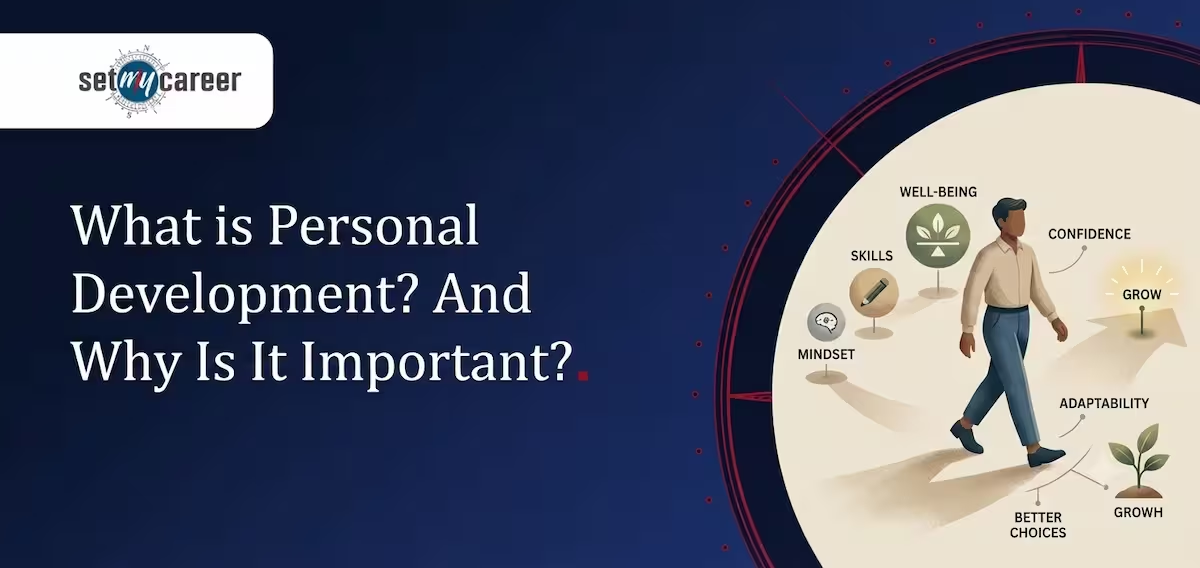
At its core, personal development is the lifelong process of growing into a more capable, self-aware, and resilient version of yourself. It is not about chasing an impossible standard of perfection. Instead, it is about making conscious, incremental efforts to expand your skillset, improve your emotional intelligence, and refine the way you navigate the world. A massive part of this journey involves how you connect with the people around you. Personal growth is rarely a solitary endeavor. It heavily relies on how you show up for others—your family, friends, and colleagues—and how their feedback, support, and boundaries help shape your character in return.Starting Your Personal Development Journey
When "Laziness" Gets in the Way
Let’s address the elephant in the room. We all have big, shiny goals tucked away in the back of our minds. You want to learn a new language, establish a consistent fitness routine, or actually stick with that morning meditation practice. But when the time comes to put in the work, a massive, invisible wall suddenly appears. We often whisper to ourselves, "I'm just so lazy." We genuinely want to achieve the goal, yet the comfort of the couch or the magnetic pull of a social media feed wins out. Admitting to "laziness" often feels like a personal defeat, but it is actually a misdiagnosis. What you are experiencing usually isn't laziness at all—it is psychological resistance. Your brain is wired to conserve energy and avoid discomfort. When a goal feels too big or ambiguous, your mind perceives it as a threat to your current state of comfort and triggers a profound urge to procrastinate.The Power of Small, Consistent Efforts
If you are reading this, you are already looking for ways to improve. The secret to breaking through that invisible wall is lowering the barrier to entry. You do not need to overhaul your entire life overnight. Even incredibly small, consistent efforts compound over time. Learning just one new vocabulary word a day, reading for ten minutes, or practicing a new skill for fifteen minutes might feel insignificant in the moment, but these micro-habits are the true foundation of long-term self-growth and development.How to Identify Where You Need to Improve
Before you can make a meaningful change, you need to know exactly what requires changing. Personal development is not about fixing something that is "broken." It is about looking both inward and outward to pinpoint the unique areas that genuinely resonate with your ambitions. Sometimes, we deceive ourselves by believing we are inherently "bad" at certain things, when the truth is we simply haven't practiced them yet. Here are four practical techniques to help you identify the best areas for your personal growth:- Listen to Your Frustrations and Desires: Those uncomfortable moments we mentioned earlier? They are massive clues. What recurring situations frustrate you? Whose skills do you secretly admire? What kind of professional or friend do you aspire to be? Your internal complaints often highlight the exact areas that are ripe for development.
- Seek Constructive Feedback (Gently!): We all have blind spots. Ask a trusted friend, family member, or mentor for honest, constructive feedback. Ask them what they perceive as your greatest strengths and where they think you could grow. Be open to their perspective, remembering that it comes from a place of support, not judgment.
- Reflect on Your Core Goals and Values: What are your long-term aspirations in your career, relationships, and personal life? Your development journey must align with these pillars. If a specific skill or habit doesn't serve your core values, it probably isn't the most impactful area to focus your energy on right now.
- Audit Your Energy Levels: Pay close attention to what activities drain you versus what energizes you. Tasks that consistently deplete your energy often indicate a skill gap. For example, if leading a meeting leaves you exhausted, it might be because you lack public speaking confidence—making communication a great area for focused development.
4 Steps to Build Your Individual Development Plan
Alright, you have identified where you want to improve. Now what? Instead of diving in without a compass, use these four steps to create a practical, sustainable individual development plan.1. Pick Just One Thing to Focus On
Overwhelm is the enemy of progress. Instead of trying to fix your sleep schedule, learn coding, and become a better listener all in the same week, pick one specific skill or habit. If your main frustration is public speaking, narrow your focus to something manageable, like improving your posture or maintaining consistent eye contact.2. Break It Down into Micro-Steps
Once you have your primary focus, slice it down into the tiniest possible actions. If your goal is to build confidence in opening remarks during meetings, your first micro-step might be to simply practice saying your opening sentence out loud five times a day in the mirror. Make the task so small that it feels almost ridiculous not to complete it.3. Learn a Little, Apply Immediately
Avoid the trap of endless research. Find a quick, highly targeted resource related to your specific step. It could be a brief article from a career mentor, a short podcast, or a five-minute video on deep breathing techniques. Once you consume that information, immediately apply it. You only truly learn something when you put it into practice.4. Practice Consistently Over Perfection
Improvement does not happen overnight; it is the direct result of showing up repeatedly. Look for daily or weekly opportunities to practice your micro-steps. Do not aim for a flawless performance on your first few attempts. Your only goal right now is to try consistently. Repetition builds competence, and competence builds confidence.Career coaching emphasizes personal development as a foundation for professional success.
Embracing the Journey of Continuous Growth
Every single step you take, no matter how small or imperfect, moves you forward. Do not wait for a sudden burst of motivation to strike before you begin. Motivation is fleeting, but discipline and well-designed habits remain. Create the right conditions for your own progress. Embrace the messy, non-linear process of learning, celebrate your smallest wins, and stay curious about what truly helps you thrive. Personal development is not a final destination you eventually arrive at—it is the most rewarding, lifelong adventure you will ever embark on.