






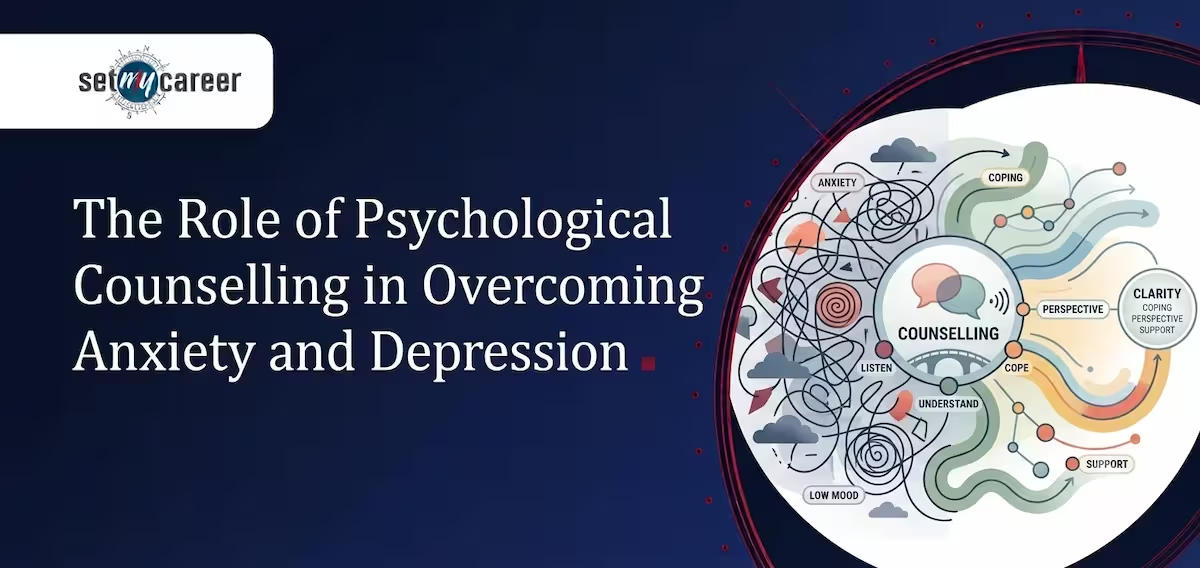
Chronic anxiety and depression can feel like carrying an invisible weight that exhausts you before the day even begins. These conditions manifest differently for everyone—from sleepless nights and racing thoughts to a complete lack of motivation and emotional numbness. While trying to push through these feelings on your own is a common response, it rarely leads to long-term relief.
Career counselling often incorporates psychological support to overcome anxiety and depression.
Fortunately, psychological counselling provides a structured, evidence-based approach to unpacking these complex emotions and regaining control over your mental health. A skilled counsellor helps you navigate the noise in your head, offering practical tools to overcome anxiety and manage depressive episodes.
Despite how common these challenges are, the stigma surrounding mental health still prevents many people from seeking the support they need. It is essential to recognize that experiencing anxiety or depression is not a sign of weakness; it is a normal human response to stress, trauma, or biological factors. Therapy normalizes these struggles and provides a completely safe, judgment-free space to process your reality. Taking that first step to seek help is a profound act of courage that paves the way toward a healthier, more fulfilling life.
What Exactly is Psychological Counselling?
You might be familiar with the term "psychological counselling," but understanding what actually happens inside a session can make the prospect of therapy much less intimidating. At its core, psychological counselling is a collaborative partnership between you and a licensed mental health professional.
It goes far beyond simply venting about a bad day. A trained therapist works with you to identify deeply ingrained thought patterns, process difficult emotions, and develop practical coping mechanisms. Through various therapeutic frameworks, counselling helps you untangle the root causes of your distress. You will learn to recognize your triggers, challenge irrational thoughts, and build a personalized toolkit that equips you to handle future challenges with resilience rather than panic.
How Psychological Counselling Helps Different Groups Manage Anxiety and Depression
Because anxiety and depression rarely look the same from person to person, a one-size-fits-all approach doesn't work. The pressures of life shift depending on your current stage, and psychological counselling adapts to meet those specific demands. Here is how targeted therapy supports individuals across different phases of their academic and professional lives.
For Students Facing Severe Academic Stress
The pressure to perform academically, combined with social dynamics and future uncertainties, makes students highly susceptible to anxiety. Counsellors provide crucial support by focusing on:
- Identifying Hidden Stressors: Therapists help pinpoint specific triggers, whether it is an unmanageable course load, intense peer competition, or heavy parental expectations.
- Developing Sustainable Study Habits: Counselling moves students away from chaotic, last-minute cramming and teaches structured time management that actively accommodates mental rest.
- Rebuilding Academic Confidence: By shifting the focus from rigid perfectionism to realistic goal-setting, students can significantly reduce the paralyzing fear of failure.
- Providing a Safe Emotional Outlet: Therapy creates a confidential environment where students can express their feelings of overwhelm without fear of academic or social consequences.
For Graduates Navigating Job Search Anxiety
Transitioning from academia to the professional world is notoriously stressful. The cycle of applications, interviews, and rejections can quickly trigger depressive episodes. Counsellors assist recent graduates by offering:
- Targeted Career Guidance: Therapists blend emotional support with practical strategies for identifying viable career paths and approaching the job market with clarity.
- Managing Performance Anxiety: Graduates learn physiological and cognitive techniques to calm their nervous systems before high-stakes professional exams or demanding interviews.
- Cultivating Rejection Resilience: Counselling helps reframe job rejections as neutral data points rather than personal failures, allowing candidates to maintain motivation during prolonged searches.
- Actionable Goal Setting: Therapists help break down the daunting task of finding employment into manageable, daily micro-goals to prevent decision paralysis.
For Professionals Dealing with Job Instability and Burnout
Even established professionals face significant mental health hurdles, particularly when dealing with workplace toxicity, layoffs, or chronic burnout. Counselling supports the modern workforce through:
- Strategic Career Navigation: Therapists help professionals map out potential career transitions or upskilling opportunities during periods of intense economic uncertainty.
- Advanced Stress Management: Professionals learn vital techniques to de-escalate workplace tension, handle difficult colleagues, and leave work-related stress at the office.
- Navigating Career Breaks: Therapy offers emotional grounding for those stepping away from the workforce—or preparing to re-enter it—ensuring they retain their professional identity and confidence.
- Establishing Firm Boundaries: Counsellors work with clients to create a sustainable work-life balance that prioritizes self-care and protects against the physical and emotional toll of burnout.
Conclusion
Living with untreated anxiety and depression can make even the simplest daily tasks feel insurmountable, but you do not have to carry that burden indefinitely. Psychological counselling offers a structured, supportive environment to unpack your challenges, unlearn harmful thought patterns, and build a highly resilient mindset.
Whether you are a student battling academic pressure, a recent graduate navigating a tough job market, or an experienced professional facing career burnout, tailored therapeutic support can completely transform your trajectory. By integrating professional mental health care with strategic career guidance, you equip yourself with the clarity and strength needed to move forward. Prioritizing your mental health isn't just about feeling better today—it is the most critical investment you can make in your long-term personal happiness and professional success.