



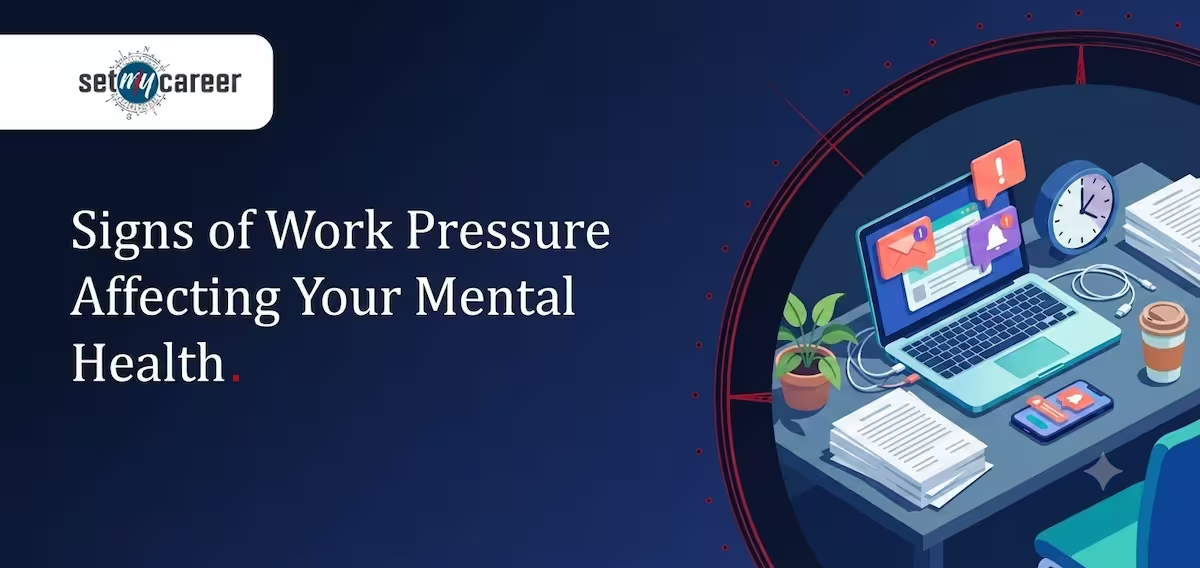
A demanding week at the office is one thing. A relentless cycle of tight deadlines, extended meetings, and overflowing inboxes is another entirely. While occasional stress is an expected part of any career, a constant state of pressure can quietly begin to erode your mental well-being before you even realize what is happening.
You might find yourself waking up exhausted, snapping at your family over minor inconveniences, or losing interest in the hobbies that usually help you unwind. When you are deeply embedded in a demanding role, it is tempting to brush these changes off as temporary fatigue. However, ignoring the early warning signs of chronic work stress can lead to severe emotional depletion and professional burnout.
Protecting your mental health requires recognizing these shifts early. By understanding how workplace pressure manifests in your daily life, you can take proactive steps to safeguard your emotional resilience while still managing your professional responsibilities effectively.
Recognizing the Signs: How Work Pressure Affects Your Mental Health
Whether you operate in a traditional office, work fully remotely, or navigate a hybrid schedule, excessive job stress can seep into your life through subtle channels. Catching these symptoms early can prevent long-term cognitive and emotional damage. Here is what you need to watch out for:
1. You Feel Constantly Drained—Even After Rest
There is a distinct difference between physical tiredness and cognitive fatigue. If you are consistently logging seven to eight hours of sleep but still wake up feeling like a zombie, your brain is likely struggling to recover from stress overload. Mental exhaustion almost always appears before physical collapse, leaving you feeling entirely depleted before the workday even begins.
2. Noticeable Mood Swings and Increased Irritability
Are you suddenly losing your temper over a delayed email or a minor typo? When cortisol levels remain artificially high due to prolonged stress, your emotional regulation takes a direct hit. This heightened irritability can quickly damage workplace relationships, strain team dynamics, and spill over into your personal life.
3. A Sudden Lack of Motivation and Interest
Tasks that previously sparked your creativity now feel like insurmountable chores. If you find yourself consistently feeling apathetic, disconnected, or entirely indifferent toward projects you used to care about, you are looking at a major red flag. A heavy workload should not extinguish your core professional drive.
4. Trouble Concentrating and Decision Fatigue
If you cannot focus on a single document for more than five minutes, or you find yourself agonizing over incredibly simple choices, you are experiencing cognitive overload. Chronic stress hijacks the prefrontal cortex—the area of your brain responsible for executive function—making deep work and clear decision-making incredibly difficult.
5. Drastic Changes in Eating and Sleeping Patterns
Our bodies rely on basic routines for stability. Under extreme pressure, some professionals instinctively stress-eat for a dopamine hit, while others lose their appetite entirely. Similarly, anxiety can trigger severe insomnia or lead to oversleeping as an avoidance mechanism. When these foundational habits shift dramatically, your body is sounding an alarm.
6. Withdrawing from Social Interactions and Team Culture
Introversion is a personality trait; sudden isolation is a coping mechanism. If you find yourself repeatedly canceling personal plans, keeping your camera off during every virtual meeting, and avoiding basic watercooler chats, your mind is likely trying to conserve whatever minimal energy it has left.
7. Unexplained Physical Symptoms
The mind and body are intrinsically linked. Tension headaches, a clenched jaw, neck stiffness, and sudden gastrointestinal issues are frequently physical manifestations of unmanaged emotional pressure. When you ignore mental strain, your body will eventually force you to pay attention through physical pain.
8. Operating in a Constant State of "Fight-or-Flight"
Does your heart rate spike every time a Slack notification pings? Do you feel a knot in your stomach when opening your inbox on a Sunday evening? Hypervigilance is a trauma response. Operating constantly on edge means your nervous system is treating your job like an active physical threat.
9. Pervasive Self-Doubt and Imposter Syndrome
When your inner critic becomes louder than your track record of success, stress is usually the culprit. High pressure can severely distort your self-perception, causing you to constantly question your value, overthink your contributions, and fear that you will eventually be exposed as a fraud.
10. Growing Cynicism and Emotional Detachment
Feeling like you simply do not care anymore is a state known as depersonalization. This profound emotional detachment is the final warning sign before full-blown burnout. Recovering from deep-rooted cynicism requires significantly more time and intervention than managing standard workplace stress.
Actionable Strategies to Protect Your Mental and Emotional Well-Being
Once you recognize that work pressure is actively compromising your health, the next step is intervention. You do not necessarily need to quit your job or overhaul your entire career path to find relief. Strategic, consistent boundaries often yield the best results.
Set Firm, Professional Boundaries
Stop treating your availability as a metric of your dedication. Establish hard stops at the end of your workday. Unless you are on-call for emergencies, remove work email from your personal phone and turn off push notifications after hours. Communicate your working hours clearly to your team, and more importantly, respect those boundaries yourself.
Prioritize Restorative Sleep and Nutrition
Your brain requires premium fuel to handle high-level problem-solving. Guard your sleep schedule aggressively, aiming for consistent sleep and wake times. Support your cognitive stamina by staying hydrated and prioritizing nutrient-dense foods rather than relying on excessive caffeine and sugar to power through the afternoon slump.
Schedule Non-Negotiable Disconnect Time
Block out 15 to 30 minutes on your calendar every single day for activities that have absolutely nothing to do with productivity. Step outside without your phone, listen to a podcast, or simply sit quietly. Treat these micro-breaks with the same level of respect you would give to a meeting with your CEO.
Communicate Openly with Your Support System
Carrying the weight of professional stress in silence amplifies its impact. Talk to a trusted colleague, a mentor, or a supportive friend. Voicing your struggles not only validates your experience but often reveals that others are feeling the exact same way. You are demonstrating self-awareness, not weakness, by admitting you are overwhelmed.
Incorporate Grounding Practices
When your nervous system is in overdrive, you need physical ways to complete the stress cycle. Deep breathing exercises, brief morning meditations, or even a brisk 10-minute walk can lower your heart rate and signal to your brain that you are safe. Consistency with small grounding habits builds massive long-term resilience.
Learn to Say “No” Strategically
Accepting every project that comes your way is a fast track to burnout. Protect your bandwidth by negotiating deadlines and offering alternatives. Instead of a flat refusal, try saying, "I can take this on, but it means pausing project X until next week. How would you like me to prioritize?"
Seek Professional Support Before You Hit a Wall
If the pressure feels unmanageable despite your best efforts, do not wait for a crisis to ask for help. Corporate Employee Assistance Programs (EAPs), career coaches, and licensed therapists can provide personalized coping frameworks. Investing in your psychological health is the most critical career move you will ever make.
Conclusion
Your career should challenge you, facilitate your growth, and provide financial security, but it should never cost you your peace of mind. Recognizing the early signs of emotional exhaustion is the first critical step toward reclaiming your health. Whether you need to implement stricter daily boundaries, renegotiate your workload, or seek professional counseling, taking decisive action today protects your career longevity tomorrow.
If you find yourself constantly overwhelmed and unsure of how to navigate your current professional landscape, you do not have to figure it out alone. SetMyCareer is dedicated to helping professionals build healthier, more fulfilling, and sustainable career paths. Connect with our expert career strategists today to gain the clarity and support you need to thrive.