






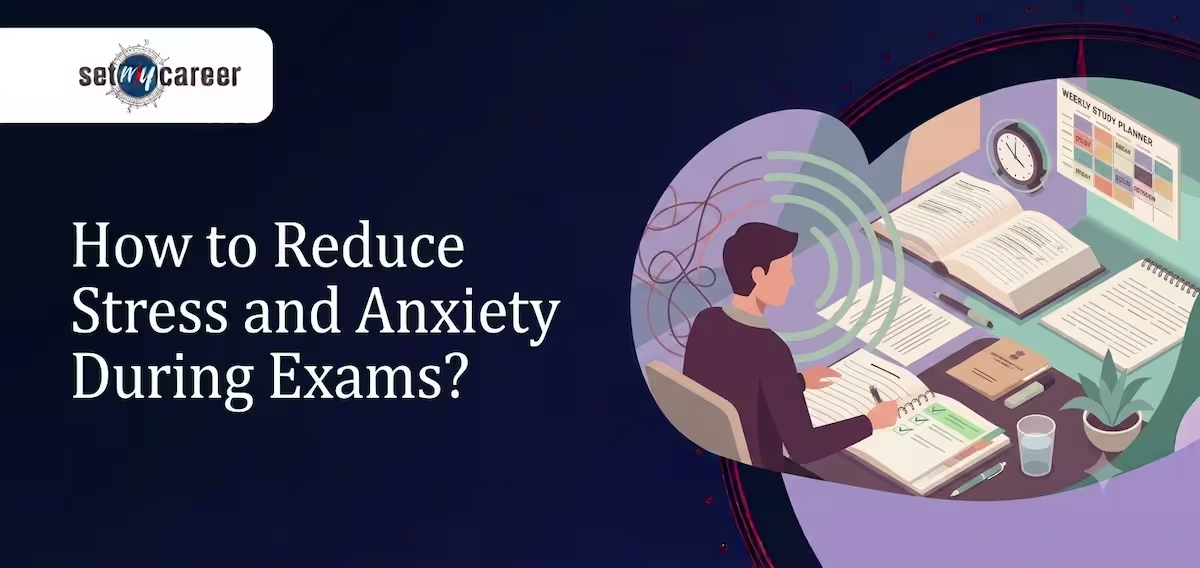
Most students experience a racing heart, shallow breathing, and a looming sense of dread when exam season approaches. The pressure to perform can trigger severe stress, turning a straightforward test into a psychological hurdle. However, experiencing test anxiety is completely normal—and more importantly, it is highly manageable.
When you understand the biological and psychological triggers behind exam stress, you can adopt proven, science-backed strategies to keep your nerves in check. In this guide, we will break down why test anxiety happens and walk through practical techniques to help you stay calm, focused, and ready to perform at your highest potential.
Understanding the Root Causes of Exam Stress
Before you can effectively manage test anxiety, it helps to identify exactly what is triggering it. Exam stress is rarely just about the test itself; it usually stems from a combination of psychological pressures, expectations, and environmental factors.
- Fear of Failure: The intense pressure to secure a specific grade often creates a paralyzing fear of failure. When students tie their self-worth or future career prospects to a single exam score, the brain interprets the test as a literal threat, triggering a physical fight-or-flight response.
- Time Pressure: A shrinking timeline is a primary catalyst for panic. When you feel there simply aren't enough hours left to cover the syllabus, cognitive overload sets in, making it even harder to retain information.
- Perfectionism: High achievers frequently fall into the perfectionism trap. Setting impossibly high standards means that anything short of a flawless performance feels like a disaster, magnifying the stress of minor mistakes.
- Lack of Preparation: Procrastination naturally breeds anxiety. If you know deep down that your study habits have been inconsistent, the fear of encountering unfamiliar questions can cause a severe confidence crash on exam day.
By identifying which of these root causes affects you the most, you can take proactive, targeted steps to address your specific anxiety triggers before they escalate.
Effective Strategies: How to Reduce Exam Stress and Anxiety
1. Master Time Management to Regain Control
One of the biggest stressors students face is the overwhelming feeling of a ticking clock. As time runs out, panic takes over. Effective time management is the most practical way to reduce exam stress because it transforms an insurmountable mountain of work into actionable steps.
- Create a Strategic Study Schedule: Break your revision into manageable chunks, assigning specific time blocks to different subjects. A structured study timetable prevents you from spending too much time on a single topic and keeps your preparation balanced.
- Prioritize High-Impact Tasks: Identify the most challenging or heavily weighted topics and tackle them first. Addressing the hardest material when your cognitive energy is highest prevents those subjects from hanging over your head later in the day.
2. Practice Mindfulness and Active Relaxation
Mindfulness is a highly effective tool for managing an overactive nervous system. By forcing your brain to focus on the present moment, you can shut out intrusive thoughts about worst-case scenarios.
- Breathing Exercises: Controlled breathing physically slows your heart rate and signals your brain to relax. Try the 4-7-8 breathing technique: inhale deeply through your nose for 4 seconds, hold your breath for 7 seconds, and exhale slowly through your mouth for 8 seconds. Repeat this cycle four times.
- Visualization: Mental rehearsal is used by elite athletes and top-tier professionals. Imagine yourself walking into the exam room, sitting down calmly, and confidently answering the questions. Visualization helps reduce situational fear and builds mental muscle memory for success.
3. Prioritize Rest and Brain-Boosting Nutrition
It is incredibly tempting to skip meals or sacrifice sleep during intense study sessions, but neglecting your physical health actively sabotages your cognitive performance.
- Protect Your Sleep: Sleep deprivation causes cortisol (the primary stress hormone) to spike while severely impairing your memory retention and focus. Aim for 7 to 9 hours of uninterrupted sleep the night before your exam to ensure your brain can properly recall what you’ve studied.
- Fuel Your Brain: A balanced diet rich in complex carbohydrates and proteins keeps your blood sugar stable, which helps increase concentration while studying. Avoid excess caffeine—while one cup of coffee can help you focus, too much mimics the physical symptoms of anxiety (like jitters and a racing heart). Opt for brain-boosting snacks like walnuts, blueberries, or yogurt.
4. Rewire Your Brain with Positive Self-Talk
Your internal monologue directly influences your emotional state. If you constantly tell yourself you are going to fail, your body will react with stress. Cognitive reframing allows you to replace negative self-talk with productive reinforcement.
- Challenge Negative Thoughts: Instead of defaulting to, “I can’t do this,” consciously remind yourself, “I have put in the preparation, and I possess the tools to handle this challenge.”
- Focus on Effort, Not Perfection: Accept that exams are about demonstrating your current understanding, not achieving absolute perfection. Embrace difficult questions as a normal part of the process rather than a sign of failure.
5. Use Physical Activity to Burn Off Adrenaline
When you are stressed, your body is flooded with adrenaline. Sitting perfectly still at a desk for 10 hours straight leaves that adrenaline nowhere to go, resulting in physical tension and anxiety.
- Take Active Breaks: A quick 15-minute walk or a brief session of light stretching can metabolize stress hormones, clear brain fog, and reset your focus.
- Exercise Regularly: Maintaining a baseline of regular cardiovascular exercise throughout your study weeks releases endorphins, naturally elevating your mood and keeping your stress threshold manageable.
Conclusion
Exam stress does not have to dictate your academic experience or overshadow your hard work. By treating your preparation as a holistic process—incorporating effective time management, active relaxation techniques, proper nutrition, and a positive mindset—you can significantly reduce your anxiety and perform at your absolute best. Remember, an exam is simply a measure of where you are right now, not a definition of who you are or what you can achieve.
If you are struggling to navigate academic pressures, need personalized career counselling for students, or want structured tips for exam preparation, the experts at SetMyCareer are ready to guide you. Reach out today to learn how to manage stress effectively and build a solid foundation for your academic and professional journey.