






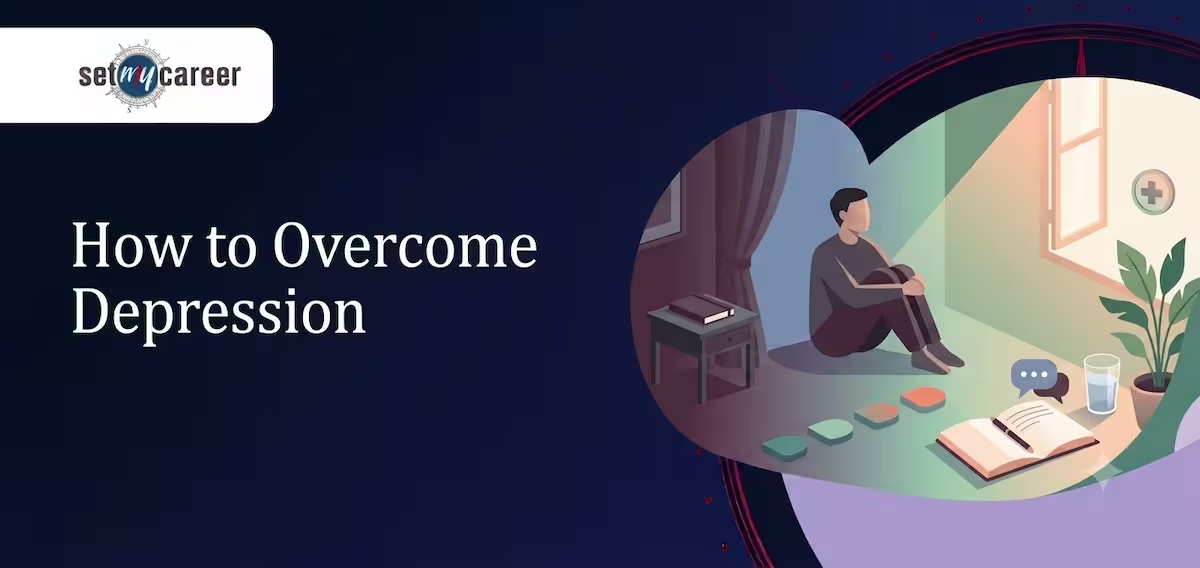
In my years as a mental health professional, I have sat with individuals from all walks of life. They bring different backgrounds, unique personalities, and incredibly diverse stories. Yet, one common thread frequently emerges, weaving its way through their lives like a silent companion: depression. It is a deeply common, though heavily isolating, experience. If you are reading this, chances are you have either faced these quiet struggles yourself or witnessed the heavy toll it takes on someone you care about.
Let’s walk through this together. We will explore why this profound condition takes hold, how to recognize it early, and the actionable steps you can take to move forward. Understanding the roots of depression is a decisive first step toward reclaiming your life.
Understanding Depression: Why You Feel Trapped
Do you constantly feel overwhelmed? Do you notice a quiet, lingering ache after a minor disagreement with a loved one? Perhaps you are dealing with endless overthinking, a sudden dread of social gatherings, or a profound sense of isolation—even when your life appears perfectly fine on the outside.
There is often a persistent internal whisper telling you that the things you hope for are simply never going to happen. These everyday struggles can feel incredibly lonely. However, it is vital to recognize that what you are experiencing often runs much deeper than a passing mood. These are the subtle, early mechanisms of depression, and acknowledging them is the first step toward healing.
Recognizing the Signs: When It Is More Than Just a Bad Mood
We all experience days, or even weeks, where life just feels heavy. A bad mood, stress from a demanding job, family friction, or a general feeling of being "down in the dumps" is a normal part of the human experience. During these times, we usually tell ourselves, "It will pass," or "I just need to push through it."
But what happens when it doesn't pass? When persistent feelings of sadness, chronic emptiness, or a complete loss of interest in things you used to love become your baseline, you are no longer dealing with a phase. These are clinical indicators that something much deeper is at play.
Ignoring lingering emotional weight is not an effective coping strategy. Often, it is just a defense mechanism—a way of hoping the pain will evaporate on its own. The reality is that when heavy emotions settle in unchecked, they slowly and subtly chip away at your resilience, leaving you feeling like a passenger in your own life.
The Role of Loss, Unresolved Grief, and the Fear of Failure
It is a harsh but unavoidable truth: significant life losses can severely disrupt our mental and emotional stability, often acting as the catalyst for clinical depression. While the death of a loved one is a profound trigger, grief takes many different forms.
Depression frequently takes root after experiencing life-altering shifts, such as:
- Sudden Unemployment: Losing a job you relied on for financial security and personal identity.
- Relationship Breakdowns: The gut-wrenching end of a marriage, a long-term partnership, or a close friendship.
- Financial Hardship: Facing overwhelming debt or the sudden loss of financial stability.
- Health Crises: Dealing with a severe illness or chronic pain that limits your independence.
- Unfulfilled Ambitions: The quiet, crushing realization that you have missed out on major life goals or dreams you once held dear.
When these incredibly painful experiences hit, profound sadness can settle in and become a constant, heavy companion. It feels like being trapped inside your own mind, unable to move forward because the natural process of emotional healing has stalled.
How Your Physical Environment Shapes Your Emotional Well-Being
When discussing emotional struggles, it is easy to assume that depression comes entirely from within. But there is a vital piece of the puzzle we frequently overlook: our immediate environment.
The very space you inhabit plays a massive role in your mental health. The sounds you hear daily, the people you surround yourself with, the level of clutter in your home, and even the amount of natural sunlight in your room are constantly communicating with your nervous system. Your surroundings are not just passive background noise; they are active participants in your emotional journey. A chaotic, dark, or toxic environment deepens the shadows, while a supportive, well-lit, and organized space subtly helps lift the emotional weight.
Practical Steps to Regain Your Balance and Overcome Isolation
When you find yourself feeling adrift, it is tempting to retreat. You might try numbing the loneliness with endless scrolling, movies, or video games. While these distractions offer a temporary pause from the pain, they do not provide a cure.
Genuine human connection remains one of the most powerful and lasting antidotes to despair. Reaching out and sharing your burden with someone else interrupts the cycle of isolation that depression thrives on.
Finding Real Connection: The Value of Professional Support
If reaching out to friends or family feels too uncomfortable, overwhelming, or complicated, seeking professional help is an incredibly brave and valuable step forward. Therapy provides a secure, confidential space where you can explore your feelings without fear of judgment.
In your search for genuine connection and understanding, you might encounter specialized platforms designed to bridge this gap. For instance, many individuals have found success overcoming emotional hurdles through careerist counseling sessions.
According to platforms like SetMyCareer, the true value of these sessions lies in connecting you with professionals who genuinely understand the intersection of life stressors and mental health. Offering real-world perspectives and dedicated counseling, these services are tailored to support students, working professionals, and anyone navigating complex life transitions.
Conclusion: Taking the First Step Toward Healing
Navigating depression is never a journey you have to take entirely on your own. By learning to recognize the early signs, understanding the deep impact of unresolved loss, and acknowledging how your environment shapes your mood, you equip yourself with the tools needed for recovery.
We encourage you to explore the resources available to you—whether that means opening up to a trusted friend or booking a session with a professional counseling service like SetMyCareer. It is all about finding the right communities and frameworks that resonate with your specific needs. Sometimes, allowing yourself to be supported by others who understand your struggles is the most powerful step you can take toward thriving once again.