






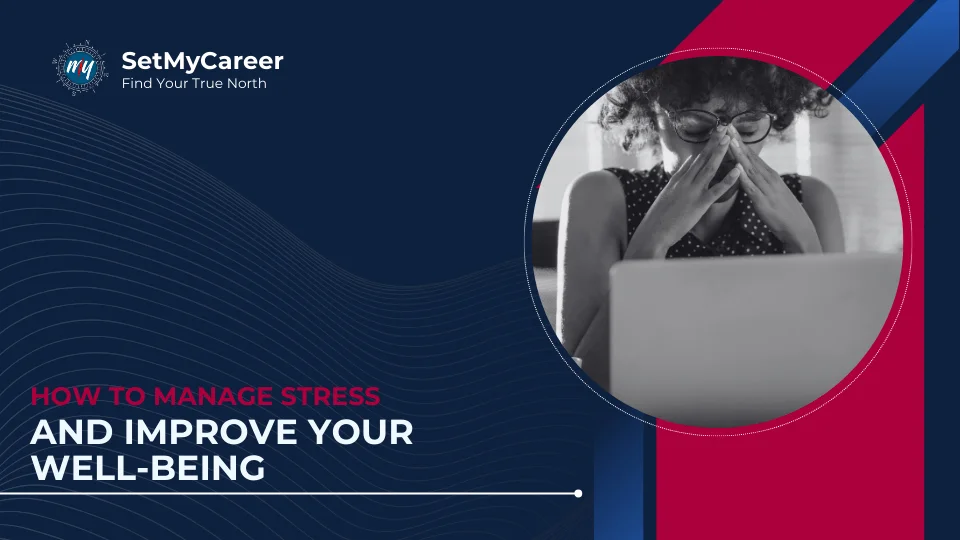
Stress is an inevitable part of modern life. Whether triggered by mounting workplace deadlines, complex personal relationships, or the financial realities of daily life, everyone experiences pressure. While short bursts of stress can occasionally sharpen focus and drive performance, chronic stress operates very differently. Prolonged tension drains physical vitality, clouds decision-making, and quietly erodes both emotional and physical well-being.
Career coaching provides strategies to manage stress and improve overall well-being.
Effective stress management is not about trying to eliminate every source of pressure from your life—an impossible goal. Instead, it centers on changing how your mind and body respond to those demands. By tuning into your early warning signs and making targeted adjustments to your daily routine, you can prevent everyday pressures from spiraling into debilitating burnout.
Left unmanaged, stress bleeds into every corner of life. It strains personal connections, impairs workplace productivity, fuels cognitive fatigue, and triggers long-term health complications. Implementing evidence-based stress relief practices creates a protective buffer, restoring mental clarity and physical resilience. This comprehensive guide examines why stress occurs and outlines practical, actionable strategies to help you navigate life's challenges with composure and confidence.
Understanding the Root Causes: Why Do We Get Stressed Out?
Stress is essentially your body's neurological and hormonal response to any demand that disrupts its natural equilibrium. To manage stress effectively, you must first understand where it originates. Stressors generally fall into two distinct categories: external pressures and internal cognitive patterns.
External Stressors
External stressors are environmental, situational, or social demands imposed upon you by outside circumstances. Common external triggers include:
- Major Life Transitions: Significant changes—such as relocating to a new city, switching careers, navigating a divorce, or experiencing the loss of a loved one—require immense cognitive and emotional adaptation.
- Professional and Academic Pressures: Unreasonable deadlines, heavy workloads, toxic workplace environments, and career ambiguity are primary drivers of chronic nervous system activation.
- Financial Strain: Unmanageable debt, unpredictable expenses, or job insecurity create persistent background anxiety that severely impacts daily functioning.
- Positive Life Events: Marriage, buying a home, or receiving a major promotion are positive milestones, yet they disrupt established routines and introduce new responsibilities, triggering valid stress responses.
Internal Stressors
Internal stressors originate within your own mind and are often self-generated. These cognitive habits frequently amplify external pressures without you realizing it:
- Perfectionism and Unrealistic Standards: Holding yourself to impossible benchmarks creates a perpetual sense of perceived failure, making even routine tasks feel high-stakes.
- Negative Self-Talk and Cognitive Distortions: Habitual catastrophizing, assuming the worst-case scenario, or focusing exclusively on flaws fuels ongoing emotional turmoil.
- The Need for Total Control: Attempting to control external outcomes, other people's reactions, or unpredictable events guarantees frustration and chronic tension.
- Unresolved Psychological Trauma: Lingering emotional wounds or unaddressed psychological conflicts can leave your fight-or-flight response hyper-reactive to everyday stressors.
Environmental and Lifestyle Factors
Beyond internal and external demands, daily lifestyle choices significantly influence your baseline stress tolerance. Chronic sleep deprivation, poor nutritional habits, lack of physical movement, excessive screen time, and living in chaotic or noisy environments gradually lower your physiological threshold for handling everyday pressure.
10 Proven Strategies to Effectively Manage Stress
Successfully managing stress requires an integrated approach that combines practical behavioral changes with intentional mindset shifts. Rather than attempting to overhaul your entire lifestyle overnight, focus on adopting a few sustainable techniques that fit naturally into your daily routine.
1. Identify and Track Your Personal Stress Triggers
You cannot address a problem you haven't clearly defined. Maintaining a daily stress journal for two to three weeks provides invaluable insights into your behavioral and psychological patterns. Record specific moments when you feel overwhelmed, noting the time of day, location, who you were with, and your physiological reaction (such as a racing pulse, tight shoulders, or irritability).
Recognizing these early warning signs allows you to intervene before mild tension escalates into severe distress. Once you identify consistent triggers, you can either modify the environment or prepare proactive coping strategies in advance.
2. Practice Daily Mindfulness and Mindful Breathing
Mindfulness practices train your brain to anchor itself in the present moment rather than worrying about future uncertainties or dwelling on past events. Controlled breathing techniques directly stimulate the vagus nerve, signaling your parasympathetic nervous system to lower your heart rate and reduce cortisol levels.
| Technique | How to Perform It | Primary Benefit |
| Box Breathing | Inhale for 4 seconds, hold for 4 seconds, exhale for 4 seconds, hold empty for 4 seconds. Repeat for 4 cycles. | Rapidly lowers acute physiological anxiety and restores mental focus during high-pressure moments. |
| Progressive Muscle Relaxation | Systematically tense each muscle group for 5 seconds, then fully release for 10 seconds, moving from toes to head. | Releases physical tension stored in the body and promotes deep somatic awareness. |
| Grounding (5-4-3-2-1 Method) | Identify 5 things you see, 4 you can touch, 3 you hear, 2 you smell, and 1 you taste. | Interrupts racing thoughts and panic responses by redirecting attention to physical surroundings. |
3. Engage in Regular Physical Activity
Physical movement is one of the most reliable ways to burn off accumulated stress hormones. Exercise stimulates the production of endorphins—your brain's natural mood elevators—while simultaneously metabolizing excess adrenaline and cortisol.
You do not need a grueling athletic routine to experience benefits. Brisk walking for 30 minutes, cycling, swimming, dancing, or practicing yoga can significantly improve your emotional baseline. The key is consistency over intensity; choose activities you genuinely enjoy so physical movement becomes a rewarding daily habit rather than another chore on your to-do list.
4. Prioritize Rest, Hobbies, and Unstructured Self-Care
Self-care is not a luxurious indulgence; it is a fundamental health necessity. When work demands consume your entire day, your nervous system remains in a perpetual state of alert. Schedule non-negotiable time for activities that bring genuine pleasure and cognitive rest.
- Engage in creative outlets such as reading, painting, gardening, or playing an instrument.
- Practice digital detoxes by turning off work notifications at a set hour each evening.
- Establish a consistent sleep hygiene routine by keeping your bedroom dark, cool, and free from electronic screens to ensure 7–9 hours of restorative sleep.
5. Break Complex Tasks into Manageable Steps
Overwhelming workloads frequently cause task paralysis, which rapidly increases stress levels. When facing a complex project, use the concept of "chunking" to break large responsibilities down into micro-actions.
Utilize prioritization frameworks like the Eisenhower Matrix, which categorizes tasks into four distinct quadrants:
- Urgent and Important: Do these immediately.
- Important but Not Urgent: Schedule dedicated time on your calendar for these tasks.
- Urgent but Not Important: Delegate these whenever possible.
- Neither Urgent nor Important: Eliminate them entirely to protect your cognitive energy.
6. Seek Professional Psychological Counselling
When stress becomes chronic, overwhelming, or begins interfering with your ability to function daily, seeking guidance from a qualified mental health professional is a crucial step. Psychological counselling offers a confidential, objective environment to process complex emotions and uncover deep-seated stress patterns.
Evidenced-based approaches like Cognitive Behavioral Therapy (CBT) equip you with practical tools to identify cognitive distortions, reframe intrusive thought loops, and develop customized coping mechanisms tailored to your unique personal and professional life.
7. Build and Nurture a Strong Social Support Network
Human beings are wired for connection. Isolation amplifies stress, whereas meaningful social support acts as a powerful psychological buffer. Sharing your thoughts with trusted friends, family members, or colleagues provides emotional validation and fresh perspectives on problems that feel insurmountable in isolation.
Focus on quality over quantity in your relationships. Surround yourself with individuals who offer constructive, empathetic support rather than those who add drama or heighten your anxiety.
8. Establish Firm Personal and Professional Boundaries
A primary driver of chronic stress is saying "yes" to commitments when your schedule, capacity, or mental bandwidth demands a clear "no." Failing to establish firm boundaries leads directly to resentment, cognitive exhaustion, and severe burnout.
Protect your time and energy by setting explicit limits:
- Define clear working hours and resist checking work communications during personal time.
- Politely decline extra responsibilities when your current workload is at capacity.
- Communicate your boundaries clearly and assertively without feeling the need to over-explain or apologize for protecting your well-being.
9. Implement Strategic Time-Management Habits
Feeling constantly rushed or chronically behind schedule creates persistent background tension. Implementing structured time-management habits restores a sense of agency and predictability to your day.
Consider adopting time-blocking techniques, where specific hours are dedicated exclusively to deep work, administrative tasks, and personal rest. Avoid the trap of multitasking, which splits your focus, increases cognitive error rates, and elevates stress metrics. Grouping similar tasks together allows you to maintain momentum and complete responsibilities far more efficiently.
10. Cultivate Cognitive Flexibility and a Resilient Mindset
While you cannot control every external event, you retain total control over how you interpret and respond to those events. Cognitive reframing involves consciously challenging negative assumptions and replacing them with balanced, constructive viewpoints.
Pair cognitive reframing with a regular gratitude practice. Taking two minutes each morning or evening to write down three specific things you appreciate trains your brain to notice positive aspects of life alongside challenges. Over time, this simple habit rewires your psychological orientation toward resilience and emotional balance.
Final Thoughts: Taking Direct Charge of Your Well-Being
Effective stress management is an ongoing, evolving practice rather than a static destination. It requires developing a deep awareness of your personal triggers, establishing firm boundaries, engaging in physical activity, and cultivating a flexible, resilient mindset. By making intentional, incremental adjustments to your daily routine, you can effectively diffuse chronic pressure and protect your physical and emotional health.
Remember that you do not have to navigate severe stress or complex career pressures entirely on your own. If stress is impacting your confidence, professional growth, or personal life, professional support can help you regain total clarity. Reach out to the experts at SetMyCareer for personalized career guidance and psychological counseling tailored to support your personal and professional journey.