






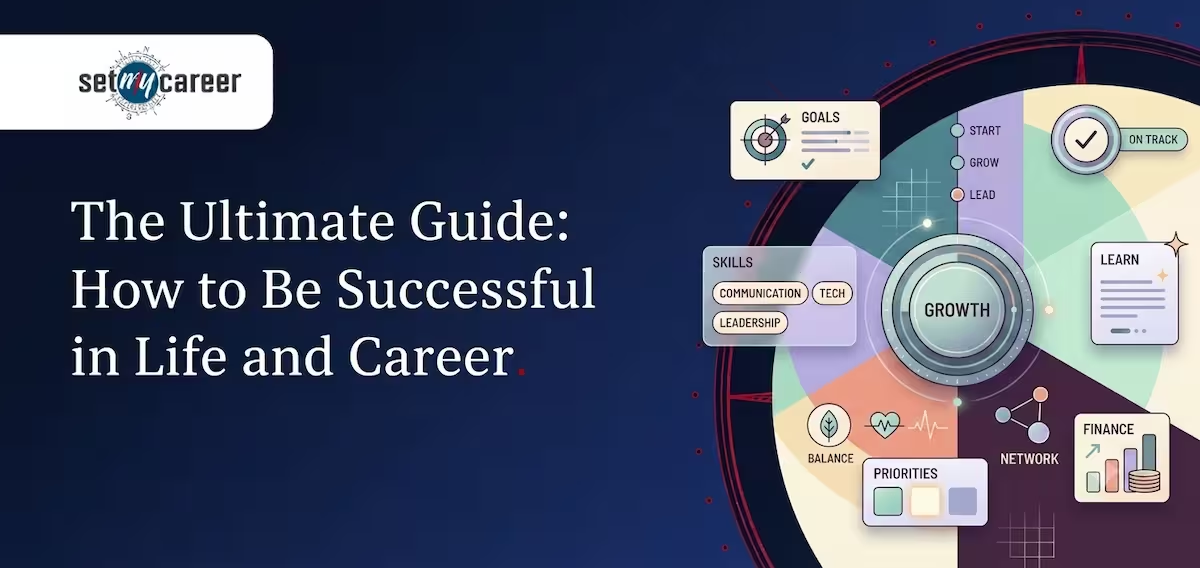
Success is often described as a journey rather than a final destination. While many professionals dream of achieving greatness in their careers and personal lives, figuring out the exact steps to get there can feel overwhelming. True achievement is rarely a product of luck or coincidence. Instead, it requires deliberate choices, consistent habits, and the resilience to learn from inevitable setbacks.
Career coaching provides guidance on how to be successful in both life and career.
Building a fulfilling life and a rewarding career relies on a strong foundation of self-awareness, continuous skill development, and the agility to adapt to shifting circumstances. Whether your primary focus is securing a promotion, building a healthier work-life balance, or finding deeper personal fulfillment, success requires aligning your daily actions with your long-term vision.
Below, we break down essential, research-backed strategies that drive personal and professional growth.
Key Strategies for Successful Life and Career Growth
Success is not a one-size-fits-all formula. It is shaped by intentional actions, honest self-reflection, and the willingness to evolve. Here are six powerful strategies to help you build momentum and achieve lasting fulfillment.
1. Set Clear, Actionable Goals Using the SMART Framework
Every successful trajectory begins with a clearly defined vision. You need to identify exactly what success looks like for you—whether that means reaching financial independence, attaining a leadership role, or starting your own business. Once you have that vision, you must break those sweeping ambitions into manageable, actionable steps.
The most effective way to structure your ambitions is through the SMART framework. This ensures your objectives are Specific, Measurable, Achievable, Relevant, and Time-bound.
- Specific: Define exactly what you want to accomplish.
- Measurable: Establish concrete criteria for tracking your progress.
- Achievable: Ensure your goal challenges you but remains realistic given your current resources.
- Relevant: Align the objective with your broader career or life vision.
- Time-bound: Set a firm deadline to create a sense of urgency.
For instance, rather than setting a vague intention like, “I want to be more successful at work,” transform it into a SMART goal: “I will complete an advanced project management certification within the next six months to qualify for a senior leadership role.” Setting precise objectives reduces overwhelm, keeps you focused, and gives you a clear roadmap to follow.
2. Cultivate a Growth Mindset
The way you perceive your own abilities fundamentally shapes your future. Psychologist Carol Dweck's extensive research highlights the power of a "growth mindset"—the belief that intelligence, talents, and abilities can be developed through dedication and hard work. This stands in contrast to a "fixed mindset," which assumes that talent is a static trait you are simply born with.
Consider the early career of Michael Jordan. He was famously cut from his high school basketball team, but rather than accepting defeat, he used that setback to fuel an intense work ethic that eventually made him a global icon.
When you face challenges in the workplace, train yourself to ask, “What can I learn from this obstacle?” Professionals with a growth mindset view critical feedback as a tool for improvement rather than a personal attack . Embracing challenges builds the resilience necessary to navigate the complexities of any modern career .
3. Master Time Management and Prioritization
Time is your most valuable and limited resource. How you manage your daily schedule directly dictates your long-term output. Begin every morning by identifying your highest-priority tasks—the ones that actually move the needle on your core goals—and tackle those before getting pulled into reactive work like checking emails.
A highly effective method for maintaining focus is the Pomodoro Technique. This involves working in periods of deep concentration for 25 minutes, followed by a 5-minute break. This rhythm helps prevent cognitive fatigue and keeps your mind sharp throughout the day.
Excellent time management for students and professionals alike is not about simply doing more tasks; it is about doing the right tasks. Focus on productivity over busyness, and ensure your daily actions reflect your highest priorities.
4. Build Strong, Meaningful Relationships
The people you interact with daily have a profound impact on your trajectory. Surrounding yourself with individuals who inspire, challenge, and motivate you will naturally elevate your own standards. Building authentic relationships with mentors, industry peers, and colleagues exposes you to new perspectives and hidden opportunities.
Professional networking should never be treated as a transactional exercise designed solely to climb the corporate ladder. True networking is about building a mutually supportive community. Invest genuine effort into maintaining your connections. Offer help before asking for favors, collaborate on shared projects, and nurture relationships that provide value to both sides.
5. Prioritize Your Mental Health and Physical Well-Being
Professional ambition means very little if it comes at the cost of your health. Chronic stress, sleep deprivation, and burnout can quickly derail even the most carefully planned career path. To perform at your absolute peak, you must treat self-care as a non-negotiable component of your success strategy.
- Exercise regularly: Physical activity boosts cognitive function, improves focus, and increases your overall energy levels.
- Practice mindfulness: Techniques like meditation or deep breathing keep you grounded, helping you manage workplace anxiety effectively.
- Protect your sleep: Getting adequate, high-quality sleep is critical for memory consolidation, decision-making, and sustained productivity.
When your physical and mental health are in harmony, career progress feels sustainable rather than exhausting.
6. Learn from Failures and Setbacks
Failure is rarely the end of the road; it is simply part of the educational process. Every mistake provides data on what does not work, allowing you to refine your approach. Instead of letting a rejected proposal or a failed project discourage you, treat it as a necessary stepping stone.
Take inspiration from inventors like Thomas Edison, who famously framed his struggles by saying, “I have not failed. I've just found 10,000 ways that won’t work.” The ability to bounce back from failure without losing enthusiasm is often the single biggest differentiator between those who eventually succeed and those who give up prematurely.
Taking the Next Step Toward Your Goals
Building a successful life and career requires ongoing commitment, strategic planning, and the right mental frameworks. By defining clear objectives, embracing continuous learning, managing your time relentlessly, nurturing your professional network, and protecting your well-being, you build a solid foundation for long-term fulfillment.
Success is a continuous process of refinement. If you are ready to take the next step in your professional journey but need help mapping out a definitive action plan, expert guidance can make all the difference. Connect with SetMyCareer experts through online career counselling today, and let us help guide you toward a rewarding and prosperous future.