



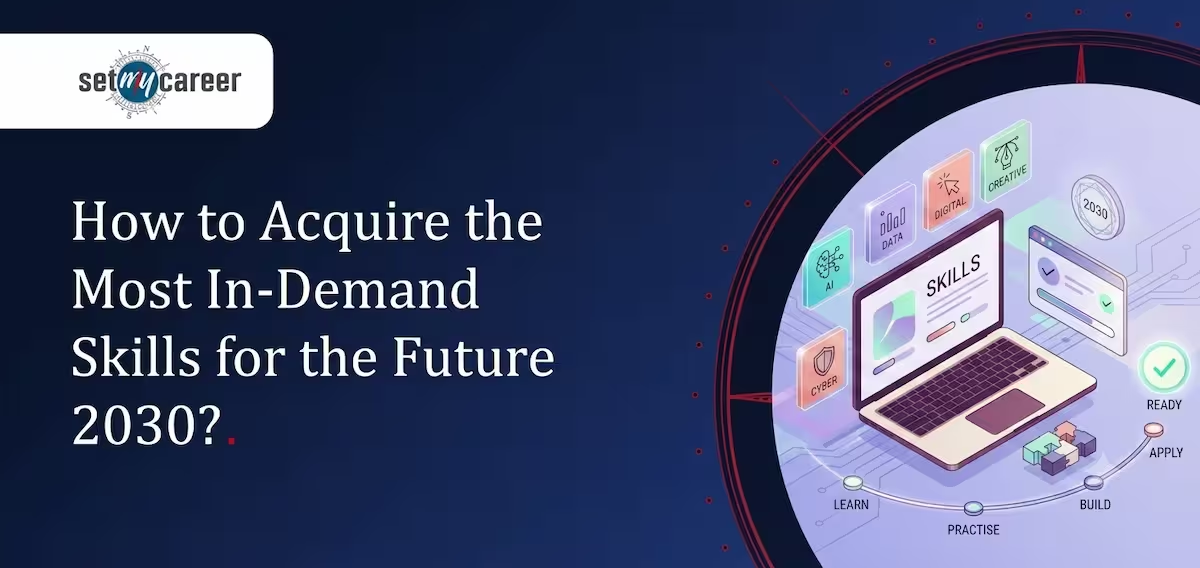
The future of work is closer than it seems. With the horizon of 2030 approaching fast, industries across the globe are undergoing rapid structural shifts. Advancing technologies, automated workflows, and changing economic demands are redefining what it takes to build a sustainable career. Whether you are entering the job market for the first time or planning your next professional move, long-term success hinges on mastering the capabilities that machines cannot easily replicate.
Preparing for tomorrow’s career opportunities requires a balanced blend of digital fluency and deeply human capabilities. While automation handles increasingly complex technical tasks, qualities like creative strategy, emotional awareness, and adaptability determine who excels. Let's look at the most critical, in-demand skills you need to cultivate to stay competitive and resilient in the 2030 workplace.
Essential Skills to Thrive in the Future Workplace by 2030
The modern workforce relies on a hybrid skill set. While specialized technical knowledge opens the door, human-centered capabilities dictate how far you progress. Employers are increasingly looking for professionals who can navigate ambiguity, collaborate across distributed teams, and quickly adopt new tools. Here is a detailed breakdown of the core competencies that will define the 2030 job market.
1. Technological Literacy, Artificial Intelligence, and Data Fluency
By 2030, basic digital literacy will be a baseline requirement across virtually every industry—from healthcare and education to finance and creative media. Understanding how to interact with emerging technologies allows you to automate routine tasks and focus your time on higher-level strategic decisions.
- Artificial Intelligence and Automation Mastery: Generative AI and automated systems are changing how everyday tasks get done. You do not need a degree in computer science, but understanding how to apply AI tools within your specific domain is essential. Learning how to prompt AI platforms effectively, evaluate machine outputs for accuracy, and integrate smart workflows into your daily routine makes you an invaluable asset to any team.
- Practical Data Analytics: Organizations generate massive amounts of raw data every second, but raw data is useless without interpretation. Professionals who can analyze data trends and translate those numbers into actionable business strategies hold a distinct advantage. Developing foundational skills in data visualization tools like Tableau, Power BI, or advanced Excel capabilities allows you to back up your recommendations with clear evidence.
2. Emotional Intelligence (EQ) and Interpersonal Leadership
As technical tasks become increasingly automated, the value of human connection rises proportionately. Employers actively seek individuals who can navigate complex interpersonal dynamics, manage conflict smoothly, and lead with empathy. High emotional intelligence remains one of the strongest predictors of long-term career growth and leadership potential.
- Self-Awareness: Recognizing your own emotional triggers, strengths, and cognitive biases allows you to respond thoughtfully under pressure rather than react impulsively. Self-aware professionals handle constructive feedback better and adapt faster to changing environments.
- Empathetic Communication: True empathy involves understanding different perspectives, working styles, and cultural backgrounds. In diverse, global, and remote teams, empathetic professionals build stronger trust and foster collaborative environments where everyone can contribute effectively.
- Constructive Conflict Resolution: Misunderstandings are natural when working across cross-functional teams. The ability to mediate disagreements calmly, focus on shared objectives, and reach mutually beneficial solutions positions you as a stabilizing presence in any organization.
3. Cognitive Flexibility, Adaptability, and Lifelong Learning
Static knowledge fades quickly in a fast-moving economy. The software platforms and operational frameworks popular today may be obsolete in a few years. Consequently, your capacity to unlearn outdated practices and pick up new skills is far more valuable than any single technical qualification.
- Embracing Operational Change: Workplace shifts—whether structural reorganizations, platform migrations, or changing business models—happen constantly. Approaching these changes with curiosity and flexibility rather than resistance demonstrates maturity and reliability.
- Proactive Upskilling: Taking personal responsibility for your professional growth keeps you ahead of industry trends. Dedicate time to earn industry-recognized certifications, attend specialized workshops, or complete self-paced courses on platforms like Coursera or edX to keep your knowledge relevant.
4. Advanced Critical Thinking and Creative Problem-Solving
Algorithms excel at analyzing linear, structured problems, but they struggle with ambiguity, nuance, and non-linear thinking. Professionals who can evaluate unstructured challenges, challenge assumptions, and design innovative solutions will remain in high demand across all sectors.
- Applied Creativity: Workplace creativity extends far beyond artistic design. It means identifying unconventional solutions to operational bottlenecks, refining business models, or designing fresh approaches to client engagement when conventional methods fall short.
- Rigor in Critical Thinking: Critical thinking involves questioning surface-level assumptions, evaluating source credibility, and recognizing logical fallacies. Analyzing complex situations systematically ensures that strategic decisions are based on sound evidence rather than emotion or habit.
5. Cross-Functional Communication and Active Listening
Clear communication bridges the gap between strong ideas and successful execution. Whether presenting a project proposal to stakeholders, drafting internal documentation, or leading a virtual meeting, articulating your thoughts concisely prevents costly misunderstandings.
- Persuasive Writing and Public Speaking: The ability to structure a compelling narrative—whether in a written report, a client pitch, or a team briefing—helps you align colleagues around shared goals and secure buy-in from leadership.
- Active Listening in Virtual Spaces: Effective communication requires hearing what others say without rushing to formulate an immediate response. Practicing active listening helps you catch subtle details, validate team contributions, and respond thoughtfully.
6. Mental Resilience, Stress Management, and Sustainable Performance
Demanding work environments require steady mental clarity and sustainable habits. Building personal resilience prevents chronic stress, protects your health, and enables consistent performance over the course of a long career.
- Focus and Attention Management: Constant digital notifications and competing priorities split your attention. Developing structured focus routines, minimizing digital distractions, and using mindfulness techniques help maintain deep concentration on high-priority tasks.
- Work-Life Integration: Long-term professional success requires clear boundaries between work demands and personal recovery. Establishing realistic working hours and protecting your personal time prevents burnout and maintains ongoing job satisfaction.
Conclusion: Building a Future-Proof Career Strategy
Preparing for the future workplace is an ongoing process of balancing technical proficiency with human-centered adaptability. By taking proactive steps to refine your digital literacy, deepen your emotional intelligence, and cultivate strong problem-solving capabilities, you build a versatile career foundation capable of adapting to technological shifts.
Navigating career transitions and skill building requires clarity and strategic direction. If you want structured support in identifying your core strengths and mapping out your professional growth, SetMyCareer provides personalized guidance every step of the way. Connect with our career advisors today to begin shaping your future with confidence.