
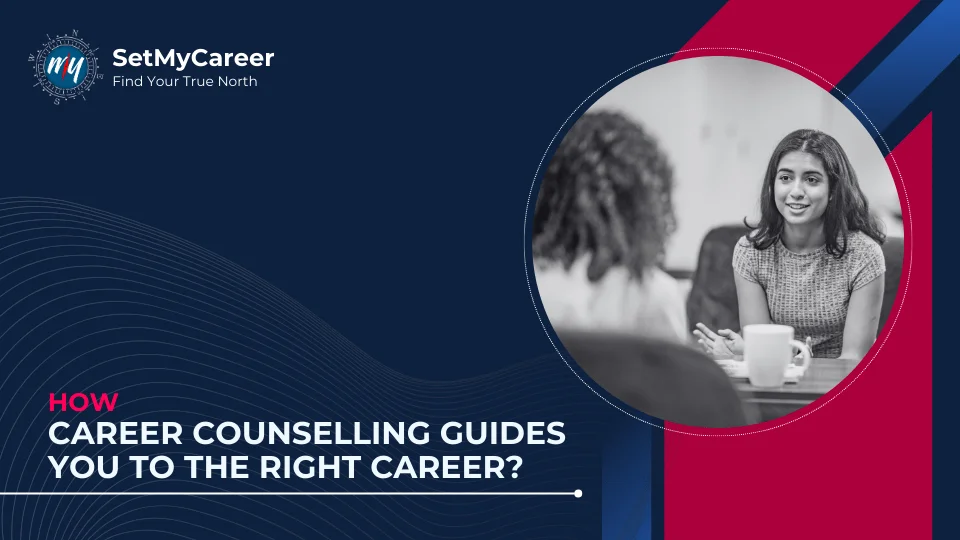
Are you staring at a crossroads in your professional life, unsure of which direction to take? Whether you are a recent graduate overwhelmed by degree options or an experienced professional feeling unfulfilled in your current role, career confusion is incredibly common. The modern job market is evolving at an unprecedented pace, creating a maze of opportunities that can feel paralyzing without a clear sense of direction.
This is exactly where professional career counseling becomes invaluable. Rather than prescribing a one-size-fits-all solution, an expert career counselor acts as a strategic partner, helping you align your natural talents, interests, and values with the right professional opportunities. But what exactly happens during this process? Let’s break down how career guidance works to help you find your ideal path.
Self-Discovery: The Foundation of Career Counseling
Before you can identify the right external opportunities, you need a deep understanding of your internal landscape. What tasks energize you? Where do your natural aptitudes lie? What core values must be present in your workplace for you to feel fulfilled? Often, our true strengths are obscured by external expectations or a simple lack of self-awareness.
A professional career counselor helps you look inward objectively. Through structured conversations and validated psychometric assessments, they guide you to uncover:
- Core Competencies and Strengths: Identifying the hard and soft skills that come naturally to you and where you hold a competitive advantage.
- Passions and Intrinsic Interests: Pinpointing the subjects and tasks that genuinely hold your attention and drive your curiosity.
- Non-Negotiable Values: Determining the cultural and ethical requirements you need from an employer to maintain long-term job satisfaction.
- Ideal Working Style: Understanding whether you thrive in highly collaborative environments, autonomous remote setups, or fast-paced corporate cultures.
Gaining this clarity is the critical first step in building a sustainable and rewarding career trajectory.
Navigating the Modern Job Market: Exploring Your Options
Armed with a comprehensive understanding of your strengths, the next step is mapping those traits to the realities of the current job market. The professional landscape is vast, and new roles are created every year—many of which you may never have considered or even known existed.
Your career guide bridges the gap between your personal profile and industry demands. They provide critical insights into:
- Emerging Industry Trends: Highlighting which sectors are experiencing rapid growth, which skills are in high demand, and where the market is heading both locally and globally.
- Alternative Career Trajectories: Introducing you to niche roles and lateral career moves that perfectly align with your unique skill set.
- Day-to-Day Realities: Moving beyond glamorous job titles to explain the actual daily responsibilities, required qualifications, and realistic growth potential of various roles.
This market intelligence empowers you to make informed, strategic decisions rather than relying on guesswork.
Strategic Career Planning: Turning Vision into Action
Self-awareness and market knowledge are essential, but they require a concrete execution strategy to yield results. How do you transition from identifying an ideal career to actually securing a role in that field?
Effective career guidance culminates in a tailored action plan. Your counselor will collaborate with you to:
- Narrow Down the Best Fit: Filter your options down to a select few high-potential career paths that offer the strongest alignment with your profile.
- Establish Milestones: Break down your ultimate career objective into manageable, achievable short-term and long-term goals.
- Create a Step-by-Step Roadmap: Detail exactly what needs to happen next—whether that involves pursuing a specific certification, networking with industry leaders, or revamping your resume and LinkedIn profile.
- Anticipate and Mitigate Roadblocks: Identify potential challenges in your transition and develop proactive strategies to overcome them, ensuring you stay resilient and focused.
This structured approach transforms abstract career aspirations into an actionable reality.
Common Myths and Misconceptions About Career Counseling
Despite its proven benefits, several misconceptions prevent people from seeking professional career guidance. Let’s clarify what the process actually entails:
- Myth 1: It is only for young students. The reality is that career counseling is highly effective for mid-career professionals seeking a pivot, individuals returning to the workforce after a hiatus, and anyone experiencing professional stagnation.
- Myth 2: It is just a quick personality test. While career assessment tests are valuable diagnostic tools, they are only the starting point. The true value lies in the counselor’s expert interpretation of those results and how they apply to your specific life context.
- Myth 3: The counselor will just tell me what job to take. A reputable counselor will never dictate your future. Their role is to facilitate discovery and provide strategic frameworks so that you can confidently make the final decision.
- Myth 4: It fixes everything permanently in one go. Career development is an ongoing journey. Good counseling equips you with the decision-making frameworks and self-advocacy skills needed to navigate future career transitions independently.
The Long-Term Impact of Finding the Right Career Path
Securing a job that aligns with your innate strengths and values goes far beyond achieving a desirable job title or a comfortable salary. It fundamentally enhances your overall quality of life.
- Increased Job Satisfaction: When your daily tasks align with your interests, work feels less like a burden and more like a fulfilling endeavor.
- Enhanced Performance and Growth: Natural aptitude combined with genuine interest inevitably leads to higher productivity, better performance reviews, and faster upward mobility.
- Reduced Burnout and Stress: Operating in an environment that respects your values and utilizes your strengths significantly lowers workplace anxiety and emotional exhaustion.
- Elevated Self-Confidence: Progressing in a career path you intentionally chose—and are excelling in—builds a profound sense of professional self-assurance.
- Sustainable Work-Life Integration: A career you enjoy makes it much easier to maintain healthy boundaries and enjoy your personal time without the shadow of professional dread.
Take the Next Step Toward Career Clarity
Navigating your professional future does not have to be an isolating or overwhelming experience. Finding the right career is a structured process of uncovering your core strengths, understanding market demands, and executing a targeted action plan. With the right expert guidance, you can transform career confusion into a focused, rewarding professional journey. If you are ready to stop guessing and start building a career that genuinely fits, connect with SetMyCareer today to speak with an experienced career coach and step into your future with absolute confidence.