





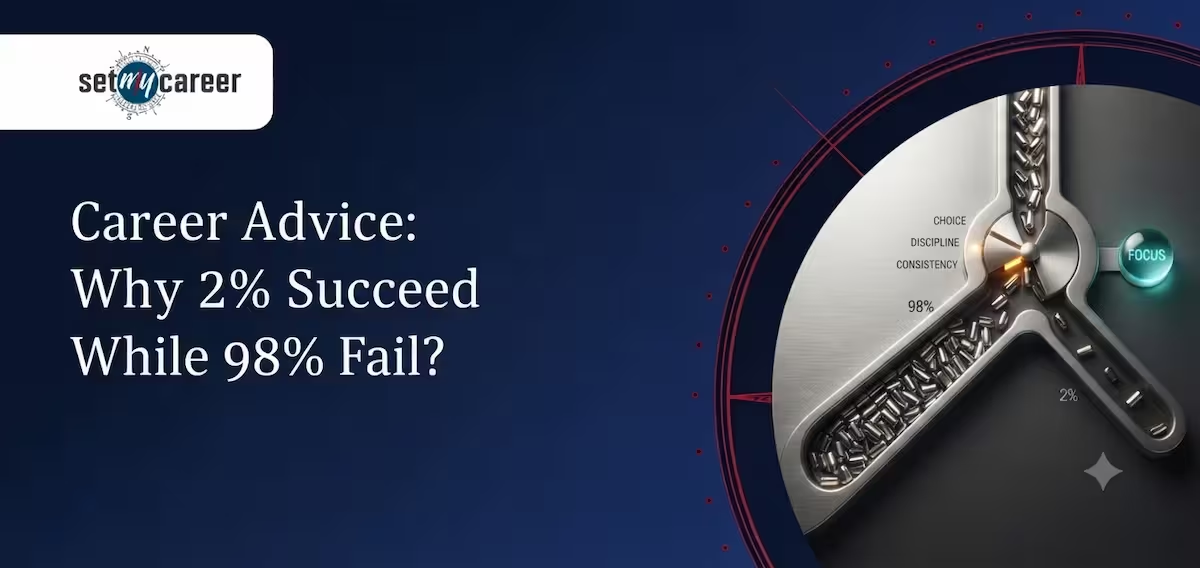
The workplace is undergoing a massive transformation. Driven by rapid technological advancements, shifting economic landscapes, and evolving industry standards, the rules for building a successful career are being completely rewritten. While the opportunities are vast, a harsh reality remains: a tiny fraction of professionals—roughly 2%—truly reach their highest potential, while the remaining 98% often find themselves stagnating or falling behind.
This stark divide isn’t purely based on raw talent, luck, or working unsustainable hours. The secret lies in deliberate preparation, continuous skill development, and the ability to navigate uncertainty. The individuals who thrive are those who proactively seek out the best career advice, recognize shifting trends, and take strategic steps to future-proof their livelihoods. If you want to stop simply surviving the daily grind and start building a meaningful, resilient career trajectory, it is time to examine exactly what separates high achievers from the rest of the pack.
Why Only 2% Succeed: Key Traits of High Achievers
Success in the modern job market requires more than just a strong resume. The top tier of professionals share a specific set of habits and mindsets that allow them to consistently turn challenges into stepping stones.
Adaptability is Non-Negotiable
The ability to pivot is arguably the most valuable professional trait of this decade. Success heavily depends on how quickly you can adapt to disruptive changes, whether that involves mastering a new software platform, adjusting to remote work dynamics, or entirely switching career paths as legacy industries fade. The 2% who excel view change not as a threat to their job security, but as a rare opportunity to capture new value and outpace their peers.
They Invest Heavily in Lifelong Learning
Top performers view their formal education as a starting line, not a finish line. They recognize that technical skills have a diminishing shelf life. To combat this, they consistently invest time and resources into upskilling—taking industry-specific courses, earning new certifications, and engaging in self-guided study. By staying perpetually curious, they ensure their skill sets remain highly attractive to top-tier employers.
They Build a Strategic and Authentic Network
While average professionals network only when they need a job, successful individuals view relationship-building as a continuous, long-term investment. They cultivate a diverse professional network that includes mentors, peers, and industry leaders. This approach to professional networking isn't about collecting business cards; it’s about exchanging valuable insights, offering support to others, and creating a community that naturally opens doors to unadvertised opportunities.
A Growth Mindset Drives Every Decision
Psychology plays a massive role in career longevity. Professionals with a growth mindset view intelligence and ability as traits that can be developed through dedication and hard work. When faced with a major setback, a rejected proposal, or a critical performance review, they don't internalize it as a permanent failure. Instead, this resilience allows them to extract the necessary lessons, adjust their approach, and return to the challenge much stronger.
Common Reasons Why 98% of Professionals Fall Behind
Understanding why so many careers stall is just as important as knowing what drives success. Avoiding these common professional traps is critical for long-term growth.
The Paralyzing Fear of Change
Human beings naturally crave security, leading many professionals to stubbornly cling to outdated processes and familiar roles. Even when writing is on the wall that a specific skill or industry is becoming obsolete, the fear of starting over keeps them anchored in place. This reluctance to step outside their comfort zone ultimately makes them highly vulnerable to layoffs and industry shifts.
Professional Stagnation and Complacency
A dangerous myth persists that earning a college degree is sufficient to carry a career for forty years. Many individuals secure a comfortable mid-level role, stop pushing for growth, and allow their skills to slowly atrophy. In a rapidly evolving market, standing still is the equivalent of moving backward. Complacency severely limits upward mobility and earning potential over time.
Ignoring the Importance of Soft Skills
Technical brilliance can only take you so far. Many highly intelligent professionals hit a hard ceiling in their careers because they dismiss the importance of leadership skills, emotional intelligence, and effective communication. If you cannot clearly articulate your ideas, collaborate seamlessly across departments, or manage workplace conflicts, companies will bypass you for leadership roles in favor of well-rounded candidates.
A Complete Lack of Strategic Planning
Without a defined target, it is incredibly easy to drift aimlessly from one job to the next. The vast majority of the workforce operates reactively, only looking for a new opportunity when they are unhappy or unemployed. In contrast, the top 2% understand the distinct advantages of proactive career planning. They know exactly what their next two career moves look like and are actively building the qualifications needed to get there.
Practical Career Advice to Thrive in the Next Decade
Because the global job market is shifting rapidly, relying on outdated career blueprints will no longer work. Understanding your unique strengths through professional vocational guidance can help you make highly informed decisions. To secure your place among the top performers, integrate these practical strategies into your daily routine:
Commit to Continuous Upskilling
Your professional toolkit requires constant maintenance. Dedicate a specific amount of time every quarter to mastering something entirely new. This could be a hard technical skill, a foreign language, or a soft skill like public speaking. The goal is to make yourself indispensable by constantly expanding the value you can offer an organization.
Focus Intentionally on Emotional Intelligence (EQ)
As artificial intelligence and automation handle more routine tasks, uniquely human skills are becoming the ultimate premium. High emotional intelligence—the ability to accurately read a room, manage your own stress responses, and empathize with colleagues—will set you apart. Prioritize active listening and empathy to build a reputation as a trusted, highly capable leader.
Develop a Recognizable Personal Brand
Your reputation precedes you. Take control of your professional narrative by building a strong online presence. Use platforms like LinkedIn to share industry insights, highlight successful projects, and engage in meaningful dialogue with other experts. A well-curated personal brand acts as a magnet, drawing recruiters, partners, and high-level opportunities directly to you.
Set Clear, Actionable Career Goals
Vague ambitions produce vague results. Define exactly what professional success looks like for your specific lifestyle and values. Break that vision down into actionable short-term milestones and long-term objectives. Schedule time every six months to brutally evaluate your progress and pivot your strategy if your current trajectory isn't yielding results.
Stay Aggressively Updated on Industry Trends
Never let your industry evolve without you. Subscribe to leading trade publications, listen to niche business podcasts, and attend relevant webinars. Understanding the macro-economic trends affecting your sector allows you to anticipate company needs and position yourself as a forward-thinking problem solver.
exit plan.
Conclusion
The next decade will inevitably bring unprecedented challenges to the workforce, but within that disruption lies incredible opportunity for those prepared to seize it. Reaching the top 2% of your field isn't an accident; it requires a deliberate commitment to lifelong learning, a resilient mindset, and the emotional intelligence to navigate complex professional environments. By actively managing your personal brand and staying adaptable, you can build a dynamic, deeply fulfilling career that withstands the test of time.
If you are ready to take control of your professional trajectory but aren't sure where to start, expert guidance can make all the difference. Connect with the specialists at SetMyCareer for personalized career counseling for students and professionals. Let us help you identify your unique strengths, define your goals, and build a strategic roadmap to achieve lasting success.